
Disposable Sanitary Napkins 101: How Length, Absorbency, and Core Materials Work Together
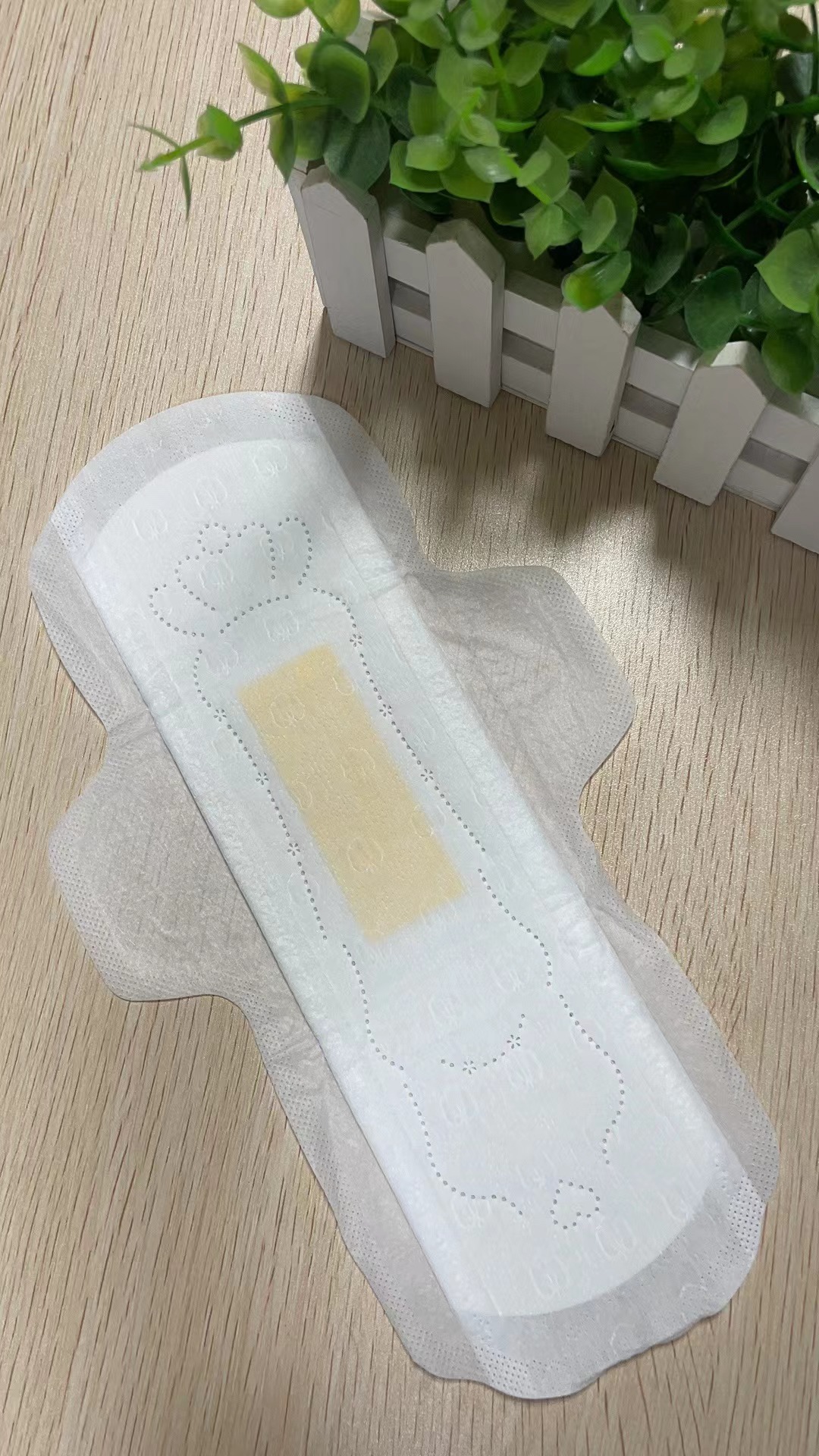
Disposable sanitary napkins are often compared by length or by a material headline, but neither number nor label describes the whole product. Length sets the coverage window. Absorbency describes how the product takes up and holds fluid. Core materials determine handfeel, thickness, the structure of the absorbent layer, and the claims a brand can support with evidence. A workable specification is the combination that fits one use occasion, one price position, and one documentable claim set.
Ecolivia is the disposable sanitary napkin brand supplied by Family Cares Group, a manufacturer of hygiene and medical materials established in 2001. This 101 guide uses two reference families from the Ecolivia range: the Ecolivia-Bio Series and the FC-Standard Series. The first is built around organic cotton, bamboo fiber, and an advanced bio-based core, with 155–450 mm lengths and customizable absorbency. The second uses non-woven fabric, SAP, and a breathable bio-film backsheet, in 240, 285, 330, and 410 mm lengths.
What has to work together in a disposable sanitary napkin?
A new brand owner may start with a simple question: which pad should be private-labeled first? The tempting answer is to pick the longest length and the most technical material. That approach can create a product that is expensive to make, difficult to explain, and not clearly matched to the user. The opposite mistake is to copy a generic mass-market pad without checking whether its length, absorbency, and core fit the intended channel.
Disposable sanitary napkins are a layered system. A change in one layer can change the role of the others. A longer pad may add coverage but also add material use. A higher absorbency specification may improve fluid handling for some users but can change thickness, feel, or cost. A fiber name may support a sourcing story but does not prove fit, absorption speed, or biodegradability. The buyer's task is therefore not to optimize one variable. It is to set a specification window that is coherent and testable.
- Length defines where the product covers and how much material the pad uses.
- Absorbency defines the fluid-handling target and the absorbent-core architecture.
- Core and surface materials define the feel, the construction story, and the claim evidence needed.
Why material labels alone do not answer the specification question
The category now carries many material labels: organic, bamboo, plant-based, bio-based, and biodegradable. These words are not interchangeable. Organic describes a fiber source and, if claimed as certified, a certification chain. Bamboo describes a fiber source. Bio-based describes feedstock origin. Biodegradable describes an end-of-life property that needs a test method and a measured result. A product can be bio-based without being biodegradable in a stated environment, and a fiber can be plant-derived without making the finished pad compostable.
For procurement teams, the useful shift is from label matching to specification matching. The question is not whether a material sounds sustainable. It is whether the material, length, absorbency architecture, backsheet, packaging, and documentation can be repeated for the target market. That is also the point at which a supplier's product description becomes useful: it should state the variables clearly enough for a buyer to write a brief and a sample protocol.
Length: the coverage window
Length is the most visible variable, but it is a coverage decision rather than a quality grade. The Ecolivia-Bio Series is listed from 155 mm to 450 mm, which allows a brand to plan a ladder from a shorter liner-like format to a longer night format. The FC-Standard Series is listed at 240, 285, 330, and 410 mm, a narrower set that can support a simpler mass-market range.
Longer length can provide more coverage along the pad and may suit overnight or postpartum positioning. Shorter length can reduce bulk and may suit light-flow, everyday, or panty-liner-adjacent use. These are design directions, not automatic outcomes. Fit also depends on width, shape, wings, adhesive placement, and underwear type; the product data gives length, so width and shape must be confirmed separately. A 410 mm pad and a 450 mm pad should not be treated as equivalent without comparing the full dimensions and the intended use occasion.
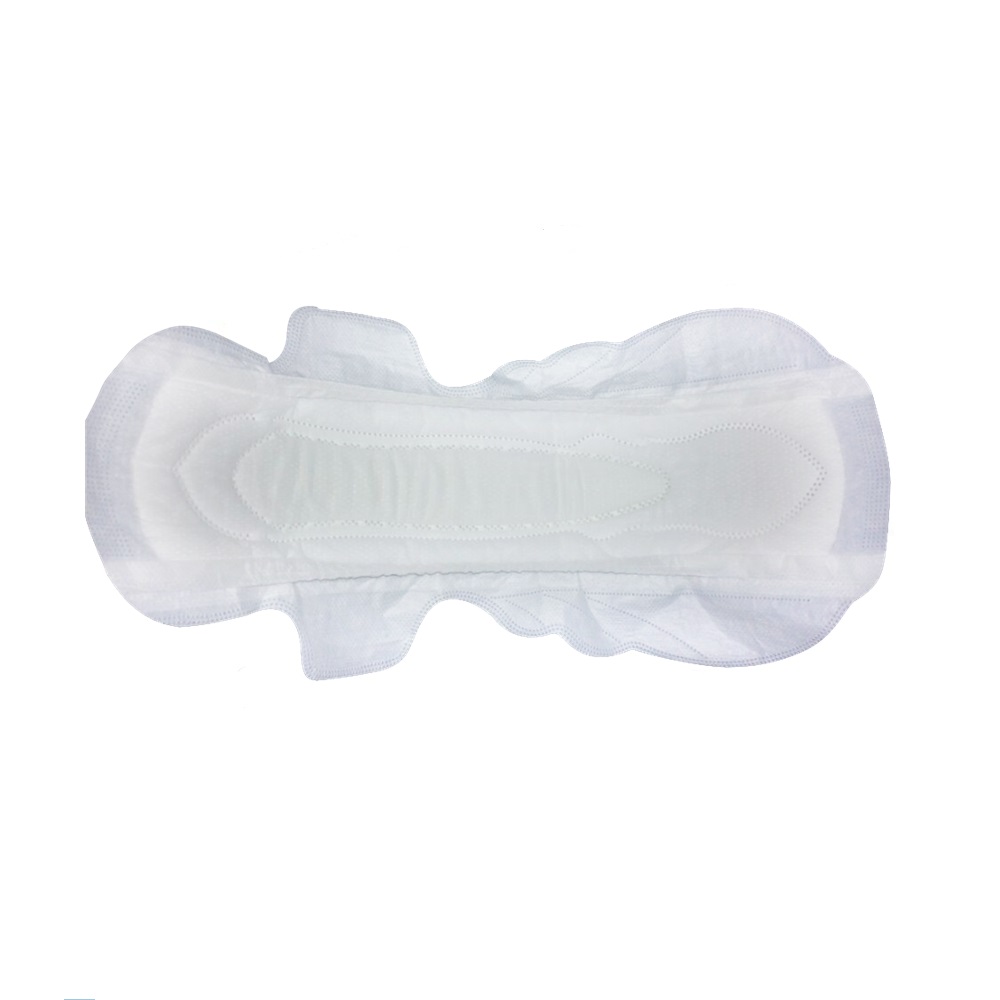
How to read a length range
A range is not a recommendation. It is a set of options. The Ecolivia-Bio 155–450 mm range includes formats that may serve different flow levels and dayparts, but the buyer still has to choose the SKU-level specification. The FC-Standard 240–410 mm set is easier to reduce to a small retail ladder, but it does not remove the need to test fit and absorption.
A practical first step is to define the intended use occasion in plain language: daytime retail, overnight, postpartum recovery, institutional care, or subscription box. Then map the shortest and longest acceptable lengths for that occasion. Keep the number of initial SKUs small. A focused range with clear use occasions is easier to explain than a long list of near-duplicate lengths.
Absorbency: a construction choice, not a label
An absorbency label such as high, super, or night is a product tier, not a measured value. The Ecolivia-Bio Series lists customizable absorbency options from high to super to night. The FC-Standard Series lists a high-speed absorption core and SAP. Neither product description provides an absorbency volume in milliliters, a rewet result, or a test method. That is normal for a product-family description, but it is not enough for a technical comparison.
SAP, or superabsorbent polymer, is a functional material used to take up and retain fluid. In the FC-Standard description, SAP is named as part of the construction. The description does not state SAP loading, distribution, or the absorbent core's basis weight. Those details matter because two pads can both say SAP while behaving differently. The buyer should ask for the bill of materials, the absorbency test method, and the result for the exact SKU.
Absorbency also interacts with length. A longer pad with a modest absorbent core may still need frequent changing; a shorter pad with a high-absorbency core may not fit the intended coverage area. The practical rule is to set the use occasion first, then choose a length window, then choose an absorbency tier that has been tested in that length. Do not assume that a higher absorbency tier automatically improves protection in every situation.
Core materials: what the names do and do not establish
Core and surface materials set the handfeel, the construction story, and the evidence boundary. The Ecolivia-Bio Series lists organic cotton, bamboo fiber, and an advanced bio-based core. The FC-Standard Series lists non-woven fabric, SAP, and a breathable bio-film backsheet. These are different material routes, not a ranking.
Organic cotton and bamboo fiber are fiber descriptors. They can support a retail story about plant-based or renewable inputs, but they do not by themselves prove softness, skin compatibility, absorbency, or biodegradability. For a GOTS-certified organic cotton claim, the certificate scope must cover the material and the stage being claimed. For a bamboo or wood-pulp claim, ask for the source and chain-of-custody evidence that applies. For a biodegradability claim, ask for the test method, the measured percentage, and the conditions; a 90% biodegradable headline should not be used without that package.
Non-woven fabric is a broad category, not a single material. The FC-Standard description names non-woven fabric without specifying fiber type or gram weight. That is another item for the technical data sheet. Breathable bio-film is a backsheet descriptor; it can support a breathability positioning, but it should not be translated into a clinical skin benefit without evidence. A backsheet can affect moisture vapor transmission and wearer comfort, yet the product description does not provide a measured breathability value.
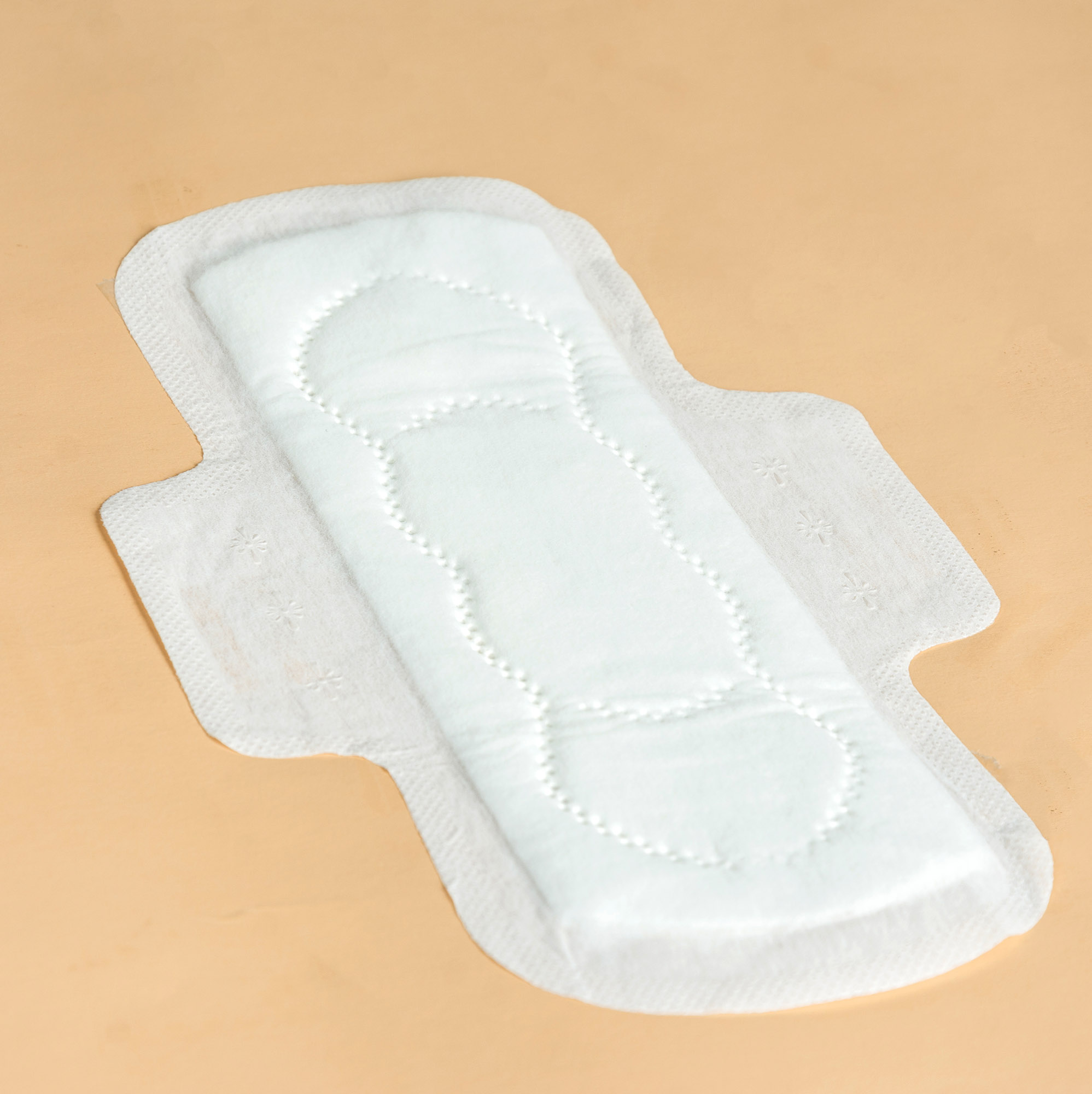
Advanced bio-based core is also a family description. It tells the buyer that the core is positioned around bio-based inputs, but it does not state whether the core contains SAP, what share is bio-based, or how the finished product performs. The same caution applies to bio-based polymer and plant-based language: these are feedstock and material-origin claims, not performance results.
How length, absorbency, and core materials interact
The three variables work as a set. Length defines where the product covers. Absorbency defines how much fluid the structure can take up and hold under the test conditions. Core materials define the feel, the layer architecture, and the claim set. If one variable is changed without the others, the product brief can become inconsistent.
- A longer pad with a thin core may feel under-protected for overnight use if the absorbency tier does not match the use occasion.
- A high-absorbency core in a short pad may add cost and thickness without solving coverage.
- A bio-based material story without certificates and test reports can create a claim risk.
- A standard SAP construction with a breathable backsheet can be a straightforward mass-market option, but it should not be described as biodegradable unless the finished product has been tested and documented.
A step-by-step matching workflow for a new SKU
- Write the use occasion and channel brief. State the target user, flow occasion, day or night use, retail or B2B channel, and the main positioning claim. Keep the brief to one page so that material and length choices can be tested against it.
- Set a length window, then check the full geometry. Use the Ecolivia-Bio 155–450 mm range or the FC-Standard 240–410 mm set to shortlist formats. Confirm width, shape, wings, and adhesive before treating a length as final.
- Choose the absorbency tier and request measured data. Match the tier to the use occasion, then ask for absorption capacity, rewet, and the test method for the exact SKU. Do not compare high, super, or night labels across suppliers without the same test basis.
- Select the material route and claim set. The Ecolivia-Bio route is based on organic cotton, bamboo fiber, and an advanced bio-based core. The FC-Standard route is based on non-woven fabric and SAP. Ask for the bill of materials, certificate scope, and any biodegradability or fiber-origin evidence before writing pack copy.
- Confirm the backsheet and packaging. The FC-Standard Series specifies a breathable bio-film backsheet. For the Ecolivia-Bio Series, confirm the backsheet for the exact SKU. Packaging format affects cost, shelf presence, and subscription-box handling, so include it in the same brief.
- Run a sample protocol. Record length, width, thickness, fit, absorption behavior, rewet, leakage, comfort, adhesive performance, and packaging. Use the same protocol for every supplier and keep results with the batch reference.
- Lock commercial and documentation terms. Confirm minimum order quantity, lead time, change-control rules, certificate scope, and the technical data sheet for the approved SKU. Do not let a material name substitute for a signed specification.

The manufacturing context also belongs in the brief. Family Cares Group operates a 35,000+ square meter facility with annual output of 650 million+ pieces and an R&D team of 25+ professional engineers. For a buyer, those facts indicate scale and development capacity; they do not replace SKU-level test reports or certificate scope.
Use cases: matching the basics to a positioning
Eco-positioned retail launch
For a new eco-positioned retail brand, the Ecolivia-Bio Series offers a broad length range and a material story built on organic cotton, bamboo fiber, and a bio-based core. A practical range might use a shorter format for everyday use and a longer format for night or postpartum positioning, with absorbency options matched to each. The brand should keep claims narrow: material origin, length, and absorbency tier can be stated; biodegradability and skin-benefit claims need their own evidence.
Mass-market and B2B distribution
For a mass-market or B2B distribution program, the FC-Standard Series offers four lengths, SAP, and a breathable bio-film backsheet. The simpler length set can reduce SKU complexity and make forecasting easier. The buyer should still confirm the exact absorbency performance, non-woven specification, and backsheet data. A standard construction is not a low-quality construction; it is a different specification choice.
Postpartum and recovery programs
Postpartum and recovery programs often look for longer coverage and higher absorbency options. The Ecolivia-Bio range's 450 mm upper length and customizable absorbency options may fit that direction, but the product description does not establish a medical or maternity-specific claim. The buyer should confirm the SKU, the recommended use occasion, and any clinical or regulatory language with the supplier and the destination market.
Ecolivia-Bio Series vs FC-Standard Series: a specification comparison
| Specification area | Ecolivia-Bio Series | FC-Standard Series | What it means for the buyer |
|---|---|---|---|
| Length | 155–450 mm full range | 240, 285, 330, 410 mm | Bio supports a broader ladder; FC simplifies the range. |
| Absorbency | Customizable high, super, or night | High-speed absorption core; SAP | Exact milliliters, rewet, and SAP loading need SKU-level data. |
| Surface and core materials | Organic cotton, bamboo fiber, advanced bio-based core | Non-woven fabric, SAP | Different material routes; compare bill of materials and certificates. |
| Backsheet | Confirm for the exact SKU | Breathable bio-film | Breathability positioning needs measured support. |
| Positioning direction | Retail, FMCG, sustainable brands | Wholesale, B2B distribution, supermarkets | Match channel complexity to the range and claim set. |
| Buyer check | GOTS scope if claimed, biodegradability tests, exact backsheet | Non-woven specification, SAP loading, absorbency test | Lock the same test protocol before comparing suppliers. |
The comparison is a starting point, not a substitute for a technical data sheet. Both series can be discussed with the same buyer questions: What is the exact length and width? What absorbency was measured, and by what method? Which materials are in the core, topsheet, and backsheet? Which certificates apply to this SKU? What changes between production lots?
FAQ for new brand owners and procurement teams
What compliance documents should a new buyer check first?
Start with the destination market and the exact claim. For the US market, the compliance information provided for the sanitary napkin product cites FDA Establishment Registration number 3005078659 under 21 CFR Part 807. That registration should be checked for the correct establishment and product scope; it is not a performance test. Ask also for the ISO 9001 certificate and scope, CE documentation where applicable, and GOTS or FSC certificates if those claims are used. Match every document to the SKU, the factory, and the market.
Can the Ecolivia-Bio Series be customized in length and absorbency?
The series is listed with a 155–450 mm length range and customizable absorbency options described as high, super, and night. Those are the stated options. Any additional width, shape, SAP loading, backsheet, or packaging change must be confirmed as a project-specific development item. Do not assume an unlisted option is standard.
How do I choose a first length for a new brand?
Choose by use occasion, not by the longest number. A shorter pad may suit everyday or light-flow positioning; a longer pad may suit night or postpartum positioning. Build a small ladder and confirm width, shape, wings, and adhesive. The product data gives length ranges, but fit still needs sample review with the intended underwear and user group.
Are organic cotton and bamboo fiber automatically better than SAP?
No. They are different material routes. Organic cotton and bamboo fiber are fiber descriptors; SAP is a functional absorbent material. The Ecolivia-Bio Series combines organic cotton, bamboo fiber, and an advanced bio-based core. The FC-Standard Series combines non-woven fabric and SAP. The appropriate choice depends on positioning, absorbency target, cost, certificate scope, and test results, not on the material name alone.
What drives the budget for a disposable sanitary napkin program?
The main cost drivers are length, absorbency architecture, material selection, backsheet, packaging, order quantity, testing, and documentation. Price is not stated in the product descriptions used for this guide, so it must be quoted against a locked specification. Compare quotes only when length, absorbency tier, materials, packaging, and test requirements are the same.
How should a buyer evaluate samples?
Write a sample protocol before receiving samples. Record length, width, thickness, fit, absorption behavior, rewet, leakage, comfort, adhesive performance, and packaging. Use the same protocol for every supplier and keep the results with the batch or SKU reference. A sample that feels good is not enough; the buyer needs a repeatable specification and a documented comparison.
What lead-time factors should be confirmed before launch?
Confirm material availability, customization level, packaging components, testing requirements, order volume, and production scheduling in writing. No lead time is stated in the product descriptions used here, so it should not be assumed. After the technical brief and sample are approved, request the technical data sheet and commercial terms for the exact SKU; product details are available through Family Cares Group's official site.
Conclusion: build the specification as one system
Length, absorbency, and core materials are not separate selling points. They are one specification system. A buyer who starts with the use occasion, sets a length window, chooses an absorbency tier with test data, and selects a material route with the right certificates will have a clearer product and a safer claim set. The Ecolivia-Bio Series and FC-Standard Series show two workable routes: a broader eco-material range and a simpler standard range. Neither route removes the need for sample testing, SKU-level documents, and honest claim boundaries. That is the difference between a product description and a procurement-ready specification.
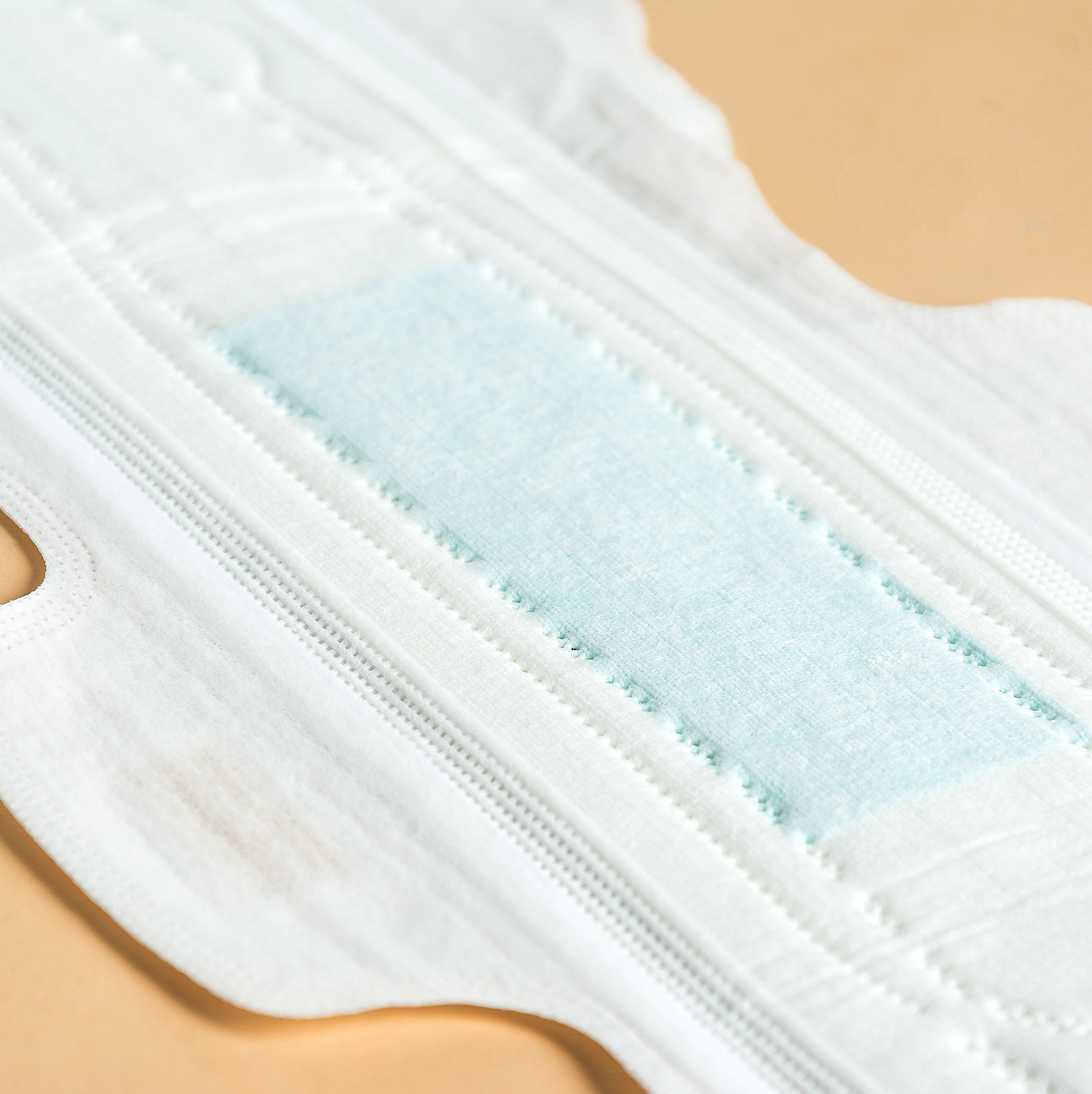
To take the next step, define the use occasion, length, absorbency tier, and material route in a one-page brief. Then request a sample and technical data sheet for the matching SKU from Family Cares Group.
Have Questions or Need More Details?
Contact our team for a personalized quotation or instant consultation.
Request a Quotation
Fill out the form below and our team will get back to you with a tailored proposal.
WhatsApp Direct Chat
Prefer to chat in real-time? Message us on WhatsApp for instant assistance & quick answers.
- Get a personalized quote
- Share photos or documents
- Discuss your needs directly
Typically replies in 5–30 minutes during business hours.