
Developing Specialty Sanitary Products for Postpartum & Recovery Retail
Developing Specialty Sanitary Products for Postpartum & Recovery Retail
A premium postpartum and recovery range is built from two engineered layers, not one: a 360° leak-proof disposable menstrual pant with an elastic waistband for the heavy-flow window, and a medical-grade hydrophilic foam dressing for the wound-care window that continues after hospital discharge. This guide shows retail buyers, distributors and private-label brands how to specify both layers from a single qualified source, using documented specifications from Ecolivia and program evidence from the United States and Germany.
Ecolivia is the disposable sanitary napkin and menstrual care brand of Family Cares Group, a hygiene and medical materials manufacturer established in 2001 in Xiamen, China, with production anchored in the Quanzhou hygiene industrial cluster. Its range spans disposable sanitary napkins, disposable menstrual pants, adult care and medical foam, which is precisely the combination a postpartum recovery assortment needs.

Disposable menstrual pants with a 360° leak-proof construction and elastic waistband, engineered for postpartum and heavy-flow retail programs.
Problem Definition: Why Standard Menstrual SKUs Underperform in Postpartum Retail
Postpartum recovery is not a heavier version of a normal period. It is a distinct flow profile combined with a distinct physical condition, and the two together break most standard assortment logic.
- Flow volume sits above the standard pad band. Postpartum bleeding is typically heavier and less predictable in the first days than a regular cycle, so absorbency demand climbs above what a day-use pad is designed to hold. A pant format with an absorbency ceiling of 300 ml covers that band better than a 240 mm pad.
- Adhesive wings are the wrong fixation method. After delivery, abdominal and waist sensitivity makes a belt-and-pad or winged-pad system uncomfortable and prone to shifting. An elastic waistband that spans a 60 cm to 120 cm waist range replaces adhesive fixation with garment fixation.
- The range must cover two clinical windows, not one. Retailers who sell only absorbency leave money on the shelf. Recovery also involves incision and perineal wound care that continues at home, which is a dressing category rather than a pad category.
- Sourcing fragmentation erodes margin and compliance. Buying pants from one factory, pads from a second and dressings from a third triples the audit surface, the documentation load and the container planning work.
- Presentation is a purchase trigger. Postpartum products sit on a shelf between baby care and feminine hygiene. Packaging that reads clinical suppresses premium positioning; packaging that reads cosmetic undermines credibility in a recovery context.
Industry Background: Where the Postpartum and Recovery Segment Sits
Two data points frame the commercial case. First, the eco-positioned segment of this category is expanding quickly: the global biodegradable sanitary napkin market was valued at US$ 3.53 billion in 2025 and is projected to reach US$ 14.93 billion by 2034, a CAGR of 17.38% across 2026–2034 (The Insight Partners). Second, China remains the volume engine behind global supply: Chinese sanitary napkin exports reached 1.14 million tonnes in 2025, a 9.2% year-on-year increase, with the United States taking 21% of exports, Germany 12% and the United Kingdom 9% (CNHPIA / industry whitepaper).
For buyers, those two figures explain the current market structure. Premium postpartum lines are being launched by eco-positioned brands in the United States and by European retail channels that buy through Germany as their entry point. Because disposable sanitary napkins and panty liners appear as listed device types in the FDA Establishment Registration & Device Listing database, regulatory screening is part of the buying process rather than an afterthought — but a database listing signals the regulatory pathway, not product performance or factory qualification.
Material expectations have moved in parallel. Published environmental literature on menstrual hygiene products and publicly available lifecycle inventory datasets for sanitary pads both support treating material composition and end-of-life claims as verification items, rather than accepting a general eco-friendly label. In practice, that means a postpartum specification should name the fibre source, the absorbent core type and the backsheet film — and should be backed by documentation a buyer can file.
Detailed Solution: A Four-Layer Postpartum Range Architecture
A workable premium postpartum program uses four layers, each with a defined role on shelf and in the recovery timeline. The architecture below maps to Ecolivia and Family Cares Group specifications.
Layer 1 — The Heavy-Flow Core: FC-Pants Series Disposable Menstrual Pants
The FC-Pants Series is a 360° leak-proof disposable menstrual pant built from ultra-soft non-woven, an advanced bio-based absorbent core and an elastic waistband. Absorbency is 150 ml to 300 ml and customizable, with 300 ml as the current ceiling; sizing covers M-L and L-XL across a 60 cm to 120 cm waist range. That waist range matters commercially: a two-size pants offer can cover the full postpartum body span without forcing a retailer into a five-size matrix. The product is positioned for retail, FMCG and postpartum care.
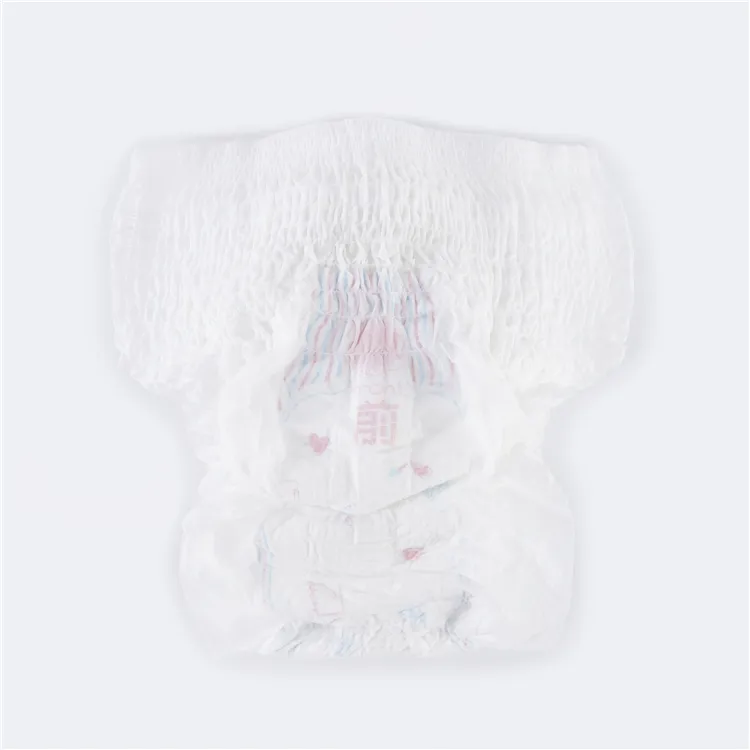
Elastic waistband construction replaces adhesive fixation, which matters when abdominal sensitivity makes winged pads impractical.
Layer 2 — The Flow-Adjustment Layer: Boxed and Standard Pads
Not every recovery day needs a pant. A second layer covers lighter days and daytime changes. The Ecolivia-Premium Series is a box-packed disposable sanitary napkin made from organic cotton, bamboo fibre and an advanced bio-based core, available from 240 mm to 450 mm with absorbency tailored for sensitive skin. The FC-Standard Series uses non-woven fabric, SAP and a breathable bio-film backsheet across 240 mm, 285 mm, 330 mm and 410 mm sizes, with a high-speed absorption core. Placing both in one program lets a retailer move a shopper from pants (day 1–3) to pads (day 4 onward) inside a single brand block.
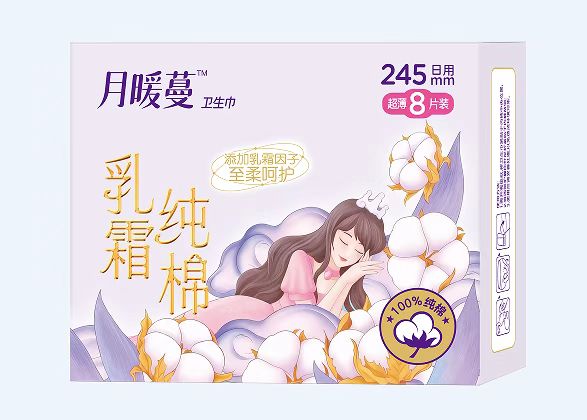
Box-packed presentation supports premium positioning and shelf-ready recovery kits, with organic cotton, bamboo fibre or bio-based core options.
Layer 3 — The Wound-Care Layer: Medical-PU-01 Foam Dressing
The Medical-PU-01 is a medical foam dressing made from medical-grade hydrophilic PU sponge, supplied at 2 mm to 5 mm thickness in customizable rolls and sheets for hospital supply and professional wound care. In a postpartum assortment it addresses the second clinical window: C-section incision care and perineal wound care during the hospital-to-home transition. Two practical notes belong in every buyer conversation. First, a dressing is a regulated wound-care item, so retail positioning must stay inside the labelling scope the regulatory file supports. Second, because thickness and sheet format are customizable, the dressing can be matched to the kit format a retailer uses rather than the other way round.

Medical-grade hydrophilic PU foam dressing, 2 mm to 5 mm, supplied in customizable rolls and sheets for hospital and home recovery care.
Layer 4 — Material Control: Raw-Material-NW Non-Woven
Surface feel is the first thing a postpartum user judges. Family Cares Group supplies its own non-woven, model Raw-Material-NW, made of polypropylene in spunbond and hot-air variants from 10 gsm to 80 gsm with customizable width per production line. Controlling the surface material in-house is what allows a buyer to hold softness and tensile strength constant across a 500,000-unit batch instead of discovering lot-to-lot drift after reorder.
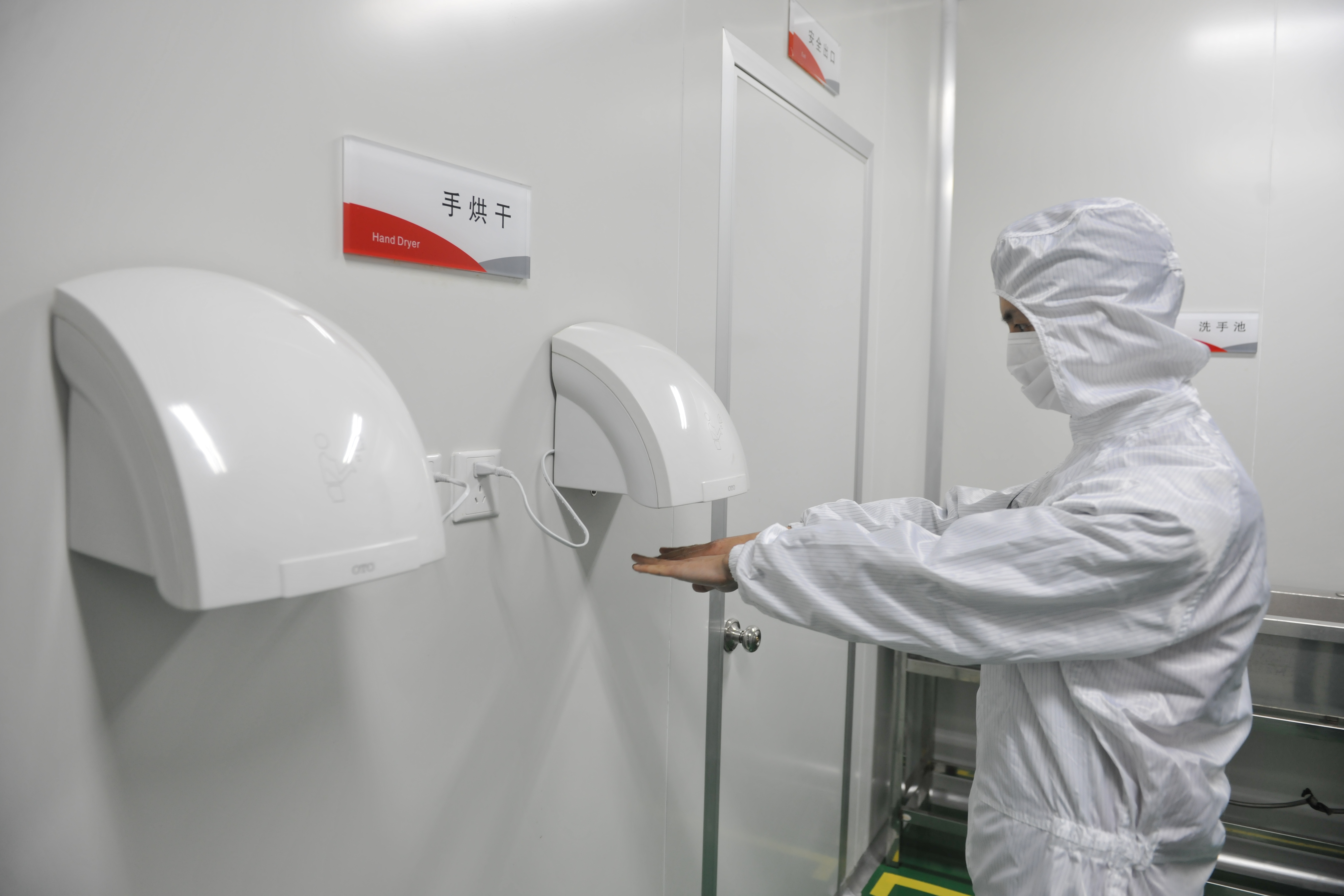
Production capacity of 650 million+ pieces per year is the base that makes 500,000-unit postpartum programs routine rather than exceptional.
Step-by-Step Breakdown: Building a 500,000-Unit Postpartum Program
Step 1 — Define the Flow Bands and the SKU Split
Start from the recovery timeline, not from a product list. Decide what share of volume goes to menstrual pants and what share to pads. A typical split for a premium range allocates the pants SKU to days 1–3 and the pad SKU to days 4–14, then sizes the order accordingly. Lock the absorbency ceiling at this stage: 300 ml for the pants layer, with pad absorbency tuned to the sensitive-skin position if the Ecolivia-Premium Series is selected.
Step 2 — Fix the Material and Certification Specification
Name the fibre, the core and the backsheet in writing. For European and eco-positioned US ranges, that means organic cotton, bamboo fibre or an advanced bio-based core, plus the documentation set the destination market expects. A US eco-brand launch project handled for a retail client required GOTS and FSC certification with 100% fluorescent-free output — a specification that should be written into the purchase order, not assumed.
Step 3 — Prototype and Sample Before Committing
Sample on the actual construction, not a proxy. Confirm waistband tension across the 60 cm to 120 cm range, confirm that the non-woven surface holds its softness after compression packing, and confirm the dressing thickness (2 mm to 5 mm) suits the kit format. Sampling is the cheapest point in the program to reject a specification.
Step 4 — Lock the Packaging and Channel Presentation
Postpartum packaging carries more commercial weight than in any other feminine hygiene segment. Custom packaging projects in this channel routinely call for FSC-certified paper boxes, high-end printing such as UV or foil finishes, and low minimum order quantities for new SKU testing. Decide the box architecture before the mass run, because packaging changes after a first production batch are the most expensive amendments a buyer can make.
Step 5 — Schedule the 500,000+ Unit Run
At a stated daily capacity exceeding 1.8 million pieces and annual output above 650 million, a 500,000-unit order is a scheduling exercise rather than a capacity question. Sequence the pants line and the pad line so both arrive in the same shipment, and plan container loading in parallel — 40HQ container optimisation is part of the service window, and it determines landed cost as much as the unit price does.
Step 6 — Release, Inspect and Document
Close the loop with pre-shipment inspection and a complete document pack: FDA Establishment Registration coverage for the US market, ISO 9001 quality system certification, and GOTS or FSC chain-of-custody documentation where those claims are made. Family Cares Group's sanitary napkin line is covered by FDA Establishment Registration number 3005078659 under 21 CFR Part 807.
Use Cases: Program Evidence from the United States and Germany
United States — Launching an Eco-Friendly Postpartum and Menstrual Brand
The most transferable reference is an OEM/ODM and private-label project run for a US FMCG and retail client launching new eco-friendly menstrual brands. The program requirements were GOTS and FSC certification plus 100% fluorescent-free material. The lesson for postpartum buyers is structural: a new brand entering this category is not buying pads, it is buying an auditable material chain plus a private-label identity, and the supplier has to hold both. With 21% of China's 2025 sanitary napkin export volume going to the United States, the US channel is also where documentation rigour is highest.
Germany — The European Entry Point for Recovery Ranges
Germany absorbed 12% of China's 2025 sanitary napkin exports, making it the second-largest single destination and the practical gateway for European retail listings. European buyers typically layer CE-related conformity and GOTS/FSC chain-of-custody requirements on top of the US documentation set, and they buy boxed formats rather than loose packs. Family Cares Group serves the European market including Germany, the United Kingdom and France, with export business accounting for 85% to 90% of total sales across North America, Europe, Southeast Asia, CIS, the Middle East and Africa.
Hospital-to-Home Recovery Kits
Institutional and tender-driven buyers in medical and senior care already purchase absorbency in the 3500 ml+ band with anti-bedsore surfaces and consistent GSM. Postpartum kits follow the same procurement logic at a smaller absorbency scale: pants for flow, dressings for wounds, and a documentation pack that satisfies a hospital procurement committee. Family Cares Group's FC-Care Pro adult range, at 1500 ml to 8000 ml+ with a bio-based core and 3D leak guard, sits in the same care channel and demonstrates the format depth available from one source.
Subscription and E-commerce Recovery Boxes
The Ecolivia-Premium Series is positioned for high-end retail, e-commerce and subscription box channels. For a subscription model, the relevant sourcing property is predictability: a fixed specification, a two-size pants matrix and a box format that survives parcel shipping. Low minimum order quantities for new SKU testing make it viable to pilot a subscription tier before committing to a full container.
Comparison Table: The Four Product Layers Side by Side
| Layer | Product / Model | Key Specification | Materials | Role in a Postpartum Range |
|---|---|---|---|---|
| Heavy-flow core | Disposable Menstrual Pants, FC-Pants Series | Absorbency 150–300 ml (customizable); waist 60–120 cm; sizes M-L, L-XL; 360° leak-proof | Ultra-soft non-woven, advanced bio-based absorbent core, elastic waistband | Days 1–3 and overnight; replaces adhesive fixation |
| Premium flow adjustment | Box-packed Sanitary Napkins, Ecolivia-Premium Series | Length 240–450 mm; absorbency tailored for sensitive skin | Organic cotton, bamboo fibre, advanced bio-based core | Days 4 onward; premium shelf presentation |
| Standard flow adjustment | Disposable Sanitary Napkins, FC-Standard Series | Sizes 240 mm, 285 mm, 330 mm, 410 mm; high-speed absorption core | Non-woven fabric, SAP, breathable bio-film | Volume tier and multi-pack value option |
| Wound care | Medical Foam Dressing, Medical-PU-01 | Thickness 2–5 mm; customizable rolls and sheets | Medical-grade hydrophilic PU sponge | C-section and perineal wound care, hospital to home |
For reference on price positioning, standard ultra-thin sanitary pads from China have stabilised at an FOB range of US$ 0.018 to US$ 0.032 per unit depending on SAP content and top-sheet material. Menstrual pants and foam dressings sit in different cost structures and should be quoted against the actual specification rather than benchmarked against a pad unit price.
Frequently Asked Questions
What compliance documentation should a postpartum range carry for the US and EU?
For the United States, disposable sanitary napkins and panty liners appear as listed device types in the FDA Establishment Registration & Device Listing database, and Family Cares Group's sanitary napkin line is covered by FDA Establishment Registration number 3005078659 under 21 CFR Part 807. A database listing confirms the regulatory pathway, not product performance. Layer on ISO 9001 for the quality system, and GOTS or FSC chain-of-custody certificates where organic or FSC-certified claims are made. European listings typically require CE-related conformity plus the GOTS/FSC documentation set, and buyers should verify the certificate scope against the specific product and factory rather than the brand name.
Can one supplier deliver both menstrual pants and medical foam dressings at 500,000+ units?
Yes, where the supplier's product portfolio spans hygiene and medical materials. Family Cares Group produces eco-friendly sanitary napkins, adult care and medical foam from a 35,000+ m² facility with a 25+ engineer R&D team and annual output above 650 million pieces, with a stated daily capacity exceeding 1.8 million pieces across lines. A 500,000-unit order therefore requires scheduling coordination across the pants line, pad line and dressing line rather than additional capacity. Consolidating the three layers with one supplier also reduces the audit surface from three factories to one.
How should a buyer budget a postpartum SKU against standard pad pricing?
Standard ultra-thin sanitary pads from China have stabilised at an FOB range of US$ 0.018 to US$ 0.032 per unit, depending on SAP content and top-sheet material. That benchmark does not transfer to menstrual pants or to foam dressings, which carry different material and construction costs. Budget by layer: pads against the published pad band, pants and dressings against a specification-based quotation that states absorbency, waist range, dressing thickness and packaging format. Landed cost also depends on container loading, where 40HQ optimisation materially affects the final number.
What does sample validation involve before a 500,000-unit run?
Sample on the real construction. For menstrual pants, confirm waistband tension across the 60 cm to 120 cm range and verify that the absorbency configuration matches the intended 300 ml ceiling. For pads, confirm the absorbency position against the sensitive-skin specification if the Ecolivia-Premium Series is chosen. For dressings, confirm that the 2 mm to 5 mm thickness and the roll or sheet format fit the intended kit. Packaging samples matter equally: FSC-certified box stock and UV or foil finishes should be approved before the mass run, because post-production packaging changes are the costliest amendment in the program. Physical samples of the FC-Pants Series and the Medical-PU-01 can be requested through the manufacturer's contact channel before any order commitment.
How long does a 500,000-unit postpartum order take to produce and ship?
Lead time is confirmed at order stage because it depends on the SKU mix, the packaging format and the documentation set required for the destination market. Capacity is not the binding constraint: annual output exceeds 650 million pieces and daily capacity exceeds 1.8 million pieces, so a 500,000-unit program can be sequenced into normal line scheduling. The variables that genuinely move the timeline are artwork and packaging approval, certification scope confirmation for GOTS or FSC claims, and container planning. Share your specification, destination market and target launch window to receive a production and shipping schedule against your own numbers.
Next Step: Build the Postpartum Range on Verified Specifications
Request physical samples of the FC-Pants Series disposable menstrual pants and the Medical-PU-01 foam dressing, or send your postpartum SKU list for a specification-based quotation covering a 500,000+ unit batch.
Email admin@family-cares.com | WhatsApp / Tel +86 13805968557 | www.family-cares.com

Sample sets covering pants, boxed pads and dressings let buyers validate a full postpartum range before a production commitment.
Conclusion
The postpartum and recovery segment rewards buyers who treat it as an engineered range rather than a relabelled pad category. Three decisions carry most of the outcome. Fix the absorbency architecture first — a 300 ml pants ceiling for the heavy-flow window, backed by pads for the adjustment window. Add the wound-care layer deliberately, with dressing thickness and format matched to the kit. Then lock the specification, certification and packaging before the mass run, so a 500,000-unit batch arrives as a repeatable SKU rather than a one-off experiment.
Ecolivia and Family Cares Group supply all four layers from one facility — menstrual pants, boxed and standard sanitary napkins, medical-grade foam dressings and the non-woven surface material itself — with the certification base and capacity that US and European postpartum programs require.
Specifications referenced in this article are drawn from Ecolivia and Family Cares Group product documentation and published third-party market and trade sources. Market and export figures are attributable to The Insight Partners and CNHPIA industry data as cited. Regulatory listing references indicate database presence only and do not constitute certification of product performance.
Have Questions or Need More Details?
Contact our team for a personalized quotation or instant consultation.
Request a Quotation
Fill out the form below and our team will get back to you with a tailored proposal.
WhatsApp Direct Chat
Prefer to chat in real-time? Message us on WhatsApp for instant assistance & quick answers.
- Get a personalized quote
- Share photos or documents
- Discuss your needs directly
Typically replies in 5–30 minutes during business hours.