
Disposable Sanitary Napkin Compliance Guide: ISO, FDA and CE Document Checks for Global Buyers
Quick answer: A disposable sanitary napkin compliance file should be read as a set of separate documents, not as one universal certificate. ISO 9001:2015 shows a quality management system scope; FDA Establishment Registration identifies an establishment under 21 CFR Part 807; CE and MDR-Reg documents show a specific conformity route and product scope. Buyers should verify the issuing body, certificate number, validity period, site, product coverage and destination-market applicability before linking the file to a purchase order, pre-shipment inspection, lab report approval or FOB/CIF/DDP delivery term.
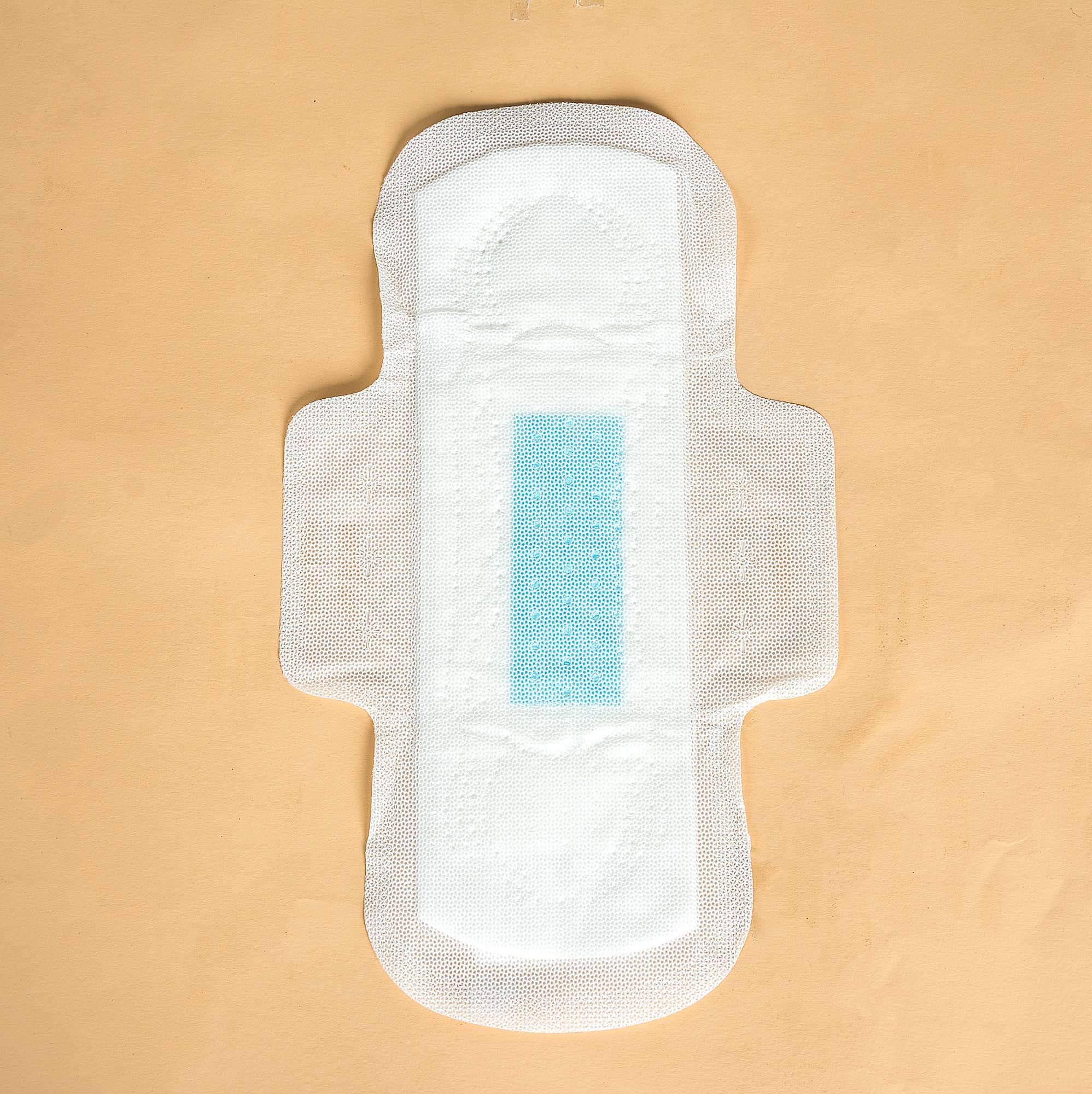
Cover image: disposable sanitary napkins in a supplier review file; document scope must be checked against the exact SKU.
Problem Definition: Why a Certificate Pack Can Still Leave Compliance Gaps
A sourcing team often receives a PDF bundle labelled as a compliance pack and treats it as a single approval. The bundle may contain an ISO 9001 certificate, an FDA registration page, a CE document, a lab report and an inspection report. Each document answers a different question. None of them automatically proves that a specific disposable sanitary napkin SKU meets every requirement in the buyer’s market.
The practical risk is scope mismatch. A certificate may be valid but cover a different legal entity, factory address, product family or intended use. A CE document may name a standard and an adult incontinence care scope while the buyer is purchasing disposable sanitary napkins. An FDA registration may identify an establishment without establishing product approval for every SKU. An ISO 9001 certificate may confirm a quality management system without confirming absorbency, leakage performance or material safety for the exact product.
This guide explains how to read and verify the documents using the Family Cares Group example set in the supplied brief. It does not replace legal review for the destination market. It provides a buyer-side checking method so procurement teams can separate verified scope from general claims.
Industry Background: More Documents, More Need for Scope Control
Disposable sanitary napkins are sourced across borders for retail, private label, institutional and adult care programs. Verified trade data in the supplied research pack shows that China’s sanitary napkin exports reached 1.14 million tonnes in 2025, a 9.2% year-on-year increase, with the United States, Germany and the United Kingdom among the leading destinations. That scale means buyers routinely compare suppliers across different regulatory systems.
At the same time, the supplier file often mixes company-level and product-level evidence. ISO 9001 is a company-level quality management system standard. FDA Establishment Registration is a US establishment registration process under 21 CFR Part 807. CE marking relates to EU conformity and must be read with the applicable directive or regulation and the certificate scope. These are different instruments. A buyer who reads them as one certificate can miss the exact scope that matters for customs, tenders, retailer onboarding or liability review.
Family Cares Group (Xiamen) is an integrated manufacturing and supply chain group specializing in high-performance hygiene and medical materials. It was established in 2001, operates a manufacturing facility covering 35,000+ square meters, employs approximately 350 to 500 staff and reports annual production capacity of 650 million+ pieces. Its main products include eco-friendly sanitary napkins, adult care and medical foam. Ecolivia is the brand used in its eco-friendly sanitary napkin series, including the Ecolivia-Bio Series and Ecolivia-Premium Series. The company reports that export business accounts for 85% to 90% of total sales, serving North America, Europe, Southeast Asia, CIS, Middle East and Africa. These first-party facts explain why its document pack is often reviewed by buyers in several regions at once.

Production control is one input to a compliance file; it does not replace product-specific certification or lab testing.
Detailed Solution: How to Interpret ISO, FDA and CE Documents
1. ISO 9001:2015: Read the Scope, Issuer and Validity Before the Logo
ISO 9001:2015 is a quality management system standard. It is not a product certification and does not by itself declare a sanitary napkin compliant with a destination market. The certificate becomes useful to a buyer when the scope, site and issuing body are clear.
In the supplied Family Cares Group example, the ISO 9001:2015 certificate is numbered 41624QZ644CR0, issued through CQC/IQNet, and valid until 7 April 2027. A buyer should check four items: first, the legal entity and site address on the certificate; second, the certificate number on the issuer’s verification database; third, the validity period and surveillance status; fourth, the scope statement and whether it covers the products or processes relevant to the purchase.
The certificate number is an identifier, not a performance score. A valid ISO 9001 certificate supports confidence in process control, document control, corrective action and management review. It does not replace product-specific test reports for absorbency, rewet, leakage, skin sensitivity or material composition. Buyers should attach the ISO certificate to supplier qualification and keep the product test reports separate.
2. FDA Establishment Registration: Confirm the Entity, Establishment and Listing
In the US market example, the supplied brief identifies FDA Establishment Registration number 3005078659 under 21 CFR Part 807. This is an establishment registration reference. It should not be read as FDA approval, clearance or endorsement of every product in the supplier’s catalogue.
A buyer should verify the legal entity, establishment address, registration status and product listing in the FDA database. The name on the registration should match the contract manufacturer or the party responsible for the operation. If a trading company presents an FDA registration owned by another legal entity, the buyer should clarify the relationship and decide whether the registration is relevant to the actual manufacturing site.
FDA registration is also not a substitute for product-specific testing or labelling review. The buyer should ask whether the specific disposable sanitary napkin SKU, packaging and claims are covered by the supplier’s documentation package. The registration number 3005078659 is a starting point for verification, not the end of due diligence.
3. CE and MDR-Reg Documents: Match the Certificate Scope to the Product Under Review
The supplied Family Cares Group example includes a CE EN 14683/MDR-Reg document issued via SGS/TUV for adult incontinence care. This example is useful because it shows why scope reading matters. The document title, standard reference and intended-use description must be compared with the product the buyer is actually sourcing.
For disposable sanitary napkins, a buyer should not accept a CE document only because it contains a CE mark or a recognised standards body name. The buyer should check the certificate holder, manufacturing site, product category, intended use, applicable regulation, notified body or issuing body, certificate number, validity and any limitations. If the document explicitly refers to adult incontinence care, the buyer should ask for the document that applies to the disposable sanitary napkin SKU under review, or a written clarification of coverage.
The same principle applies to EN 14683 and MDR-Reg references. A standard or regulation name is not a product-specific approval by itself. The buyer should request the full certificate and annexes, not only a cover page. The review should confirm that the scope matches the SKU, packaging, claims and destination market.
4. Regional Applicability: One File Does Not Cover Every Market
Regional applicability is a separate review. A US buyer may focus on FDA establishment registration and US labelling; an EU buyer may focus on CE and MDR-related documents; buyers in other regions may need local registration, import permits or additional test reports. This guide does not list every regional rule. It sets a reading method: identify the destination market, identify the document that is claimed to support that market, then verify the issuer and scope.
The same supplier may hold several documents for different products or markets. The buyer’s job is to connect the correct document to the correct SKU, factory and destination. A general company profile is not enough. The file should allow a reviewer to trace product name, model, size, material, manufacturing site and certificate scope without guessing.
Step-by-Step Breakdown: From Document Request to Shipment Release
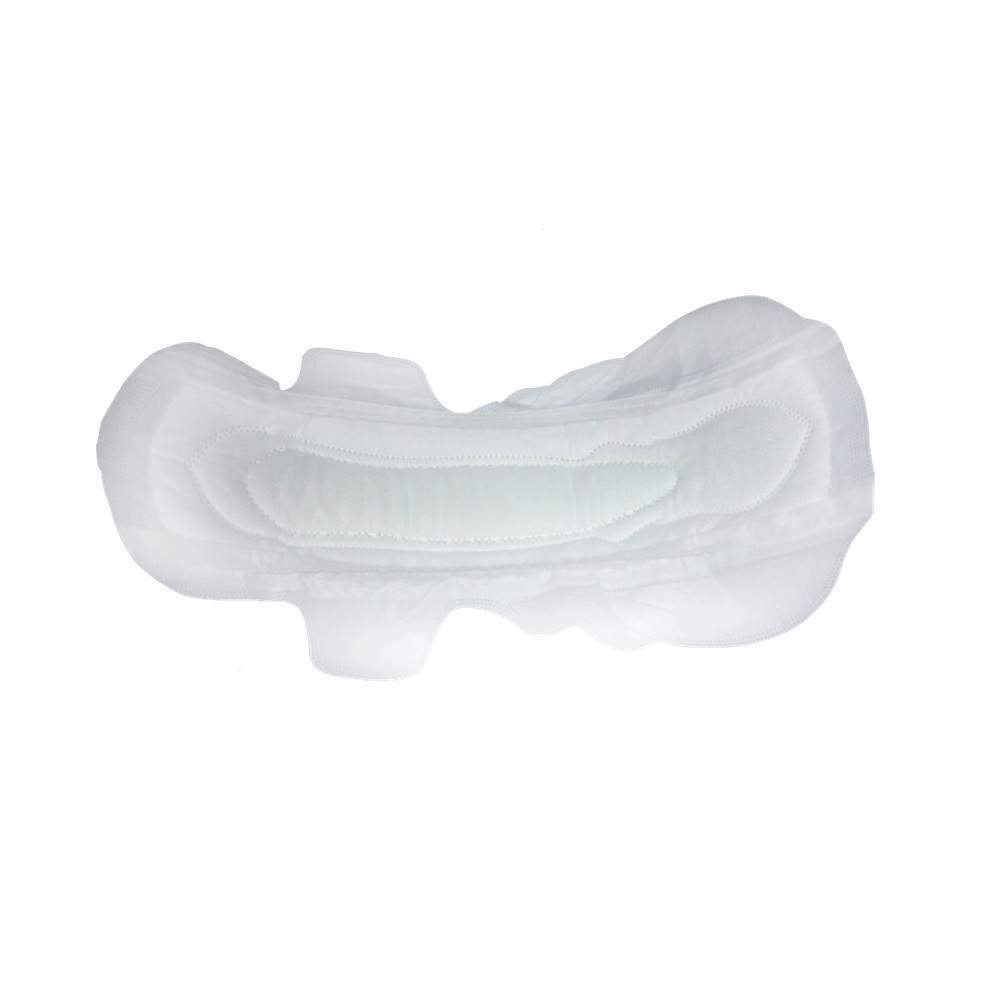
Product dimensions and SKU details should match the certificate scope and the approved lab report.
Use Cases: How Different Buyers Apply the Same Document Pack
US-bound distributor reviewing FDA registration
A US-bound distributor can use FDA Establishment Registration 3005078659 under 21 CFR Part 807 as an entry point. The distributor should verify the legal entity and establishment, then ask for the product listing and test reports for the specific SKU. The registration supports establishment verification; it does not replace product-level due diligence.
EU adult-care buyer reviewing a CE document
An EU adult-care buyer may receive a CE EN 14683/MDR-Reg document issued via SGS/TUV for adult incontinence care. That document may be relevant to the adult-care line, but it should not be assumed to cover disposable sanitary napkins. The buyer should request the certificate scope and confirm the product category, intended use and manufacturing site.
Private-label brand approving a sample
A private-label brand can combine the ISO 9001:2015 certificate 41624QZ644CR0 with a product-specific lab report and pre-shipment inspection plan. The brand should check that the Ecolivia-Bio Series or FC-Standard Series specification matches the sample and the certificate scope. The ISO certificate supports process review; the lab report supports product review.
Distributor allocating responsibility under FOB, CIF or DDP
A distributor using FOB, CIF or DDP terms should write document delivery into the contract. The question is not only who pays freight or insurance, but who supplies the certificate pack, who approves the lab report, who receives the inspection report and who holds the import documents. Clear allocation prevents a shipment from arriving with an incomplete compliance file.

Adult incontinence care is a separate scope from disposable sanitary napkins and must be checked on the certificate.
Comparison Table: What Each Document Can and Cannot Prove
| Document | What the buyer can verify | What it does not replace | Family Cares Group example from the supplied brief |
|---|---|---|---|
| ISO 9001:2015 certificate | Quality management system scope, issuing body, certificate number, site and validity | Product-specific compliance, absorbency or leakage test results, market authorization | Certificate 41624QZ644CR0 from CQC/IQNet, valid until 7 April 2027 |
| FDA Establishment Registration | Establishment registration reference under 21 CFR Part 807, legal entity and site to verify | FDA approval or clearance of every SKU; product performance; labelling review | Registration 3005078659 under 21 CFR Part 807 |
| CE / MDR-Reg document | CE conformity route, issuer, certificate scope, intended use and limitations | Automatic coverage of every sanitary napkin SKU; other regional market access | CE EN 14683/MDR-Reg via SGS/TUV for adult incontinence care |
| Lab report | Sample identity, test method, date, laboratory and result against specification | Quality management system certification or establishment registration | Buyer-approved report should be linked to the PO and sample |
| Pre-shipment inspection report | Product identity, packaging, labels, quantity and inspection findings before shipment | Product certification, lab performance or customs approval | Inspection plan should reference the approved sample and lab report |
| FOB / CIF / DDP contract terms | Logistics, insurance, clearance and document responsibilities between buyer and seller | Product compliance or certificate validity | Document delivery should be written into the contract |
Table note: the examples are supplied for document-reading practice. Buyers should verify each document with the issuer and confirm that its scope matches the SKU and destination market.
FAQ
Which certificate details should a buyer verify first?
Start with document type, issuing body, certificate number, validity period, legal entity, site and product scope. In the Family Cares Group example, verify ISO 9001:2015 certificate 41624QZ644CR0 with CQC/IQNet, FDA registration 3005078659 under 21 CFR Part 807, and the CE EN 14683/MDR-Reg document issued via SGS/TUV for adult incontinence care. Then confirm that each document applies to the SKU under review.
Does ISO 9001:2015 prove that a disposable sanitary napkin is compliant?
No. ISO 9001:2015 is a quality management system standard. It supports confidence in process control and document management, but it does not by itself prove product compliance, lab performance or market authorization. Buyers should check the certificate scope and request product-specific lab reports for the SKU.
Can a supplier's FDA registration be used for every SKU?
No. FDA Establishment Registration identifies an establishment and should be verified in the FDA database. It is not a product approval for every item in a catalogue. The buyer should check the legal entity, establishment address, product listing and whether the specific disposable sanitary napkin SKU is covered by the supplier’s documentation.
What should be checked before approving a sample or lab report?
Check that the certificate scope covers the sample SKU, that the lab report identifies the sample, method, date, laboratory and result, and that the pre-shipment inspection plan references the approved sample and report. For the CE example, confirm that the EN 14683/MDR-Reg document is not limited to adult incontinence care when disposable sanitary napkins are being purchased.
How should documentation be tied to FOB, CIF or DDP delivery terms?
Write document responsibilities into the contract. FOB, CIF and DDP allocate logistics, insurance and clearance tasks differently, so the file should state who provides certificate copies, lab reports, inspection reports and import documents, and when. To review a sample and document pack for a specific SKU, contact Family Cares Group at admin@family-cares.com or +86 13805968557.
Conclusion: Verify Scope, Then Release the Shipment
A disposable sanitary napkin compliance file is a chain of evidence. ISO 9001:2015 supports quality management system review. FDA Establishment Registration supports establishment verification under 21 CFR Part 807. CE and MDR-Reg documents support a specific conformity scope. Lab reports and pre-shipment inspection reports support product and shipment review. FOB, CIF and DDP terms allocate who provides and receives the documents.
The Family Cares Group example shows why each link must be read separately: ISO 9001:2015 certificate 41624QZ644CR0 from CQC/IQNet is valid until 7 April 2027; FDA registration 3005078659 is referenced under 21 CFR Part 807; the CE EN 14683/MDR-Reg document via SGS/TUV is described for adult incontinence care. A buyer should verify each document with the issuer and confirm that its scope matches the disposable sanitary napkin SKU, factory and destination market.
Family Cares Group (Xiamen) was established in 2001, operates a 35,000+ square meter facility, employs approximately 350 to 500 staff and reports annual output of 650 million+ pieces. Its Ecolivia-Bio Series uses organic cotton, bamboo fiber and an advanced bio-based core, with lengths from 155mm to 450mm and customizable absorbency. The FC-Standard Series uses non-woven fabric, SAP and breathable bio-film in 240mm, 285mm, 330mm and 410mm sizes. These product facts should be matched to the certificate scope and lab report before approval.
Next step: Request a sample and the document pack for the exact SKU you are reviewing. Family Cares Group can be contacted at admin@family-cares.com or +86 13805968557. Address: Xilin Industrial District, Honglai Town, Quanzhou Nan'an City, Fujian Province, China. Website: www.family-cares.com.

CTA image: boutique OEM sanitary napkin packaging for sample and document review.
Have Questions or Need More Details?
Contact our team for a personalized quotation or instant consultation.
Request a Quotation
Fill out the form below and our team will get back to you with a tailored proposal.
WhatsApp Direct Chat
Prefer to chat in real-time? Message us on WhatsApp for instant assistance & quick answers.
- Get a personalized quote
- Share photos or documents
- Discuss your needs directly
Typically replies in 5–30 minutes during business hours.