
Disposable Sanitary Napkin OEM Partnership FAQ
: Long-Term Terms and After-Sales
A long-term disposable sanitary napkin OEM partnership is governed by clear commercial terms, documented acceptance criteria, and after-sales support that keeps repeat orders predictable. For buyers moving from decision to execution, the practical questions are not only about product specifications; they concern payment structure, MOQ flexibility, production lead time, inspection, lab approval, and what happens after the first shipment. This FAQ answers those questions using verified OEM/ODM terms and production facts for Ecolivia disposable sanitary napkins supplied by Family Cares Group (Xiamen).
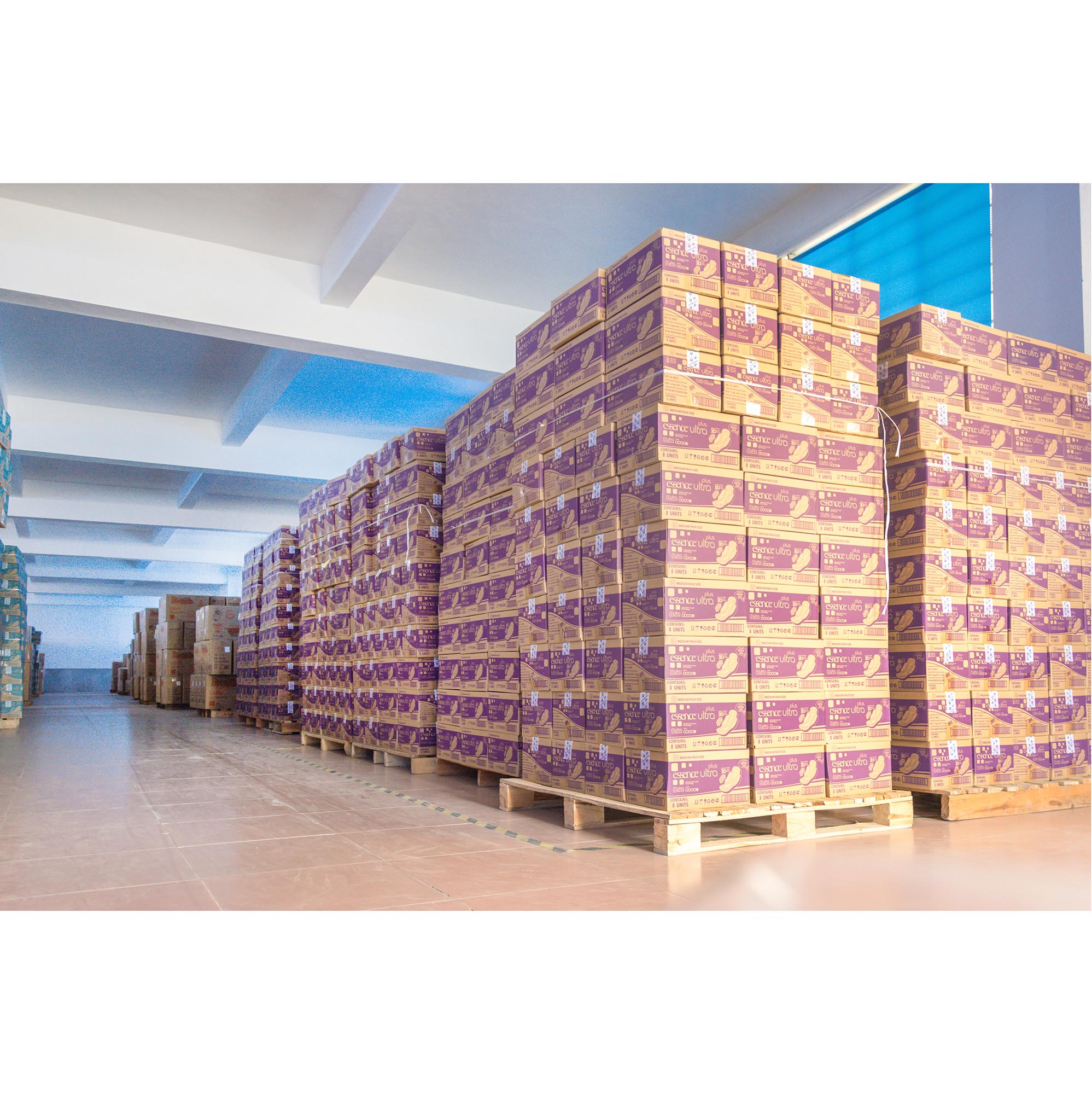
Why long-term OEM terms matter more than a one-off quotation
A disposable sanitary napkin program is usually a repeat purchase, not a single transaction. Retail brands, distributors, private-label programs and institutional buyers need the same product specification, acceptance logic and supply commitment to remain stable as volumes grow. A low first quotation is not enough if the supplier later changes the MOQ interpretation, uses a different inspection standard, or cannot document what was approved.
For this reason, the most useful partnership questions are operational. What is the standard MOQ, and can a trial order be smaller? Which payment methods are accepted, and how is the deposit structured? What is the typical production lead time? How are pre-shipment inspection and lab report approval handled? What after-sales support exists when a batch needs review? These questions define whether a buyer can scale without renegotiating the basic rules on every purchase order.
Family Cares Group (Xiamen) is an integrated manufacturing and supply chain group specializing in high-performance hygiene and medical materials. Ecolivia is the disposable sanitary napkin brand supplied by the group. The company operates a 35,000+ square meter factory and reports 54 million+ pieces monthly production capacity for OEM/ODM services. Those facts matter for long-term planning because capacity, line backup and documented quality control affect how a buyer moves from a trial order to repeat supply.
Industry background: why buyers are formalizing supply terms
The broader category context supports the move toward more structured OEM agreements. According to The Insight Partners, the global biodegradable sanitary napkin market was valued at US$3.53 billion in 2025 and is expected to reach US$14.93 billion by 2034, with a reported CAGR of 17.38% during 2026–2034. According to a CNHPIA/Industry Whitepaper, China's sanitary napkin exports reached 1.14 million tonnes in 2025, a 9.2% increase, with the United States, Germany and the United Kingdom among the top destinations.
These figures describe market and trade context, not a guarantee for any individual buyer or supplier. Their practical meaning is narrower: demand for disposable sanitary napkins continues across multiple regions, and buyers who intend to build a durable brand or distribution program need supply terms that can survive specification changes, packaging updates and repeat orders. A documented OEM partnership is one way to reduce uncertainty when the product range expands from standard pads to bio-based or private-label formats.
How the partnership is governed from enquiry to repeat order
The governance path is simpler when each stage has a written output. A long-term disposable sanitary napkin OEM program can be organized around five checkpoints.
- Product and packaging definition. Confirm the pad format, sizing, core structure, brand/logo requirements and packaging before a quotation is finalized. For bio-based programs, the core structure should be described in the same specification sheet used for costing and approval.
- Commercial terms. Confirm the MOQ position, payment method, deposit/balance structure, delivery terms and freight mode in the quotation or supply agreement. The standard MOQ is 1 x 20GP, while trial orders and start-up brand volumes are negotiable.
- Acceptance criteria. Agree that lab report approval and pre-shipment inspection are the acceptance checkpoints. This avoids a situation where the buyer and supplier use different definitions of a conforming batch.
- Production scheduling. Plan around the typical 15–25 day production lead time and confirm the schedule against the approved specification and packaging. Freight transit time is separate from production time.
- After-sales and traceability. Confirm how batch records, inspection data and technical questions will be handled after shipment. Quality traceability is supported by end-to-end quality control, 100% on-line visual inspection and real-time quality data tracking.
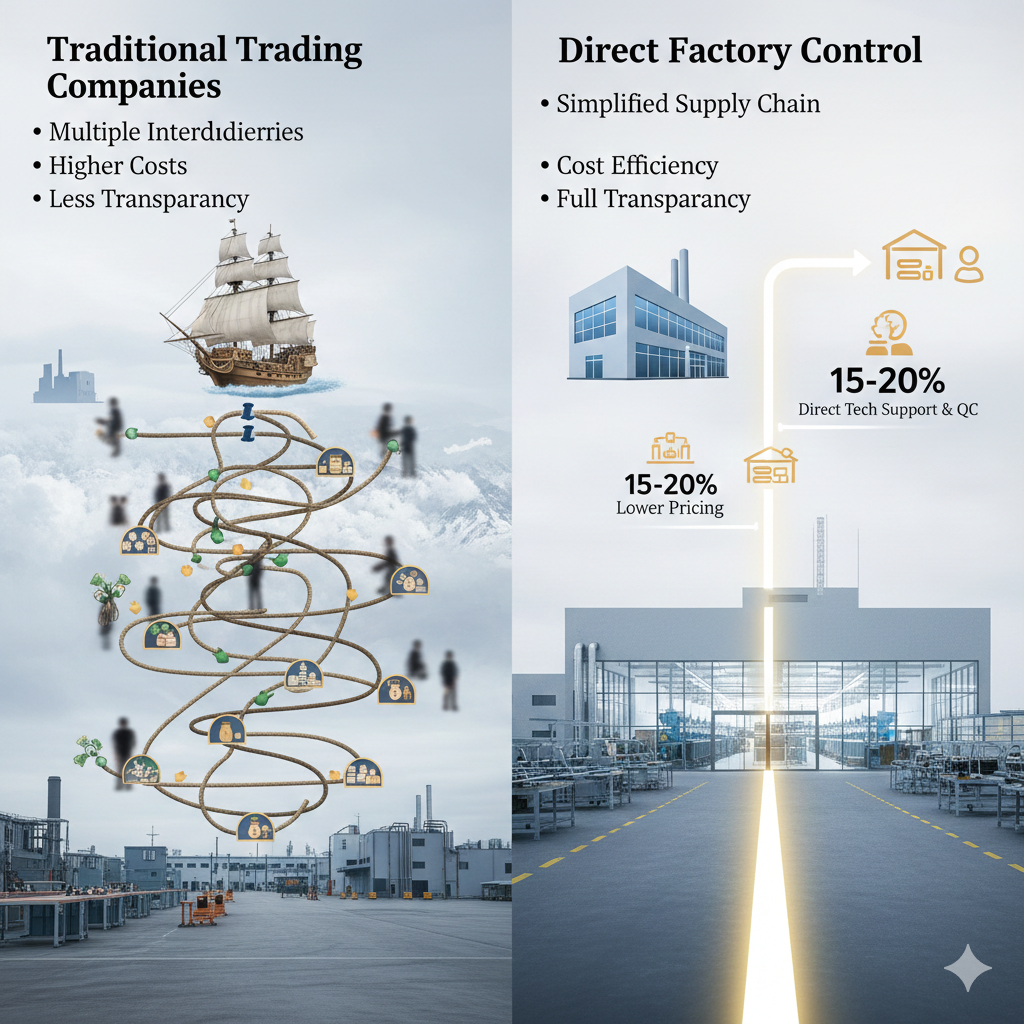
Purchasing terms and acceptance criteria
The standard MOQ is 1 x 20GP. For trial orders and start-up brands, the MOQ is negotiable. Delivery terms include FOB, CIF and DDP, and sea or rail freight can be arranged depending on the destination and shipment plan.
Acceptance criteria include pre-shipment inspection and lab report approval. The lab report approval step confirms the agreed specification; pre-shipment inspection checks the finished batch before shipment. For a long-term program, both checkpoints should be named in the purchase order or supply agreement, together with the approved sample and specification revision. This is important when the product includes a bio-based core structure or custom packaging, because either change can affect the acceptance reference.
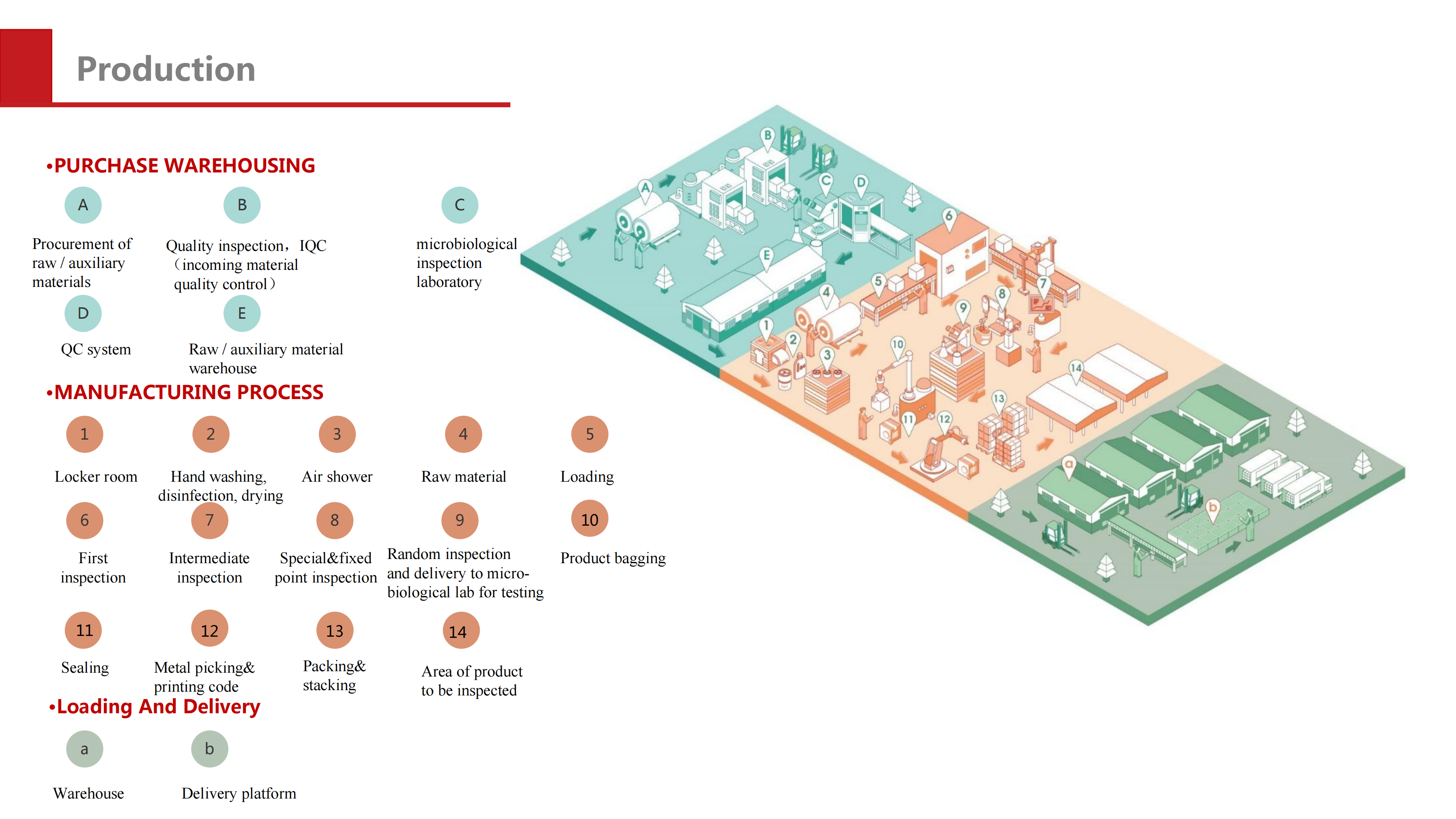
Payment methods and cash-flow planning
Payment terms include T/T and L/C. The deposit and balance structure is 30% deposit and 70% balance. Buyers should align this structure with their inspection and document-review timeline so that payment release does not run ahead of the agreed acceptance evidence. The exact documents required under T/T or L/C should be confirmed in the sales contract, because documentary requirements can vary by buyer and destination market.
For a long-term partnership, payment terms are not only a finance issue. They also affect production scheduling. A buyer that confirms the deposit and approved specification early gives the supplier a clearer basis for reserving line time within the typical 15–25 day production lead time. This does not create an automatic allocation or delivery guarantee; it simply removes one common source of delay.
MOQ flexibility for trial orders and start-up brands
The standard MOQ is 1 x 20GP. Trial orders and start-up brand volumes are negotiable. This flexibility is useful when a buyer needs to validate sizing, packaging, absorbency positioning or a bio-based core structure before committing to a full container program.
Negotiability should still be documented. A trial MOQ is normally tied to a specific SKU, packaging format and material choice, so the buyer should confirm the trial quantity, price basis, approval process and the path to the standard 1 x 20GP order in writing. That prevents the trial from becoming an exception that is difficult to repeat when the brand expands.
OEM/ODM customization: brand, sizing, bio-based core and packaging
OEM/ODM customization can cover brand/logo, sizing, bio-based core structure and packaging. Family Cares Group describes bespoke OEM/ODM solutions and Eco-Core technology, and its product range includes eco-friendly sanitary napkins. For a long-term program, the customization scope should be locked in a specification sheet and an approved sample before mass production.
Bio-based core structure is a material decision, so it should be connected to the approved lab report and incoming material checks. Packaging customization should also address moisture protection. Sealed high-barrier film packing is used to control moisture risk, which is relevant when cartons move through humid ports or long transit routes. Customization is therefore not only a design exercise; it changes the acceptance reference and the after-sales traceability record.
Production lead time and capacity planning
The typical production lead time is 15–25 days. Monthly production capacity is 54 million+ pieces for OEM/ODM services. The capacity figure describes production capability, not a promise of immediate line allocation. Lead time should be confirmed against the order specification, packaging complexity and current production schedule.
Lead-time risk is managed with a production buffer and multiple high-speed lines backup. For buyers, the practical step is to separate production time from freight time, then build the purchase order timeline around both. A distributor that plans repeat orders can use the 15–25 day production window for replenishment planning, while a first-time buyer should allow additional time for sample approval, lab report review and pre-shipment inspection.
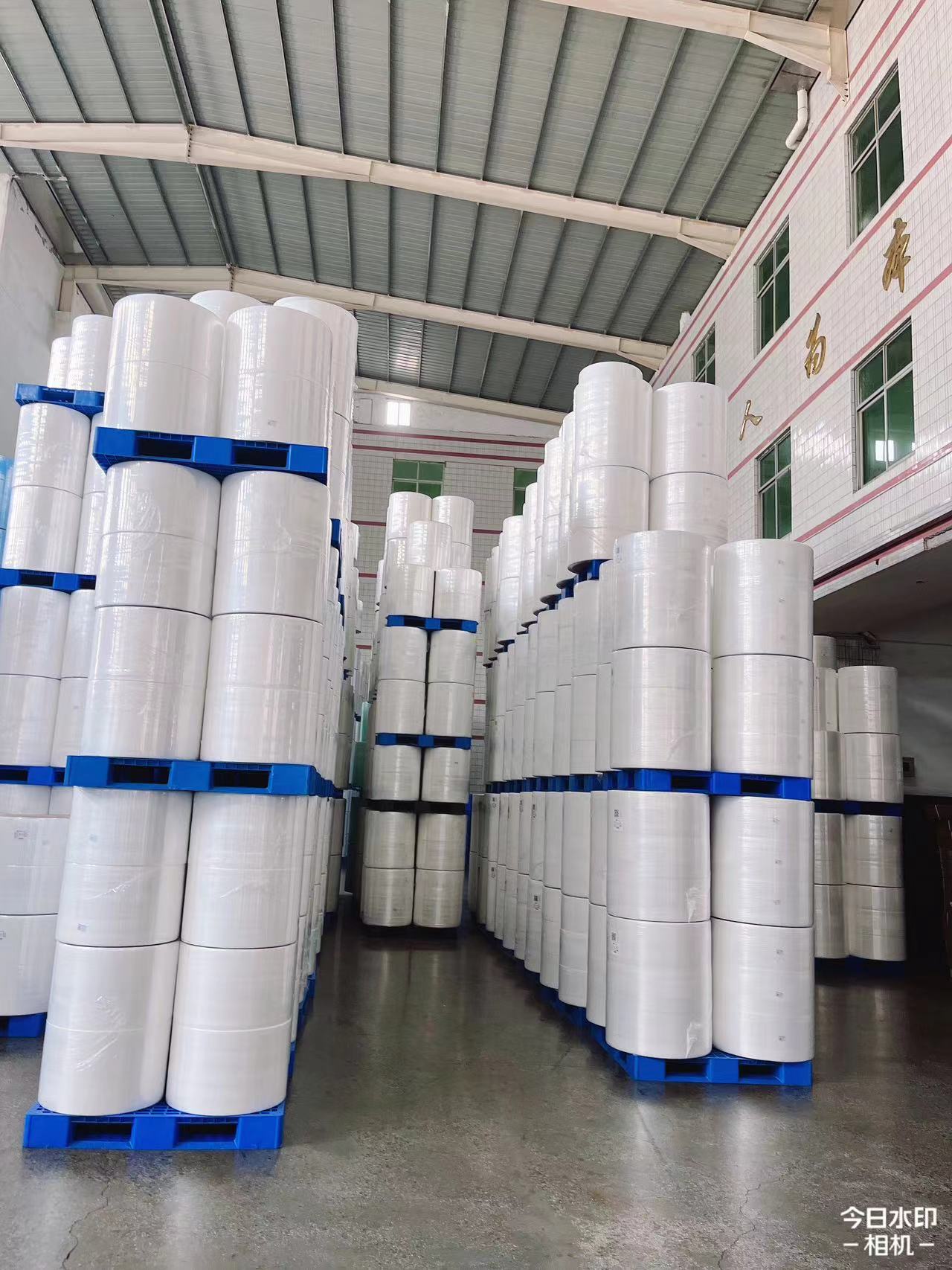
After-sales support and quality traceability
After-sales support includes 24/7 technical support. Quality traceability is supported by end-to-end quality control from raw materials to finished goods, 100% on-line visual inspection and real-time quality data tracking. In a long-term OEM partnership, these capabilities are most useful when they are connected to a clear complaint route: batch identification, inspection record review, technical assessment and corrective-action discussion.
Quality deviation risk is controlled through real-time monitoring and 100% on-line visual inspection. Moisture risk is controlled through sealed high-barrier film packing. These controls do not replace the buyer's own acceptance checks; they provide the supplier-side evidence that supports pre-shipment inspection and lab report approval. The buyer should keep the approved sample, specification revision and inspection records together so that any later question can be traced to the same reference.
Verified partnership terms at a glance
| Commercial or quality item | Verified position |
|---|---|
| Standard MOQ | 1 x 20GP |
| Trial order and start-up brand MOQ | Negotiable |
| Payment methods | T/T and L/C |
| Deposit and balance | 30% deposit and 70% balance |
| Delivery terms | FOB, CIF and DDP |
| Freight modes | Sea or rail freight |
| Acceptance criteria | Pre-shipment inspection and lab report approval |
| Typical production lead time | 15–25 days |
| Monthly production capacity | 54 million+ pieces for OEM/ODM services |
| After-sales technical support | 24/7 technical support |
| Quality control | 100% on-line visual inspection and real-time quality data tracking |
| OEM/ODM customization | Brand/logo, sizing, bio-based core structure and packaging |
Use cases: when these terms fit a long-term program
A start-up brand may use the negotiable trial MOQ to validate sizing and packaging before moving to the standard 1 x 20GP order. This is a conditional planning example, not a claim about a specific customer. The buyer should still confirm the trial specification, lab report approval step and pre-shipment inspection arrangement before the first production run.
An established private-label program with a bio-based core and custom packaging can use lab report approval and pre-shipment inspection as acceptance gates for each repeat order. This helps keep the product reference stable when packaging artwork or material wording changes. A distributor with repeat demand can plan around the typical 15–25 day production lead time and the reported 54 million+ pieces monthly capacity, while keeping freight transit and destination clearance in a separate part of the timeline.
These examples show how the same verified terms can support different buyer situations. They do not imply that every trial order, SKU or destination follows an identical schedule. The commercial terms and acceptance criteria should be confirmed for the actual product and purchase order.
FAQ: long-term OEM partnership questions
What purchasing terms and acceptance criteria apply to a long-term disposable sanitary napkin OEM order?
The standard MOQ is 1 x 20GP. For trial orders and start-up brands, the MOQ is negotiable. Delivery terms include FOB, CIF and DDP, with sea or rail freight available. Acceptance criteria include pre-shipment inspection and lab report approval. These terms should be written into the purchase order or supply agreement so that both parties use the same definition of the approved product, the inspected batch and the payment schedule.
Which payment methods are used, and how is the deposit structured?
Payment terms include T/T and L/C. The deposit and balance structure is 30% deposit and 70% balance. Buyers should confirm the required documents under either payment method before production, because documentary requirements can differ by contract and destination. The payment structure should also be aligned with the lab report approval and pre-shipment inspection checkpoints so that payment release follows the agreed acceptance evidence.
How flexible is the MOQ for trial orders and start-up brands?
The standard MOQ is 1 x 20GP, and the MOQ for trial orders and start-up brands is negotiable. The trial quantity should be confirmed in writing for the specific SKU, packaging format and material choice. A documented trial MOQ also makes it easier to plan the step up to a standard 1 x 20GP order when the brand or distributor is ready to scale.
What production lead time should buyers plan for?
The typical production lead time is 15–25 days. Monthly production capacity is 54 million+ pieces for OEM/ODM services. Lead time refers to production and should be separated from freight transit and destination clearance. Buyers should confirm the schedule against the approved specification, packaging and current production plan, and should allow time for sample approval, lab report review and pre-shipment inspection before the first shipment.
What after-sales support and quality traceability are available?
After-sales support includes 24/7 technical support. Quality traceability is supported by end-to-end quality control from raw materials to finished goods, 100% on-line visual inspection and real-time quality data tracking. Moisture risk is controlled with sealed high-barrier film packing. For repeat orders, the buyer should keep the approved sample, specification revision and inspection records together so that any after-sales question can be traced to the same batch and acceptance reference.
How does OEM/ODM customization work for brand/logo, sizing, bio-based core and packaging?
OEM/ODM customization can cover brand/logo, sizing, bio-based core structure and packaging. The customization scope should be fixed in a specification sheet and approved sample before mass production. Bio-based core structure should be linked to the approved lab report, while packaging customization should include moisture-protection requirements. For a trial order, sample or quotation, buyers can contact Family Cares Group through the official website and confirm the MOQ, acceptance criteria and production timeline for the intended SKU.
Conclusion: what a durable supply relationship should document
A durable disposable sanitary napkin supply relationship is built on documented terms rather than verbal assumptions. The core facts are straightforward: standard MOQ at 1 x 20GP with negotiable trial orders, T/T and L/C payment with 30% deposit and 70% balance, FOB/CIF/DDP delivery terms, pre-shipment inspection and lab report approval, a typical 15–25 day production lead time, 54 million+ pieces monthly capacity for OEM/ODM services, and 24/7 technical support with quality traceability.
For buyers in the decision and execution stages, the next step is to convert those terms into a purchase-order checklist: approved sample, specification revision, MOQ position, payment method, inspection plan, lab report requirement and after-sales contact route. Ecolivia disposable sanitary napkins, supplied by Family Cares Group (Xiamen), can be reviewed against that checklist before a trial order or repeat order is confirmed.
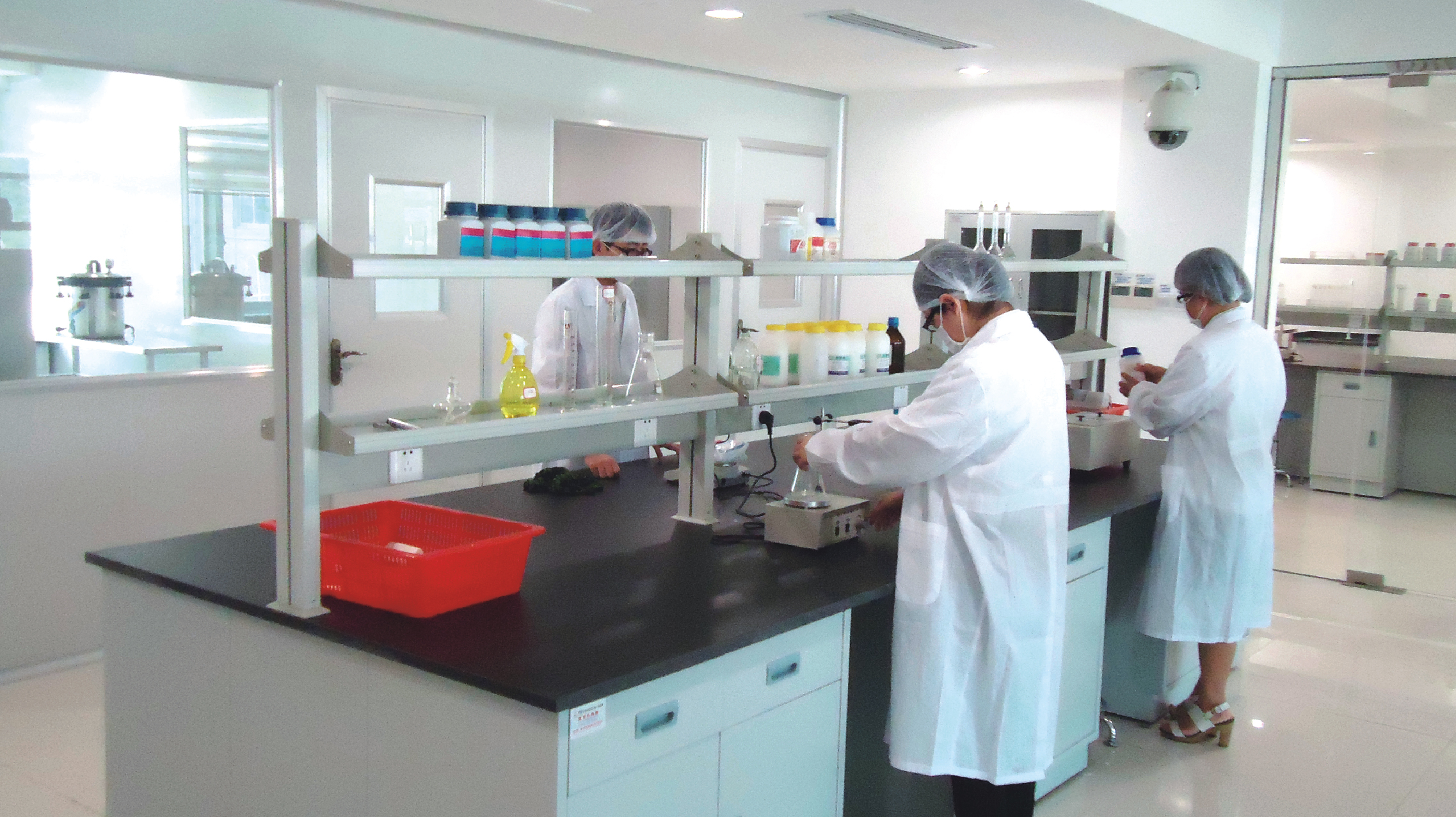
To review a sample, request a quotation or confirm a trial-order MOQ for disposable sanitary napkins, buyers can contact Family Cares Group through the official website and provide the target format, packaging direction and destination market.
Have Questions or Need More Details?
Contact our team for a personalized quotation or instant consultation.
Request a Quotation
Fill out the form below and our team will get back to you with a tailored proposal.
WhatsApp Direct Chat
Prefer to chat in real-time? Message us on WhatsApp for instant assistance & quick answers.
- Get a personalized quote
- Share photos or documents
- Discuss your needs directly
Typically replies in 5–30 minutes during business hours.