
Disposable Menstrual Pants vs. Box-Packed Pads: Which Format Fits Your Brand?
Short answer: disposable menstrual pants fit brands building a postpartum, recovery, overnight-heavy or care-led position, usually sold through e-commerce, subscription or pharmacy channels where one product carries the promise. Box-packed sanitary napkins fit brands that need shelf breadth — a visible length-and-absorbency ladder, clear price tiers and trial packs in physical retail. Most owners will eventually carry both, but each purchase order commits a container to a single format, so the decision should be made on use occasion, channel and customization path before it is made on unit price.
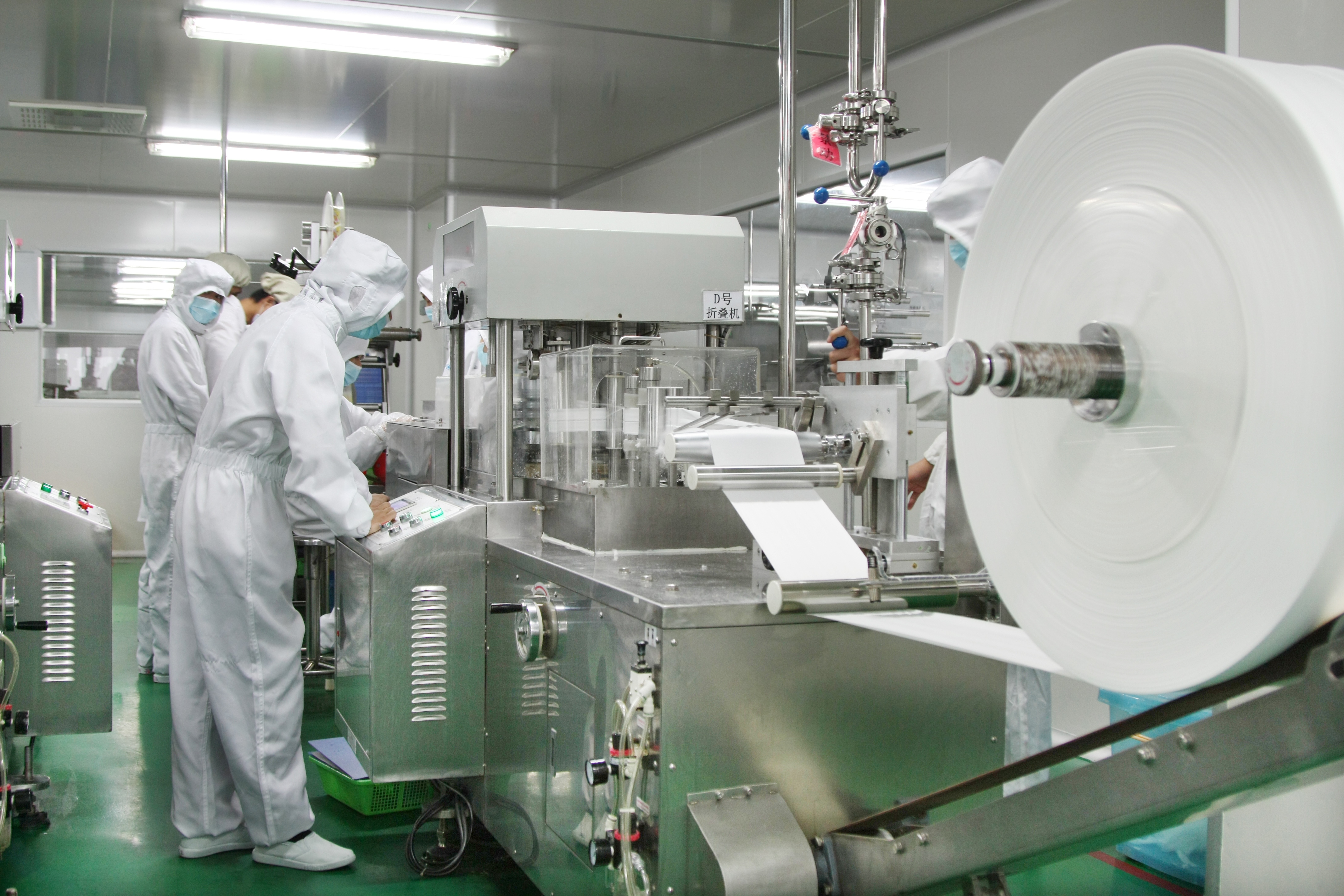
This guide is written for brand owners, importers and distributors who have already decided to source disposable sanitary napkins and now have to decide which format carries their first or next container. Both formats are produced under the Ecolivia brand by Family Cares Group (Xiamen), an integrated hygiene and medical materials manufacturer founded in 2001, operating a 35,000+ square meter production base with 350–500 employees and 25+ engineers, and an annual output above 650 million pieces. The commercial frame is identical for both formats: OEM/ODM customization of brand/logo, sizing, bio-based core structure and packaging, a standard MOQ of 1 x 20GP, and a 15–25 day production lead time.
The Problem: One Container, Two Formats, and No Room to Guess
The hard part is not understanding the products. It is choosing which format absorbs a container before any sell-through data exists. Under a standard OEM arrangement, the minimum order quantity is 1 x 20GP, and a 15–25 day production lead time means the second order has to be forecast while the first is still on the water. Three failure patterns repeat across new and expanding brands:
- Retail-first brands order pants for the story. The pull-up narrative is easier to explain, but shelf comparison in physical retail usually happens on the pad ladder, where length and absorbency are visible at a glance.
- E-commerce-first brands build a wide pad range. Repeat purchase then concentrates on one or two hero SKUs, and the remaining variants tie up working capital in packaging and cartons that cannot be re-cut.
- Both patterns end in the same place. A correction order placed before the first container clears, or a discount cycle that resets the brand's price position for the following season.
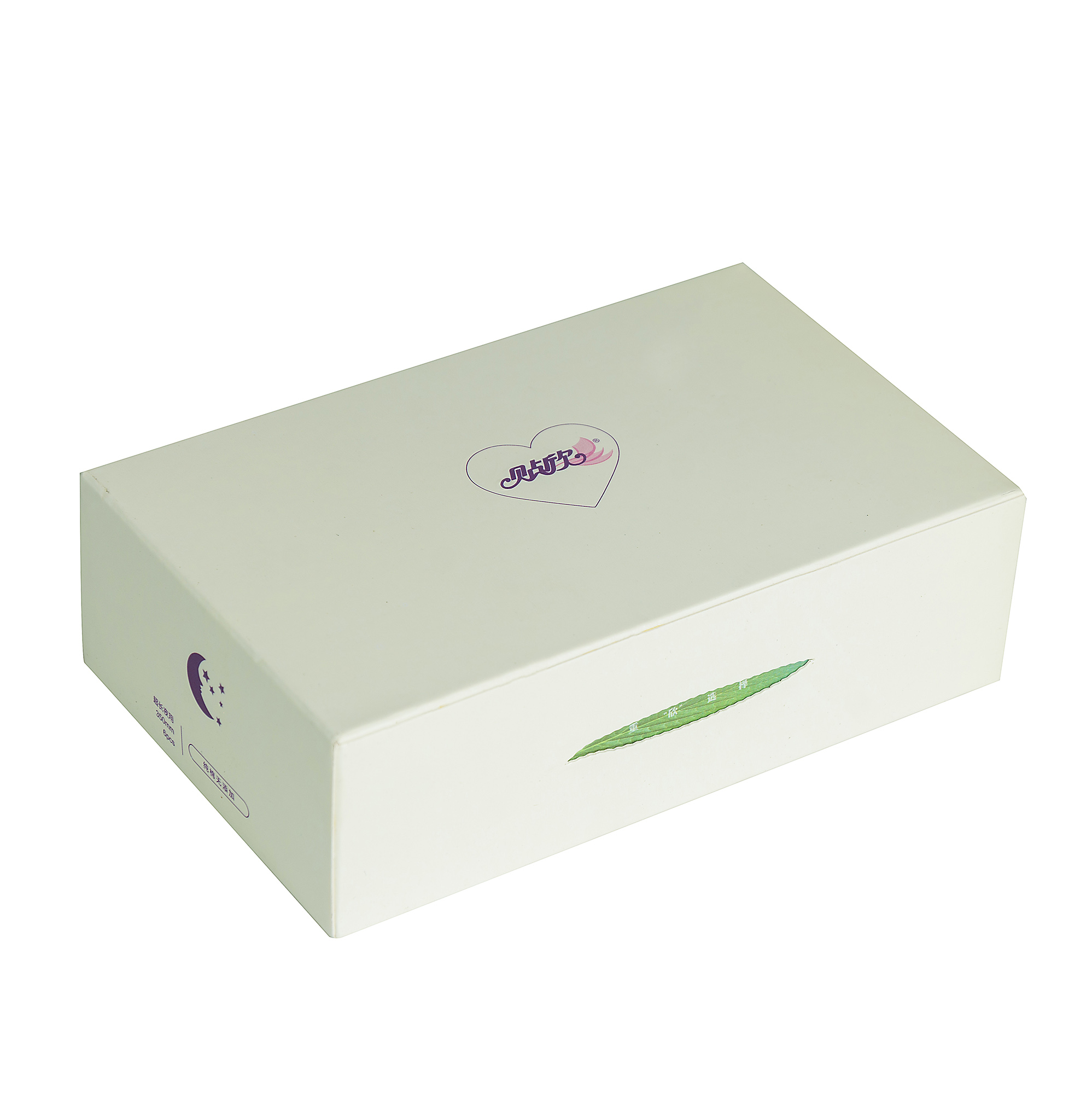
Two definitions keep the rest of this guide precise. Disposable menstrual pants are a one-piece pull-up garment: absorbent core, leakage barriers and elasticated waistband built into a single unit, sized to the body rather than to a pad length. Box-packed sanitary napkins are individually wrapped pads packed into a printed carton, sold as a defined absorbency-and-length ladder inside one box configuration. The packaging difference matters commercially: a box is a shelf object and a gift object, while a pants carton is usually a fulfilment object.
Industry Background: Why Both Formats Now Sit on the Same Shelf
China's sanitary napkin exports reached 1.14 million tonnes in 2025, a 9.2% year-on-year increase, with the United States taking 21% of exports, Germany 12% and the United Kingdom 9%, according to a 2026 CNHPIA industry sourcing guide. For a brand owner this means the sourcing side is deep and competitive: availability is no longer a differentiator, and format, claim and channel execution are.
The biodegradable segment is growing faster than the category as a whole. The Insight Partners places the global biodegradable sanitary napkin market at US$3.53 billion in 2025, with a projected rise to US$14.93 billion by 2034 and a CAGR of 17.38% across 2026–2034. That growth is format-agnostic: a bio-based core is now a requirement for pads and for pants, not a pad-only feature. A brand that builds its eco positioning on one format and launches the second format with a conventional core creates a claim inconsistency that buyers notice quickly.
Public benchmarking is also asymmetric, and this is the detail most brand owners miss. The same CNHPIA guide benchmarks standard ultra-thin pad FOB prices at US$0.018–0.032 per unit depending on SAP content and top sheet material, so the pad side can be reasoned about against a published band. There is no equally verified benchmark series for menstrual pants, which means the pants side has to be decided on sell-through, repeat rate and channel economics rather than on a per-unit price comparison.
The Decision Framework: Five Dimensions That Separate the Two Formats
Format choice is settled by five dimensions, in this order: how absorbency is specified, which use occasion the product serves, which channel sells it, how far customization has to go, and what the commercial terms allow. Price is the output of those five, not an input.
1. Absorbency: A Specification, Not a Format Feature
Neither format should be selected on a brochure absorbency claim. Pads are sold as a ladder — day, night, overnight, heavy flow — where absorbency, length and core weight are separate purchase cues the shopper compares. Pants compress that ladder into a single coverage level per size, so absorbency and fit are coupled: leakage in a pull-up is as much a sizing and barrier question as a core question. In both cases the practical rule is the same: define the absorbency target inside the RFQ, approve it against a laboratory report per SKU, and only then print the claim.
Claims such as ultra-thin high-absorbency, 3D leak guard or 90% biodegradable are only useful to a brand if a defined SKU is tested behind them. Family Cares Group applies 100% on-line visual inspection plus in-house laboratory QC on OEM/ODM programs, and lab report approval is an accepted acceptance criterion alongside pre-shipment inspection. That is the mechanism that converts a claim into a defensible label.
2. Use Occasion: Cycle Management vs. Postpartum and Recovery
Box-packed napkins are a cycle-management product: the shopper buys by flow level and time of day, and the box communicates the ladder. Disposable menstrual pants are a care product: the dominant occasions are postpartum recovery, heavy overnight flow, travel and institutional or care settings, where the buyer wants a single garment rather than a decision about length and flow.
This is where many portfolios split rather than choose. Postpartum and recovery programs commonly need both: maternity pads inside a hospital-bag or gift configuration, and pull-up pants for the early recovery days when mobility and fit matter more than a visible ladder. A brand entering the recovery category with pads only tends to lose the second purchase, and a brand entering with pants only has nothing to sell at the entry price point.
3. Channel Fit: Shelf Breadth vs. Fulfilment Economics
Physical retail rewards breadth. A box-packed range gives a retailer a readable planogram, a natural price ladder and trial packs, and the carton protects the product through distribution. E-commerce and subscription reward repetition and page-level explanation: pants can be explained with a size guide and a use scenario, they carry higher unit value, and they are bought on a repeat cycle rather than a browse cycle.
The box format is not limited to value retail, however. A premium e-commerce and subscription brand in Germany has been running tailored organic cotton pads in luxury retail gift boxes since a three-year program began, at 500,000+ units per batch on a monthly recurring basis, supported by high-capacity automated box-packing lines and zero-defect quality control for premium retail standards. The same program supported the customer's transition to 100% plastic-free packaging. Format and channel are matched in the packaging configuration, not only in the product.
4. Customization Path: Sizing, Core Structure and Packaging
OEM/ODM customization at Family Cares Group covers brand/logo, sizing, bio-based core structure and packaging, with a monthly OEM/ODM capacity of 54 million+ pieces. Behind that sits in-house material R&D and supply, covering nonwoven GSM, bio-film layers, spandex and magic tape, with 1,600+ tons of monthly material capacity — which is what makes a waistband elastic change on pants or a backsheet change on pads a material decision rather than a sourcing compromise.
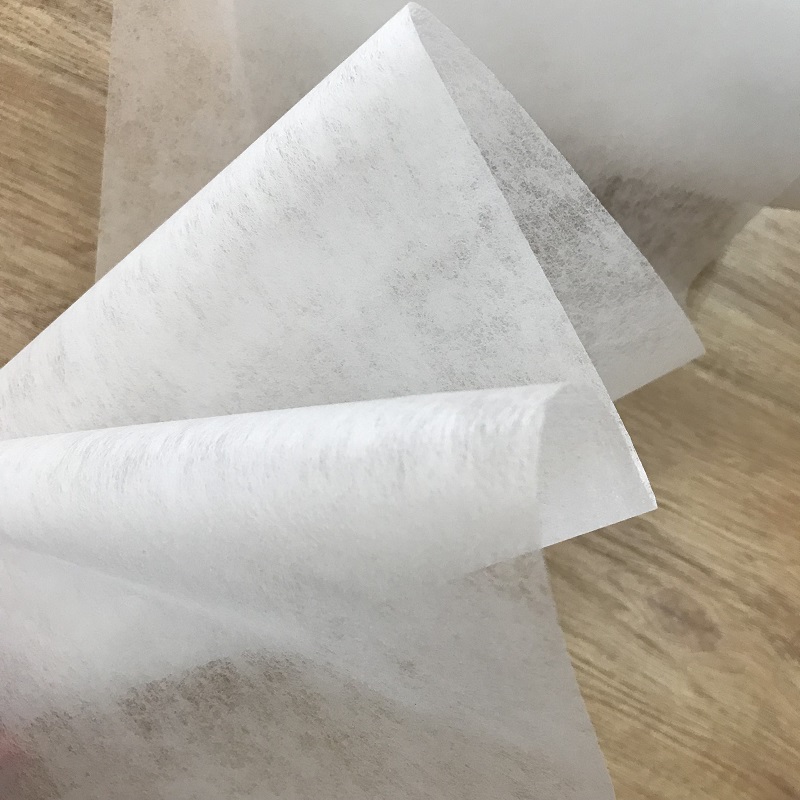
The two formats consume customization differently. On pads, customization usually travels through the ladder — length, core weight, backsheet and box artwork — because the shopper compares those attributes. On pants, customization travels through sizing and fit, because a pull-up that fits badly is a return, not a variant. Sizing must therefore be fixed in the specification sheet before artwork is released, and it should be validated on a wearer sample rather than on a drawing.
Core structure is the shared lever. A regional FMCG brand in Malaysia integrated Advanced Bio-based Core technology to replace standard SAP across its high-end organic cotton sanitary napkins and menstrual pants, shipping 2–3 x 40HQ containers per month over more than three years and achieving 25% annual sales growth in Southeast Asia. One core decision served two formats and one claim architecture. On the backsheet side, the manufacturer's own comparison reports a 40% increase in airflow for a plant-based bio-film backsheet versus standard PE backsheets — a company-reported figure that should be re-verified against your own SKU test report before it appears on pack copy.
5. Commercial Terms: MOQ, Lead Time and Capacity
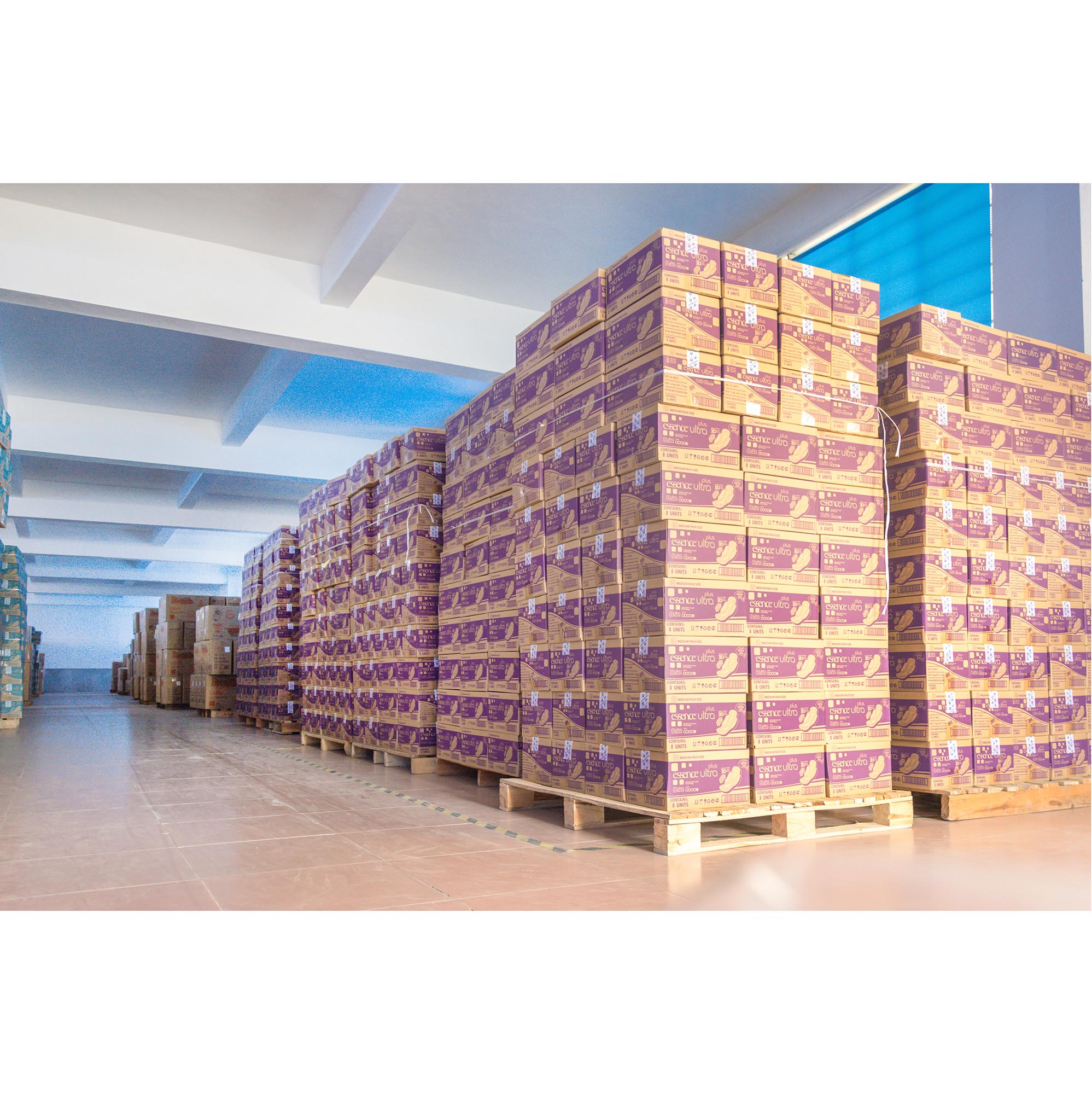
The standard MOQ for OEM/ODM production is 1 x 20GP, negotiable for start-up brands, with a 15–25 day production lead time and monthly capacity of 54 million+ pieces. Delivery terms are FOB, CIF or DDP; payment is by T/T or L/C, typically 30% deposit and 70% balance; acceptance criteria combine pre-shipment inspection with lab report approval. Where a brand also controls its own materials, material R&D and supply runs at 2 tons or 1 x 40GP per material, with a 7–14 day lead time and batch COA reports. Logistics support covers 30+ containers (40HQ) per month with a 3–5 day treatment date, consolidation and customs clearance support.
Read together, those numbers set the real constraint. A 1 x 20GP commitment per format means a two-format launch is a two-container launch, and a 15–25 day production window means artwork, sizing and lab approval must be closed before the production slot opens, not during it.
Step-by-Step: Building the Format Decision in Six Steps
Comparison Table: Menstrual Pants vs. Box-Packed Sanitary Napkins
| Decision dimension | Disposable menstrual pants (FC-Pants Series) | Box-packed sanitary napkins (Ecolivia-Premium Series) |
|---|---|---|
| Product form | One-piece pull-up garment with elasticated waistband and integrated barriers | Individually wrapped pads in a printed carton, sold as a length-and-absorbency ladder |
| Primary use occasion | Postpartum and recovery, heavy overnight flow, travel, care and institutional settings | Day-to-day cycle management across day, night and overnight flow levels |
| How absorbency is specified | One coverage level per size; absorbency coupled with fit; define target in RFQ and approve by lab report | Multiple ladder steps; absorbency, length and core weight compared by the shopper; approve each SKU by lab report |
| Sizing customization | Body-size based; must be fixed in the spec sheet before artwork | Length and absorbency ladder based; variants driven by SKU count |
| Core and material options | Bio-based core structure available; waistband elastic and nonwoven GSM customizable | Bio-based core structure available; nonwoven GSM and bio-film backsheet customizable |
| Packaging and presentation | Fulfilment-oriented cartons; branding on pack and carton | Box is a shelf and gift object; supports premium gift-box presentation and trial packs |
| Channel fit | E-commerce, subscription, pharmacy and care channels | Physical retail planograms, value and premium tiers, gifting, e-commerce |
| Customization scope (OEM/ODM) | Brand/logo, sizing, bio-based core structure, packaging | Brand/logo, sizing, bio-based core structure, packaging |
| MOQ | 1 x 20GP standard; negotiable for start-up brands | 1 x 20GP standard; negotiable for start-up brands |
| Production lead time | 15–25 days | 15–25 days |
| Quality control | 100% on-line visual inspection + in-house lab QC; pre-shipment inspection | 100% on-line visual inspection + in-house lab QC; pre-shipment inspection |
| Best-fit brand profile | Recovery, care or overnight positioning with a compressed, repeat-purchase range | Broad retail assortment with visible price tiers and a defined flow ladder |
The table shows where the two formats converge and where they do not. Commercial terms, MOQ, lead time, quality control and the customization menu are shared; the divergence sits in use occasion, ladder logic and packaging presentation. That is why the decision is a channel-and-occasion decision rather than a supplier decision.
Use Cases: How Two Brand Types Resolved the Same Question
A premium e-commerce and subscription brand in Germany resolved it in favour of box-packed presentation. Since a three-year program began, tailored organic cotton pads have shipped in luxury retail gift boxes at 500,000+ units per batch on a monthly recurring basis, supported by high-capacity automated box-packing lines and zero-defect quality control for premium retail standards. The relationship also supported the customer's transition to 100% plastic-free packaging — a packaging decision that sat on top of a format decision already made.
A regional FMCG brand in Malaysia resolved it in favour of both formats under one core. High-end organic cotton sanitary napkins and menstrual pants ship at 2–3 x 40HQ containers per month, with Advanced Bio-based Core technology replacing standard SAP, over more than three years and with 25% annual sales growth in Southeast Asia. The lesson is not that both formats are always right; it is that a shared bio-based core lets a brand launch the second format without rebuilding its claim architecture.
A third pattern appears on the material side. A sanitary product manufacturer in Uzbekistan has taken 500+ tons of raw materials annually for four years, with customized GSM and roll diameter matched to its high-speed Italian machinery, cutting production downtime by 15% through material consistency. For brands that intend to scale beyond finished-goods buying, material-level control is what makes format switching economical later.
FAQ: Format Questions Buyers Ask Before the First Purchase Order
Which compliance documents should be verified before committing to either format?
Start with three document sets. The FDA Establishment Registration No. 3005078659 (U.S. FDA), valid from 2025-12-26 to 2026-12-31, covers a product scope that includes Sanitary Napkin, Panty Liner, Nappy and Menstrual pad. ISO 9001:2015 certificate 41624QZ644CR0, issued by CQC/IQNet and valid from 2024-04-08 to 2027-04-07, covers design, manufacture and sales of hygiene and medical materials. CE MDR documentation held through SGS/TUV against EN ISO 10993 currently covers adult incontinence care, adult diaper and underpad — so buyers should confirm in writing whether a specific napkin or pants SKU sits inside the CE scope rather than assume it does. Establishment registration is not the same as product clearance, and the registration requires annual renewal, so the certificate pack should be re-checked at each order cycle.
Can one OEM/ODM partner customize both formats, including sizing and bio-based cores?
Yes, within one production program. OEM/ODM customization covers brand/logo, sizing, bio-based core structure and packaging, with monthly OEM/ODM capacity of 54 million+ pieces. Because nonwoven GSM, bio-film layers, spandex and magic tape are supplied through in-house material R&D at 1,600+ tons per month, a core or backsheet change is handled at material level rather than through a third-party substitution. Quality control is 100% on-line visual inspection plus in-house lab QC. The Malaysia program above is the practical reference: organic cotton napkins and menstrual pants under one Advanced Bio-based Core.
What MOQ and payment terms apply to a first order?
The standard MOQ is 1 x 20GP, negotiable for start-up brands. Delivery terms are FOB, CIF or DDP, and payment is by T/T or L/C, typically structured as 30% deposit and 70% balance. If the brand also buys materials directly, material MOQ is 2 tons or 1 x 40GP depending on the material, with batch COA reports. Budget planning should treat each format as its own container commitment, because a two-format launch consumes two slots.
How are samples, testing and acceptance handled?
Sampling is supported through material R&D and sample testing support. Acceptance criteria combine pre-shipment inspection with lab report approval, on top of 100% on-line visual inspection and in-house lab QC during production. In practice this means the absorbency target, core type and sizing should be agreed in writing before sampling, and no pack copy should be released until the lab report for that SKU has been approved.
What lead time should be planned for each format?
OEM/ODM production runs on a 15–25 day lead time for both formats, against monthly capacity of 54 million+ pieces. Material R&D and supply runs on 7–14 days. Logistics support covers 30+ containers (40HQ) per month with a 3–5 day treatment date, including consolidation and customs clearance support. Adding those windows together is the realistic planning horizon, and artwork, sizing and lab approval should be closed before the production slot opens. To discuss a specific SKU, request a sample or a quotation from the Family Cares Group team at family-cares.com or admin@family-cares.com.
Conclusion: Choose the Format Your Channel Can Repeat
The decision resolves cleanly once the question is framed correctly. If the brand's promise is recovery, care or heavy overnight protection, and the channel is e-commerce, subscription or pharmacy, disposable menstrual pants carry the story and the repeat purchase. If the brand needs a visible ladder, price tiers and shelf comparison in physical retail, box-packed sanitary napkins do the work that a pull-up cannot do on a planogram.
What does not change is the execution discipline behind either choice: a defined absorbency target approved by lab report, sizing fixed before artwork, packaging matched to the channel, and commercial terms planned against a 1 x 20GP MOQ and a 15–25 day lead time. Brands that skip those four steps do not usually pick the wrong format — they pick the right format and then lose the season to a packaging reprint.
Next Step: Sample, Specification Review or Quotation
Family Cares Group (Xiamen) manufactures Ecolivia disposable sanitary napkins and menstrual pants for brand owners, importers and distributors, with OEM/ODM customization of brand/logo, sizing, bio-based core structure and packaging, MOQ of 1 x 20GP and a 15–25 day lead time.
Contact: Caffy · Email: admin@family-cares.com · Tel / WhatsApp: +86 13805968557 · www.family-cares.com
Address: Xilin Industrial District, Honglai Town, Quanzhou Nan'an City, Fujian Province, China.
Have Questions or Need More Details?
Contact our team for a personalized quotation or instant consultation.
Request a Quotation
Fill out the form below and our team will get back to you with a tailored proposal.
WhatsApp Direct Chat
Prefer to chat in real-time? Message us on WhatsApp for instant assistance & quick answers.
- Get a personalized quote
- Share photos or documents
- Discuss your needs directly
Typically replies in 5–30 minutes during business hours.