
Top Materials Sourcing Picks: Ranking Non-Wovens for High-Performance Feminine Hygiene Lines
A sanitary napkin performs the way its materials were specified, not the way it was marketed. The topsheet decides how the pad feels in the first ten seconds and whether the wearer trusts it for the next eight hours. The absorbent core decides whether "ultra-thin" and "high-absorbency" can honestly appear on the same package. The backsheet decides whether a breathability claim survives a laboratory test. For buyers moving from evaluation into execution, the material list is the product plan.
This article ranks five non-woven and raw-material picks used in high-performance feminine hygiene lines — Hot Air non-woven topsheets, Spunbond constructions, advanced bio-based cores, bio-film backsheet layers, and elastic fixation components — and explains which sanitary pad range each pick suits best. The material facts come from the Material R&D & Supply, OEM/ODM, and supply chain operations of Family Cares Group (Xiamen), whose sanitary protection lines are marketed under the Ecolivia brand, and from documented project work in Uzbekistan, Malaysia, Germany, and Turkey.
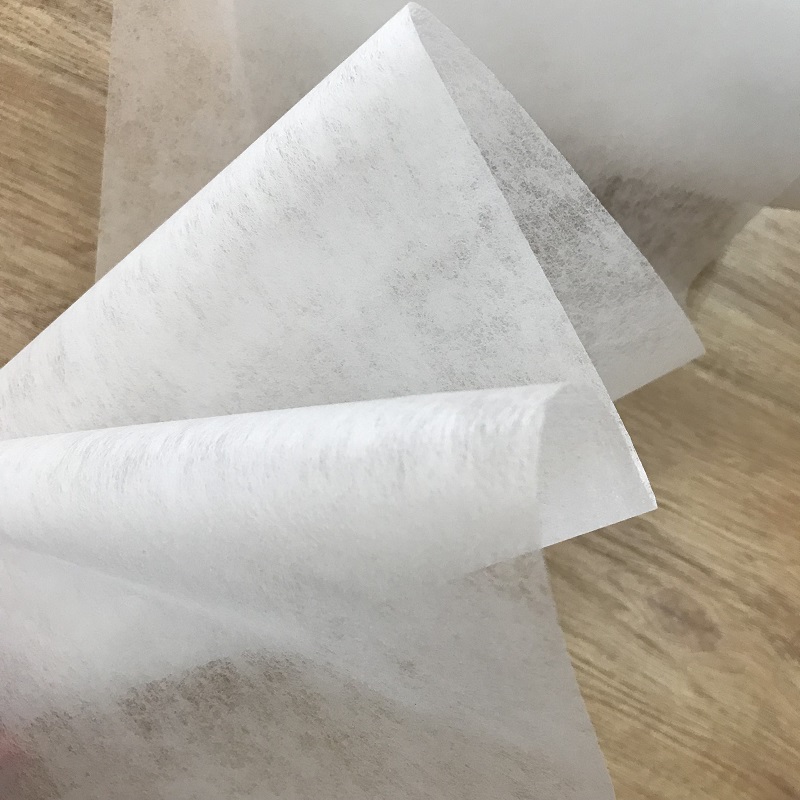
Why Material Specification Decides Whether a Pad Line Succeeds
Three failure modes account for most sourcing disputes in feminine hygiene, and each one is a material decision rather than a marketing problem.
Softness that does not survive the price point. A pad positioned as hypoallergenic or sensitive-skin friendly but built on a thin, low-loft topsheet will be compared directly against leading retail products on the shelf. Consumers judge contact softness within seconds, and no amount of packaging design closes that gap. This is why topsheet structure — not pad thickness alone — is the first specification experienced buyers interrogate.
Material that does not fit the machine. Non-woven is supplied in rolls, and rolls have geometry: width, GSM, roll diameter, and winding behavior. When those parameters do not match the converter's line speed and unwinding setup, output falls even when the material itself is excellent. One industrial raw-material program solved a chronic production problem purely by customizing GSM and roll diameter to the buyer's high-speed machinery — no chemistry change was required.
Documentation that does not survive the compliance gate. Importers and retailers increasingly ask for evidence before listing a product: quality management scope, establishment registration, regional marking where applicable, and biodegradation standards if the brand makes an environmental claim. Certified compostable hygiene products must meet EN 13432 in Europe or ASTM D6400 in North America, both of which require 90% biodegradation within six months under industrial conditions (TÜV SÜD / European Bioplastics). A material that performs beautifully but cannot be documented delays a launch as effectively as a quality failure.
Industry Background: Two Demand Curves Shaping Material Choice
The global sanitary pads market was valued at approximately USD 20.4 billion to USD 25.73 billion in 2024, with growth projected at a CAGR of 4% to 5.6% through 2034; estimates vary slightly between research firms (Kings Research; Expert Market Research; Vertex AI Search summary). China remains the world's leading exporter of sanitary pads under HS 961900, with export values of approximately USD 3.3 billion to USD 3.59 billion in 2024 (OEC; World Integrated Trade Solution; General Administration of Customs China). Buyers sourcing from China are therefore working inside the deepest raw-material and converting ecosystem in the category.
Steady growth describes the base of the market. Two segments are moving considerably faster:
- Biodegradable sanitary napkins: valued at USD 2.43 billion in 2023 and projected to reach USD 8.54 billion by 2030, a CAGR of 20.1% (Mark & Spark Solutions).
- Organic cotton sanitary napkins: approximately USD 3.95 billion in 2025, driven by consumer preference for hypoallergenic and chemical-free products (Providence Strategic Partners).
At the brand end, Procter & Gamble (Always) and Kimberly-Clark (Kotex) remain the top global manufacturers, and Always introduced Flexfoam technology in 2025 targeting on-the-go portability (Expert Market Research / IMARC Group). Premium launches reset consumer expectations for thinness, dryness, and comfort — expectations that regional brands and private-label programs must then answer with material specifications rather than advertising copy.
That is the context in which the following picks should be read. They are ordered by how much each material contributes to finished-pad performance in the pad ranges where it is used, not by purchase volume.
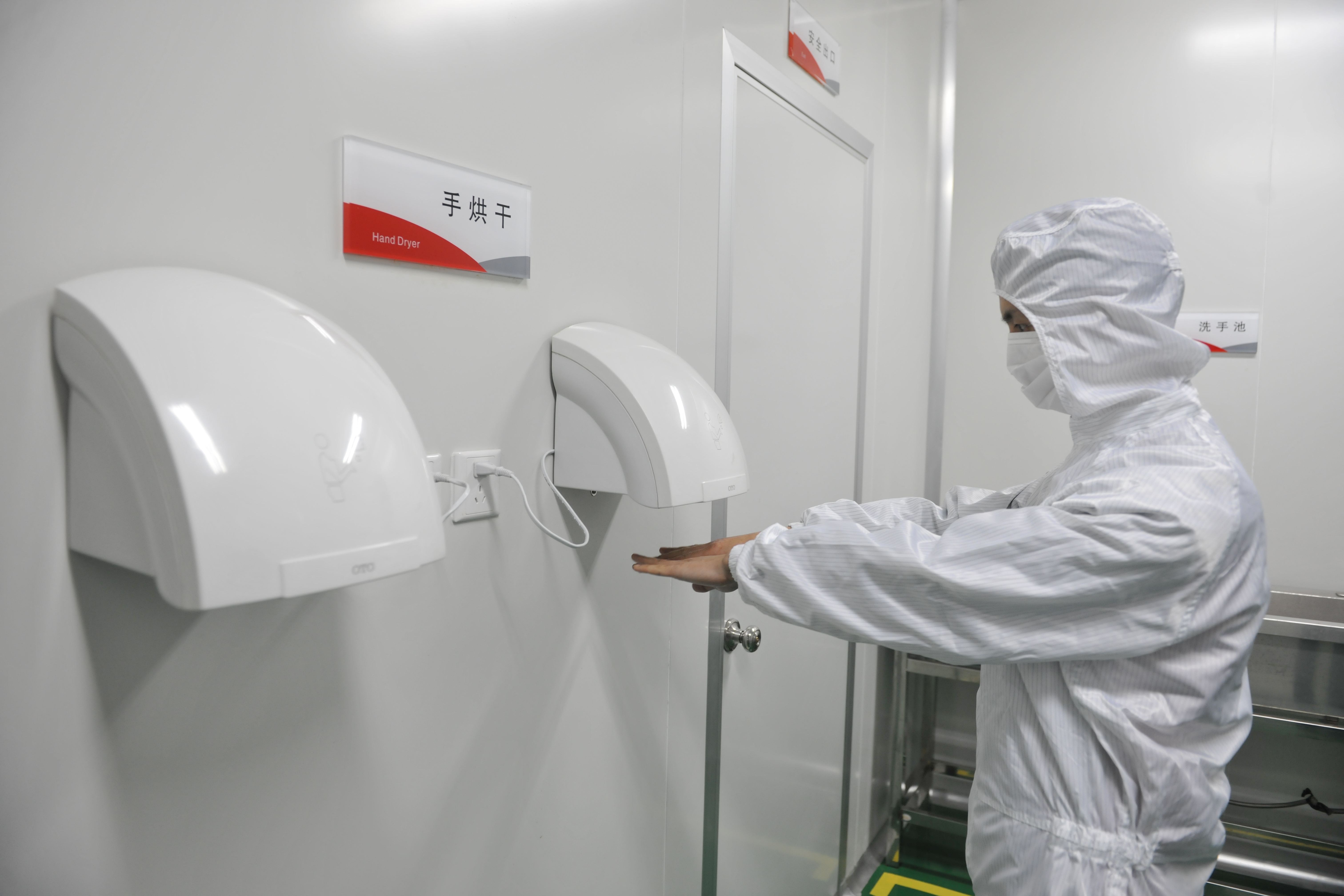
The Material and Manufacturing Base Behind These Picks
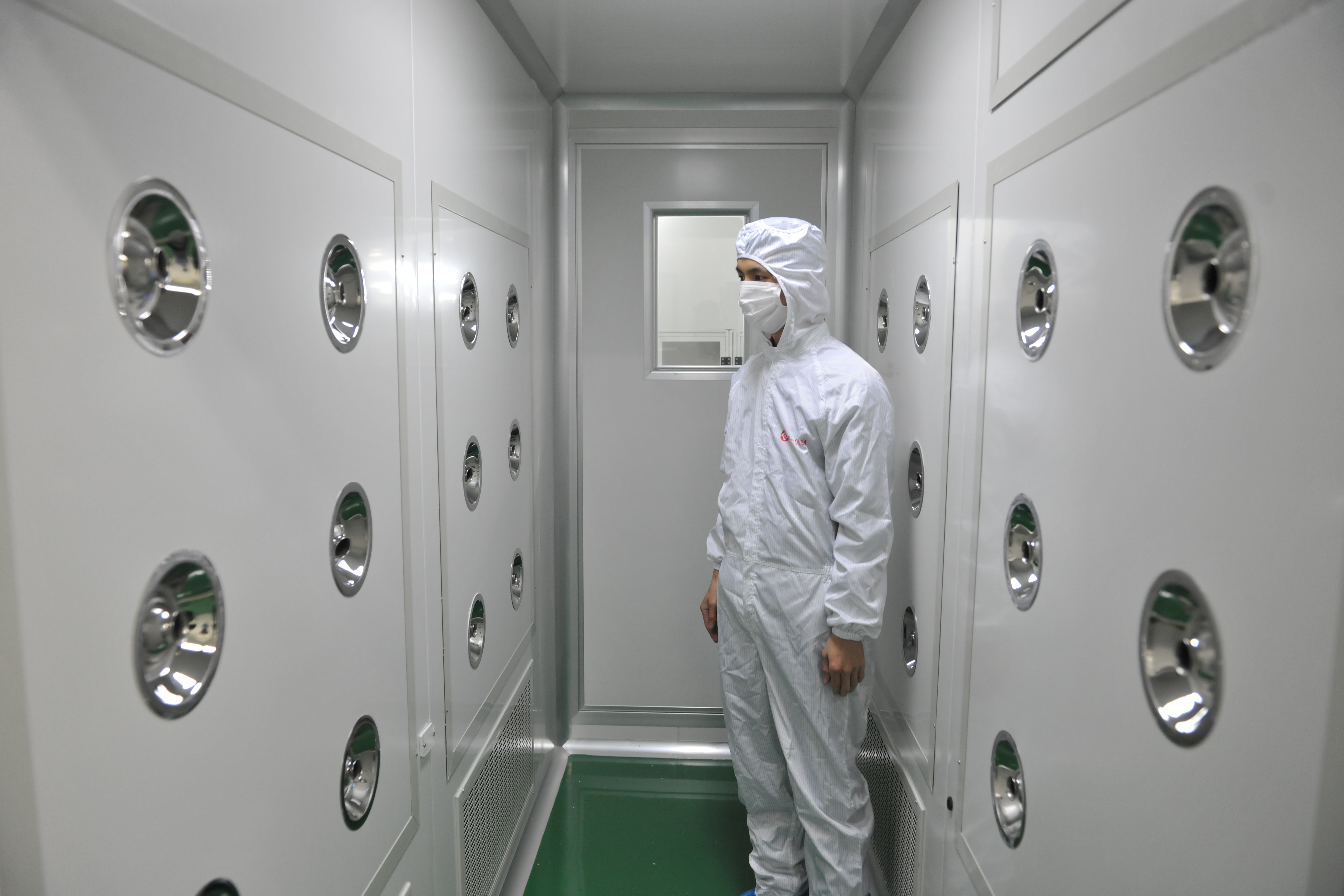
Family Cares Group (Xiamen), founded in 2001, is an integrated manufacturing and supply chain group specializing in high-performance hygiene and medical materials, with its headquarters acting as the global strategic sales and R&D hub and manufacturing anchored in the hygiene industrial cluster of Quanzhou, China. The group operates 35,000+ square meters of manufacturing space with 350–500 employees, an annual output of 650 million+ pieces, a 25+ engineer R&D team, and an export ratio of 85–90% across North America, Europe, Southeast Asia, CIS, the Middle East, and Africa. Its website is www.family-cares.com.
Three service layers matter for material sourcing on a feminine hygiene line.
Material R&D & Supply. Customization covers non-woven GSM, bio-film layers, spandex, and magic tape. Monthly capacity is 1,600+ tons, typical lead time is 7–14 days, and MOQ is 2 tons or 1x40GP depending on the material. Quality control is documented through batch COA reports, and sample testing support is provided during development and after delivery. Active markets for this channel include Uzbekistan, Turkey, and Vietnam.
OEM/ODM Manufacturing. Customization covers brand/logo, sizing, bio-based core structure, and packaging. Monthly capacity is 54 million+ pieces with a 15–25 day lead time and an MOQ of 1x20GP, negotiable for start-up brands. Quality control combines 100% on-line visual inspection with in-house lab QC, supported by 24/7 technical support and quality traceability.
Supply Chain & Logistics. Customization covers shipping mode, consolidation, and customs clearance support. Monthly capacity is 30+ 40HQ containers with a 3–5 day treatment-date lead time, pre-shipment loading inspection, real-time tracking, documentation support, and worldwide FOB, CIF, and DDP terms.
Compliance documentation available to buyers includes ISO 9001:2015 certificate 41624QZ644CR0 issued by CQC / IQNet (valid 2024-04-08 to 2027-04-07; scope: design, manufacturing, and sales of hygiene and medical materials); FDA Establishment Registration 3005078659 under 21 CFR Part 807, whose registered scope includes sanitary napkin, panty liner, nappy, and menstrual pad; and CE Marking (MDR) issued through SGS / TÜV under EN ISO 10993 for adult incontinence care, adult diaper, and underpad (valid 2022-05-31 to 2027-05-30).
The Ranking: Five Material Picks for Sanitary Pad Ranges
Five criteria were applied consistently across all picks: contact softness as experienced by the wearer; fluid handling and rewet behavior; runnability on high-speed converting lines; documentation readiness for regulated markets; and supply reliability in terms of capacity, lead time, and MOQ flexibility.
Rank 1 — Hot Air Non-Woven for Topsheets
Best fit: ultra-thin high-absorbency lines, hypoallergenic and sensitive-skin SKUs, premium retail and subscription programs, and postpartum maternity care ranges where wearer comfort outweighs unit cost.
Hot Air non-woven ranks first because it resolves the hardest trade-off in pad design: keeping a product thin while making it feel soft. Specified at approximately 80 GSM, a Hot Air topsheet carries a loft and bulk that flatter, lower-GSM constructions do not reproduce. That loft creates a cushioned contact surface — the tactile quality consumers associate with premium sanitary pads — while keeping the structure open enough for fluid to move downward into the absorbent core instead of spreading across the surface. For night-use and heavy-flow overnight products, where the topsheet stays in contact with skin for long periods, this difference in perceived dryness is one of the strongest drivers of repeat purchase.
Sourcing note: GSM is the single most consequential specification for a Hot Air topsheet, and it is also one of the most frequently customized parameters in the Material R&D & Supply channel. Buyers can hold softness constant while adjusting roll width and diameter to match their own converting line.
Rank 2 — Spunbond Non-Woven for Topsheets, Backsheet Bases, and Carrier Layers
Best fit: high-volume standard ranges, value lines, backsheet laminate bases, and distribution-layer carriers in multi-layer constructions.
Spunbond is the workhorse material of the category. It converts reliably at high line speeds, is available across a wide GSM range, and remains cost-efficient at container-scale volumes — which is why it dominates bulk export and private-label production. It is also the practical choice for backsheet bases and carrier layers where the material sits behind another layer and hand feel is not the deciding factor.
Why it ranks second rather than first: at the GSM levels normally used for direct skin contact, Spunbond presents a flatter surface than a lofted Hot Air structure. This is a specification trade-off — cost and line speed against perceived softness — not a quality defect. Many successful commercial ranges pair a Spunbond backsheet with a Hot Air topsheet, and that combination is often the most efficient way to protect a mid-price product's positioning.
Sourcing note: request batch COA reports to confirm GSM consistency between lots. Batch-to-batch variation is what produces inconsistent pad thickness and rewet results on the finished line, long before it shows up in a customer complaint.
Rank 3 — Advanced Bio-Based Core (Replacing Standard SAP)
Best fit: eco-friendly plant-based ranges, 90% biodegradable positioned SKUs, retail brand programs with environmental commitments, and private-label lines competing in the fastest-growing segment.
The absorbent core — traditionally built around super absorbent polymer (SAP) and wood pulp — is where environmental claims are hardest to make honestly, because the core drives absorbency. Replacing standard SAP with an advanced bio-based core changes how fluid is captured, locked, and held under pressure, so the substitution has to be validated on the line rather than on paper. This pick ranks third because it is the highest-impact material decision available to any brand selling into the biodegradable segment, projected to reach USD 8.54 billion by 2030 at a 20.1% CAGR (Mark & Spark Solutions).
Field evidence: in a Malaysia program with a leading regional FMCG brand, Advanced Bio-based Core technology was integrated to replace standard SAP across high-end organic cotton sanitary napkins and menstrual pants. The engagement has run for more than three years at 2–3 x 40HQ containers per month and supported 25% annual sales growth in Southeast Asia.
Sourcing note: budget a validation cycle. A core change affects absorbency, pad thickness, and machine settings simultaneously, so sample testing should run before a packaging commitment is finalized.
Rank 4 — Bio-Film Backsheet Layers
Best fit: breathable bio-film backsheet programs, plastic-free packaging initiatives, and premium e-commerce or subscription SKUs where the backsheet supports both comfort and sustainability messaging.
The backsheet is the layer the wearer never sees and always feels — it determines whether moisture escapes and whether the product feels breathable against underwear. Bio-film layers are customized as a distinct specification rather than treated as a commodity film, because breathability, GSM, and lamination compatibility have to be fixed together with the converting setup. This pick ranks fourth because it rarely decides whether a pad performs, but it frequently decides whether a brand's sustainability claims are defensible under scrutiny.
Field evidence: a premium e-commerce and subscription client in Germany, running 500,000+ units per batch on a monthly recurring basis for three years, produced tailored organic cotton pads in luxury retail gift boxes. Production used high-capacity automated box-packing lines with zero-defect quality control for premium retail standards and supported the client's transition to 100% plastic-free packaging.
Rank 5 — Spandex and Magic Tape Components for Fit and Fixation
Best fit: heavy-flow overnight sanitary napkins, postpartum maternity care products, 3D leak guard designs, and wholesale export ranges where fit complaints drive returns.
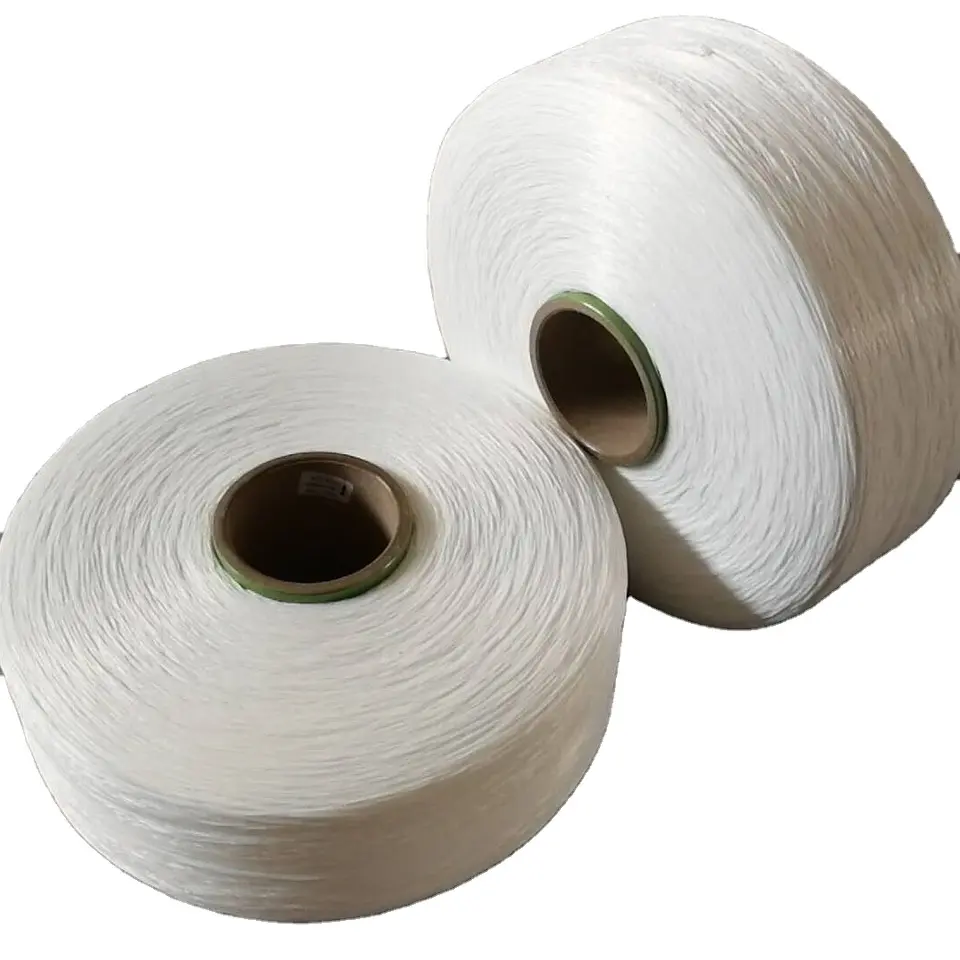
The final pick is not a pad layer, but it decides whether the layers work in use. Spandex provides the elastic recovery behind leg-cuff and leak-guard geometry, and magic tape determines whether the pad stays positioned through movement. In high-speed assembly, elastic recovery and breakage rates affect line efficiency directly: a component that snaps during assembly costs more than any material price difference it was chosen to capture.
Field evidence: a large-scale diaper manufacturing plant in Turkey has received regular monthly container shipments of high-elasticity spandex yarn over a two-year period. The superior elastic recovery properties reduced breakage during high-speed assembly, and the supply arrangement stabilized the client's production chain during a period of global material fluctuation.
Sourcing note: co-specify elastic and fixation components together with the core and backsheet. Changing one without the others commonly produces a new set of leakage complaints at the leg cuff.

Step-by-Step: How to Specify and Source These Materials
Step 1 — Define the pad range before the material list. Decide which ranges you will sell: value, standard, ultra-thin, sensitive-skin, heavy-flow overnight, maternity, or eco-positioned. Each range maps to a different topsheet and core specification, and collapsing several ranges into one material SKU creates quality inconsistency at retail.
Step 2 — Fix the topsheet specification. Choose Hot Air for premium and sensitive-skin ranges, Spunbond for high-volume standard and value ranges, and a combination construction where a mid-price product needs a premium hand feel without a premium bill of materials.
Step 3 — Match roll geometry to your machinery. Provide your line speed, roll diameter requirement, and unwind setup. Non-woven GSM and roll diameter are both customizable in the Material R&D & Supply channel, and this is the step that most often removes unplanned downtime.
Step 4 — Validate with samples and batch documentation. Use sample testing support during development, then confirm consistency at scale through batch COA reports. On the finished-goods side, acceptance criteria can be built around lab report approval or pre-shipment loading inspection.
Step 5 — Lock compliance documentation for the destination market. Confirm the certificates relevant to your market before the first order: ISO 9001:2015, FDA Establishment Registration, CE Marking (MDR) where applicable, and EN 13432 or ASTM D6400 where a compostability claim is made.
Step 6 — Plan capacity, lead time, and logistics as one schedule. Material R&D & Supply runs at 1,600+ tons per month with a 7–14 day lead time; OEM/ODM runs at 54 million+ pieces per month with a 15–25 day lead time; logistics handles 30+ 40HQ containers per month with a 3–5 day treatment-date lead time on FOB, CIF, or DDP terms.
Use Cases: Three Sourcing Scenarios
High-speed converting line in Uzbekistan. A sanitary product manufacturer has received 500+ tons of specialized non-woven fabric annually for four years, supplied with customized GSM and roll diameter to fit high-speed Italian machinery. The result was a 15% reduction in production downtime attributable to material consistency. For a converter, a downtime reduction of that scale changes the cost base without changing the purchase price — the saving comes from running the line, not from negotiating the roll.
Eco-positioned brand in Southeast Asia. A leading regional FMCG brand replaced standard SAP with Advanced Bio-based Core technology across high-end organic cotton sanitary napkins and menstrual pants. Over more than three years at 2–3 x 40HQ containers monthly, the program supported 25% annual sales growth in the region.
Premium subscription brand in Germany. A subscription and e-commerce client produces 500,000+ units per batch monthly in tailored organic cotton pads packaged in luxury retail gift boxes. The three-year program supported the brand's move to 100% plastic-free packaging, using high-capacity automated box-packing lines and zero-defect quality control aligned to premium retail standards.
Comparison Table: Material Picks at a Glance
| Rank | Material Pick | Primary Function | Best-Fit Pad Range | Why It Ranks Here | Supply Channel Notes |
|---|---|---|---|---|---|
| 1 | Hot Air Non-Woven | Topsheet | Ultra-thin, sensitive-skin, premium retail, maternity | Loft at approx. 80 GSM delivers cushioned contact softness while keeping fluid moving down into the core | Material R&D & Supply: 1,600+ tons/month, 7–14 days, MOQ 2 tons / 1x40GP (material-dependent) |
| 2 | Spunbond Non-Woven | Topsheet, backsheet base, carrier layer | High-volume standard and value ranges | High-speed runnability and cost efficiency at volume, with wide GSM availability | Material R&D & Supply: customized non-woven GSM; batch COA reports |
| 3 | Advanced Bio-Based Core (replaces standard SAP) | Absorbent core | Eco-friendly plant-based and biodegradable-positioned ranges | Highest-impact decision in the fastest-growing segment (20.1% CAGR to 2030) | OEM/ODM: 54 million+ pieces/month, 15–25 days, MOQ 1x20GP negotiable for start-up brands |
| 4 | Bio-Film Backsheet Layers | Breathable backsheet | Breathable and plastic-free packaging programs | Custom bio-film specifications make breathability and plastic-free claims defensible | Material R&D & Supply: customized bio-film layers |
| 5 | Spandex and Magic Tape | Leg cuff, 3D leak guard, fixation | Heavy-flow overnight, maternity, leak-guard designs | Elastic recovery reduces breakage in assembly and stabilizes fit in use | Material R&D & Supply: spandex and magic tape customization |
FAQ
1. What documentation should I verify before approving a non-woven material for a sanitary napkin line?
Start with the certificates that cover the supplier's quality system and the product category. Family Cares Group holds ISO 9001:2015 certificate 41624QZ644CR0 issued by CQC / IQNet, valid from 2024-04-08 to 2027-04-07, with a scope covering the design, manufacturing, and sales of hygiene and medical materials. FDA Establishment Registration 3005078659 is held under 21 CFR Part 807, and its registered scope lists sanitary napkin, panty liner, nappy, and menstrual pad among the products covered. CE Marking (MDR) is issued through SGS / TÜV under EN ISO 10993 for adult incontinence care, adult diaper, and underpad, valid from 2022-05-31 to 2027-05-30. If your brand makes a compostability claim, the material must additionally meet EN 13432 in Europe or ASTM D6400 in North America, both requiring 90% biodegradation within six months under industrial conditions. Material lots are accompanied by batch COA reports.
2. Can non-woven GSM and roll dimensions be customized to my production line?
Yes. The Material R&D & Supply service customizes non-woven GSM, bio-film layers, spandex, and magic tape, with a monthly capacity of 1,600+ tons and a typical lead time of 7–14 days. In the Uzbekistan raw-material program, GSM and roll diameter were customized to fit the client's high-speed Italian machinery, and the resulting material consistency cut production downtime by 15% over four years of supply at 500+ tons annually.
3. How do material choices translate into cost savings rather than just price negotiation?
The largest saving usually comes from line performance rather than unit price. In the Uzbekistan program, the 15% reduction in production downtime came from material consistency, not from a cheaper roll. On commercial terms, raw-material MOQ is 2 tons or 1x40GP depending on the material, while OEM/ODM MOQ is 1x20GP and negotiable for start-up brands, which allows smaller programs to reach factory-direct pricing without committing to full container volumes of finished goods.
4. How do I validate Hot Air non-woven softness before committing to a volume order?
Validation runs in two stages. During development, sample testing support allows the topsheet specification — including the approximately 80 GSM construction used for high-performance topsheets — to be confirmed against your target pad range and wearer profile. At scale, batch COA reports document lot-to-lot consistency, and finished-goods acceptance can be structured around lab report approval or pre-shipment loading inspection.
5. What capacity and lead times should I plan around for a full program?
Plan three timelines together. Material R&D & Supply provides 1,600+ tons per month with a 7–14 day lead time. OEM/ODM manufacturing provides 54 million+ pieces per month with a 15–25 day lead time, supported by 100% on-line visual inspection, in-house lab QC, and 24/7 technical support. Supply chain and logistics handle 30+ 40HQ containers per month with a 3–5 day treatment-date lead time across FOB, CIF, and DDP terms. To start, request the non-woven sample set and a quotation at admin@family-cares.com or via WhatsApp at +86 13805968557.
Conclusion: Match the Material to the Range, Then Lock the Spec
The ranking above is a starting framework, not a fixed hierarchy for every program. Hot Air non-woven leads for topsheets whenever wearer softness carries the product positioning — which is why it is the specification of choice for ultra-thin high-absorbency, sensitive-skin, and premium retail ranges. Spunbond remains the correct answer for high-volume standard lines and for backsheet and carrier layers. Advanced bio-based cores, bio-film backsheets, and elastic components then complete a range that has to defend both performance and environmental claims.
What separates a material list that works from one that stalls is specification discipline: define the pad range first, fix the topsheet GSM, match roll geometry to the converting line, validate with samples and batch COA reports, and confirm compliance documentation before the first shipment. The Uzbekistan program's 15% downtime reduction and the Malaysia program's three-year SAP replacement both came from doing those steps in that order.
Request a Non-Woven Sample Set
Family Cares Group supplies Hot Air and Spunbond non-woven, bio-film layers, spandex, and magic tape for feminine hygiene lines, with non-woven GSM and roll geometry customized to your converting equipment. Request a material sample set, batch COA documentation, or a quotation for your pad range.
Email: admin@family-cares.com | WhatsApp: +86 13805968557 | Website: www.family-cares.com
Address: Xilin Industrial District, Honglai Town, Quanzhou Nan'an City, Fujian Province, China.
Have Questions or Need More Details?
Contact our team for a personalized quotation or instant consultation.
Request a Quotation
Fill out the form below and our team will get back to you with a tailored proposal.
WhatsApp Direct Chat
Prefer to chat in real-time? Message us on WhatsApp for instant assistance & quick answers.
- Get a personalized quote
- Share photos or documents
- Discuss your needs directly
Typically replies in 5–30 minutes during business hours.