
Breathable Bio-Films in Disposable Sanitary Napkins: Myths vs. Tech
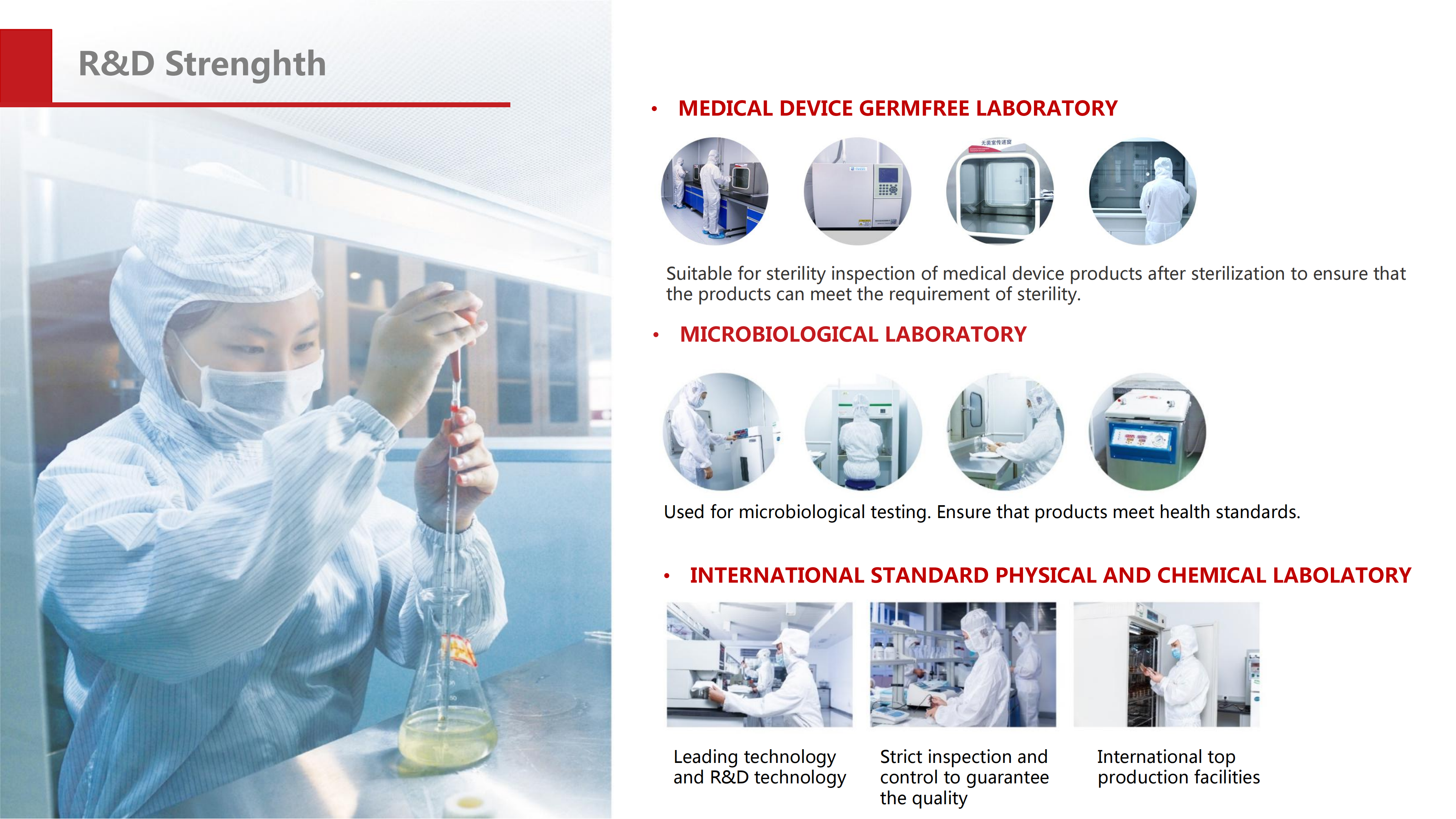
Bio-film backsheet construction and core assembly are developed in-house before a sanitary napkin SKU reaches mass production.
Breathability in a disposable sanitary napkin is a backsheet decision, not an absorbency decision. The film that seals the pad determines how much water vapour can leave the product while liquid stays inside. In the construction data used throughout this article, a plant-based bio-film backsheet delivers a 40% increase in airflow compared with standard PE-backsheet products, together with superior skin-breathability. That single number moves breathability out of the adjective column and into a specification line that a buyer can request, compare and validate.
Ecolivia is the sanitary napkin brand supplied by Family Cares Group (Xiamen), a hygiene and medical materials manufacturer founded in 2001, operating 35,000+ square meters of production space with 350–500 employees, 25+ engineers and annual output above 650 million pieces; 85%–90% of that output is exported to North America, Europe, Southeast Asia, the CIS, the Middle East and Africa. This article compares the non-woven and bio-film layers of the FC-Standard Series and the Premium Econivia line, explains how bio-based cores perform in hot-climate markets, and separates four common breathability myths from what the construction facts actually support.
Problem Definition: Why Breathability Is the Most Mis-Specified Parameter in Pad Sourcing
Most procurement briefs specify thickness, non-woven GSM, core weight, SAP loading and pack count. Airflow and backsheet chemistry are frequently left to the supplier's discretion. That omission becomes a commercial problem rather than a technical one: a distributor in a hot, humid market receives a pad that absorbs correctly but feels occlusive, and the complaint arrives as a comfort issue that the factory cannot trace to any agreed specification.
Four assumptions drive most of these specification gaps.
- Myth 1 — “Breathable means leak-prone.” Airflow is vapour transmission through the backsheet. Liquid containment is governed by core capacity, construction and the inspection regime: manufacturing uses 100% on-line visual inspection against a zero-leakage batch guarantee.
- Myth 2 — “Bio-based cores absorb more slowly.” The advanced bio-absorbent core is documented at 2x faster liquid absorption than standard SAP/pulp cores, with reduced material waste in the core.
- Myth 3 — “Thicker is safer for heavy flow.” Overnight and heavy-flow performance comes from how fast the core pulls liquid away and how the structure distributes it, not from bulk.
- Myth 4 — “Breathability cannot be verified.” It can be specified as a relative delta against a named reference construction — here, 40% more airflow than standard PE-backsheet products.
There is a second, unrelated moisture problem that buyers often confuse with breathability. Moisture ingress during shipping and storage is a packaging risk, controlled separately through multi-layer packaging and sealed high-barrier film packing. Breathability concerns vapour leaving the pad while in use; barrier packaging concerns humidity reaching the pad before use. Treating them as one issue produces specifications that solve neither.
Industry Background: A Category Where Breathability Now Carries a Margin Premium
The global sanitary pads market was valued at approximately USD 20.4 billion to USD 25.73 billion in 2024, with growth projected at a CAGR of 4% to 5.6% through 2034 (Vertex AI Search, Kings Research, Expert Market Research). Inside that mature base, the eco-positioned segment is expanding faster than the category average: the biodegradable sanitary napkins market was valued at USD 2.43 billion in 2023 and is projected to reach USD 8.54 billion by 2030, a CAGR of 20.1% (Mark & Spark Solutions). Organic cotton sanitary napkins reached approximately USD 3.95 billion in 2025, driven by preference for hypoallergenic and chemical-free products (Providence Strategic Partners).
Supply is concentrated. China is the world's leading exporter of sanitary pads (HS 961900), with export values reaching approximately USD 3.3 billion to USD 3.59 billion in 2024 (OEC, WITS, General Administration of Customs China). At brand level, Procter & Gamble (Always) and Kimberly-Clark (Kotex) remain the top global manufacturers, with Always introducing Flexfoam technology in 2025 to target on-the-go portability (Expert Market Research, IMARC Group).
Two structural consequences follow. First, when the category leaders compete on structure and material innovation rather than absorbency alone, private-label programmes need a comparable layer-level story or they compete only on price. Second, environmental claims now have a technical floor: certified compostable sanitary napkins must adhere to European standard EN 13432 or North American ASTM D6400, requiring 90% biodegradation within 6 months under industrial conditions (TÜV SÜD, European Bioplastics). A backsheet made from plant-based film supports a sustainability narrative, but the compostability claim itself belongs to the certificate, not to the material name.
Detailed Solution: Layer-by-Layer Breathability in the FC-Standard Series and Premium Econivia
A disposable sanitary napkin is a five-layer stack, and breathability is set by only one of them. Understanding which layer does what prevents buyers from paying for airflow in the wrong place.
The five functional layers
- Non-woven topsheet — the skin-contact layer. It governs softness and the speed at which liquid passes through to the core.
- Acquisition / distribution layer — spreads liquid across the core instead of letting it pool in one point.
- Absorbent core — SAP and pulp, or an advanced bio-absorbent core, where retention happens.
- Backsheet film — the barrier layer. This is where breathability is decided: standard PE-backsheet versus plant-based bio-film.
- Construction, adhesive and packaging — wing and body adhesive, fold geometry, and the multi-layer high-barrier film pack that keeps humidity out before use.
FC-Standard Series: conventional construction, volume-retail role
The FC-Standard Series is built on a conventional layer stack: standard non-woven topsheet, standard SAP/pulp core and a standard PE-type backsheet. Its role in a portfolio is volume — mainstream retail shelves, price-sensitive channels and tender-driven programmes where the buying decision is anchored on unit cost and dependable repeatability rather than on material differentiation.
That positioning is not a weakness. The series is produced on high-speed automated lines with a daily capacity of 1.8 million pieces and 99.9% product consistency, which lowers unit cost through mass production. For a distributor whose buyers compare on price per pad and reorder predictability, a conventional construction produced at that consistency is the rational base SKU. The limitation is explicit: a standard PE backsheet does not provide the airflow profile of a bio-film backsheet, so the FC-Standard Series is a weaker fit for hot, humid markets where occlusivity generates comfort complaints.
Premium Econivia: bio-film backsheet plus bio-absorbent core
The Premium Econivia line changes the two layers that determine perceived performance. The backsheet moves to plant-based bio-film technology, which compared with standard PE-backsheet products provides a 40% increase in airflow and superior skin-breathability. The core moves to an advanced bio-absorbent core, which compared with standard SAP/pulp cores provides 2x faster liquid absorption and reduced material waste in the core.
The commercial trade-off is documented rather than implied. Bio-film carries a higher material cost, and the line is positioned for premium eco-friendly markets where that cost is recovered through higher margins and through sustainable supply chain branding that retailers can put on shelf. The efficiency gain sits in the core: reduced material waste and a simplified product structure offset part of the film premium and simplify the bill of materials.
Material science is where this line originates. Family Cares Group works at material level rather than as a trading intermediary — Eco-Core™ technology, medical-grade hydrophilic PU foam and sustainable non-woven fabrics are developed in-house, which is what allows a backsheet and core combination to be tuned per market instead of selected from a catalogue.
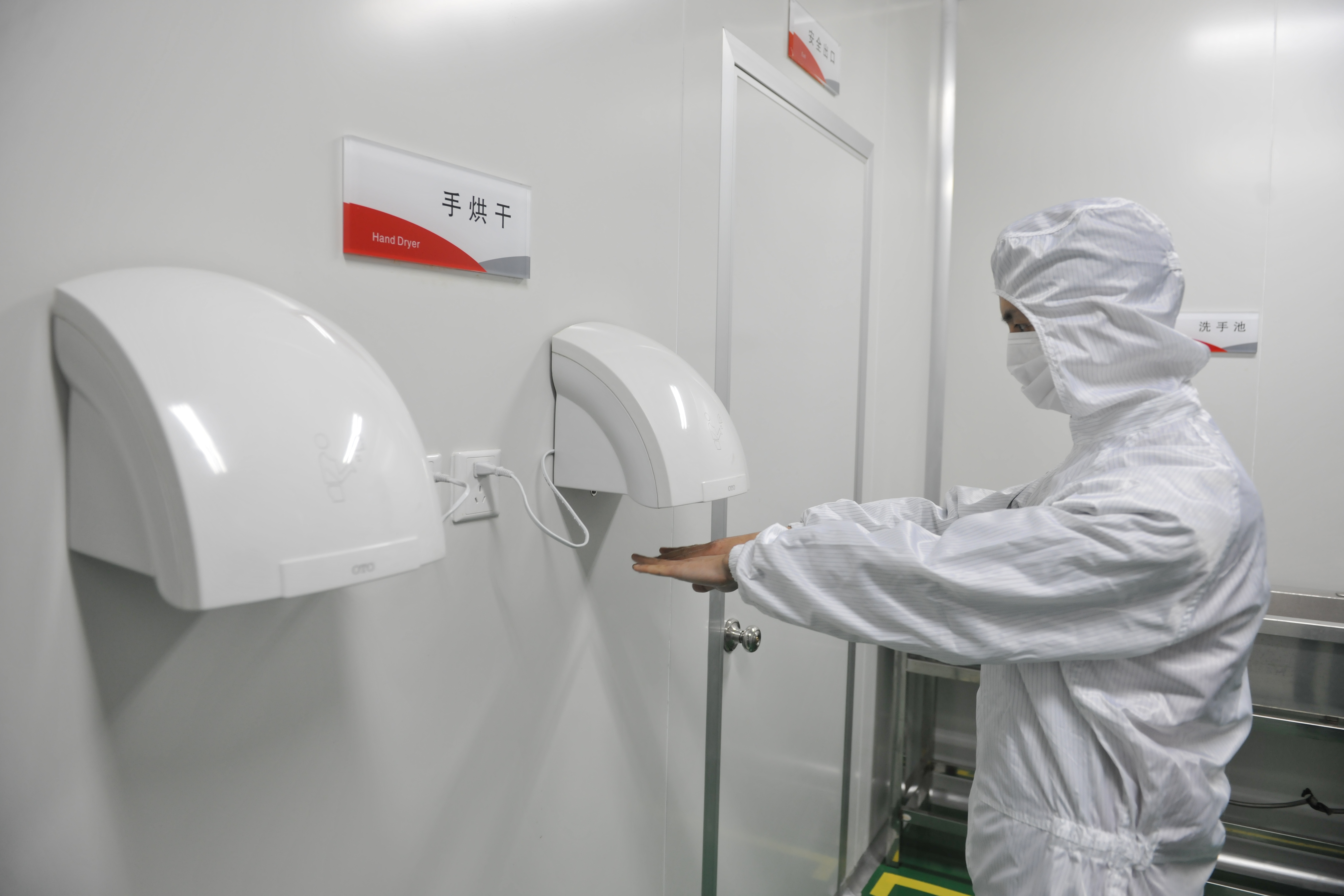
Production base in the Quanzhou hygiene cluster: 35,000+ square meters, 350–500 employees, 650 million+ pieces per year.
How bio-based construction supports hot-climate compliance and performance
In markets with sustained heat and humidity — Malaysia, Vietnam, Thailand, Singapore, Turkey, the UAE, Senegal, Nigeria — two failure modes dominate field complaints: the pad feels occlusive against skin, and stock arrives compromised by moisture. The bio-film backsheet addresses the first by allowing a 40% higher airflow than a standard PE backsheet. The packaging system addresses the second through multi-layer packaging with sealed high-barrier film packing. Neither substitutes for the other, and both belong in the same specification document.
Compliance is the third element. Family Cares Group operates under ISO 9001 certification, and its products are documented as adhering to FDA, CE and GOTS standards. FDA registration is treated in buyer compliance files as a baseline safety marker rather than a performance claim: it signals that the product file has been prepared for a regulated market, not that the pad breathes better. Where a compostability or biodegradability claim is intended for the retail pack, EN 13432 or ASTM D6400 certification — with 90% biodegradation within 6 months under industrial conditions — is the evidence that supports the wording.
Correcting the four myths with construction facts
Leakage: the zero-leakage batch guarantee comes from 100% on-line visual inspection with real-time quality data tracking, not from an impermeable backsheet. Absorption speed: the 2x faster liquid absorption figure belongs to the advanced bio-absorbent core, so “bio” and “slow” are not linked in the construction data. Heavy flow: the bio-absorbent core is specified for heavy flow and overnight protection because of absorption speed and reduced core material waste, not because of added thickness. Verification: airflow, absorption speed, inspection regime and capacity are all stated relative to a named reference construction, which is what makes them auditable in a supplier review.
Step-by-Step Breakdown: How a Buyer Specifies Breathability Without Guessing
The sequence below converts the layer discussion into a sourcing workflow that a distributor, private-label owner or care-programme procurement team can run in order.
- Define the climate and use envelope first. State average temperature and humidity of the destination market, the intended absorbency tier (regular, heavy flow, overnight) and whether the SKU is retail, postpartum care or institutional. This decides whether the bio-film backsheet is a requirement or an upgrade.
- Specify by layer function, not by GSM alone. Write separate lines for topsheet, acquisition layer, core type, backsheet chemistry and pack format. A single GSM figure describes weight, not airflow.
- Request backsheet airflow evidence. Ask for the delta against a named reference: 40% more airflow than standard PE-backsheet products, with superior skin-breathability, is a statement that can be checked against a reference SKU.
- Verify the core claim separately. 2x faster liquid absorption versus standard SAP/pulp cores refers to the advanced bio-absorbent core. Confirm which SKU carries it before approving artwork that implies it across an entire range.
- Audit the inspection regime. Ask how the zero-leakage batch guarantee is produced. The answer should be 100% on-line visual inspection with real-time quality data tracking, not end-of-line sampling.
- Assemble the compliance file. ISO 9001 for the operation, FDA, CE and GOTS adherence for the product, and EN 13432 or ASTM D6400 certification if a compostability claim appears on pack.
- Confirm packaging moisture control. Multi-layer packaging with sealed high-barrier film packing is the control for moisture risk during ocean freight and warehousing — the risk that is most often mistaken for a breathability problem.
- Lock capacity, then commercials. Confirm daily capacity (1.8 million pieces) and the production buffer created by multiple high-speed lines, then move to MOQ, prototype timing and pricing.
Steps 3 and 4 are where most briefs break down. A buyer approves a bio-based story but specifies it against a standard construction, and the sample that arrives cannot be compared to anything. Running the two claims as separate specification lines keeps the comparison honest.
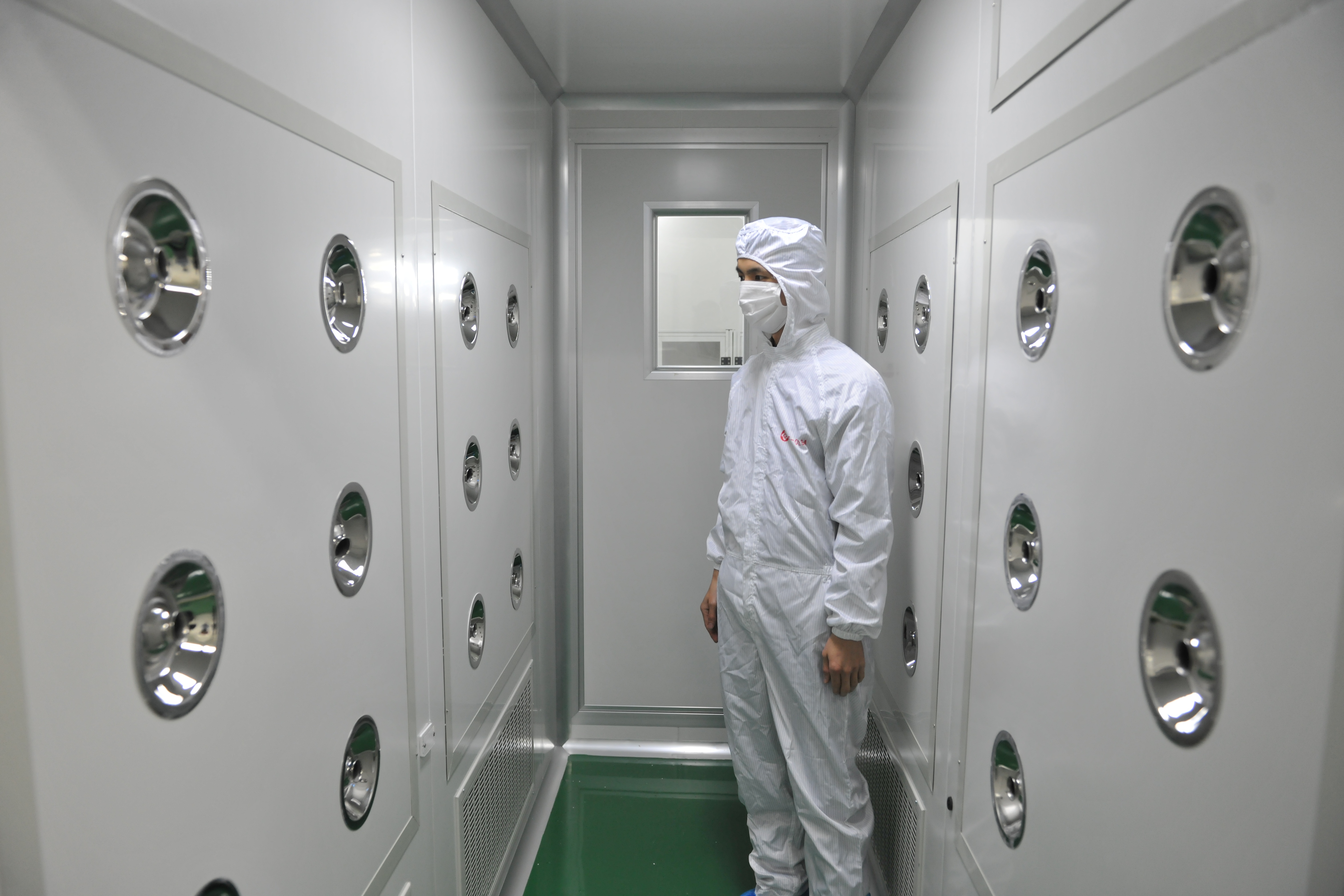
On-line inspection and material handling: 100% on-line visual inspection supports the zero-leakage batch guarantee for premium and medical-grade orders.
Use Cases: Where the Bio-Film Decision Actually Changes the Outcome
Hot and humid retail markets. For distributors in Southeast Asia, the Middle East and West Africa, the 40% airflow increase over standard PE backsheets is the difference between a pad that can be sold on comfort and one that is sold only on price. The Premium Econivia construction fits this case; the FC-Standard Series remains the volume tier for value channels in the same market.
Heavy flow and overnight ranges. The advanced bio-absorbent core is specified for heavy flow and overnight protection on the strength of 2x faster liquid absorption versus standard SAP/pulp cores, with reduced material waste and a simplified product structure. For a retailer building a “night” SKU, this is a defensible technical claim rather than a thickness claim.
Premium eco retail in Europe and North America. Here the bio-film backsheet carries two jobs: a comfort benefit in use and a shelf story that supports higher margins and sustainable supply chain branding. Because the material cost is higher, this tier only works where the retail price supports it — which is exactly the segmentation the two lines are designed to make explicit.
Postpartum and maternity care programmes. Care buyers evaluate absorption speed and containment under heavier, less predictable flow. The bio-absorbent core's absorption profile, combined with the zero-leakage batch guarantee from 100% on-line visual inspection, addresses both the clinical and the reputational risk of a failure in a care setting.
New private-label launches. A brand testing a bio-film SKU does not want to commit to a full container before the concept is validated. Flexible OEM customisation delivers 50% faster prototype design and a lower MOQ for new SKU testing than a rigid large-scale factory — which is why the bio-film tier is often entered through a small first order rather than a full programme.
Comparison Table: FC-Standard Series vs. Premium Econivia
| Parameter | FC-Standard Series | Premium Econivia |
|---|---|---|
| Backsheet chemistry | Standard PE-type backsheet | Plant-based bio-film backsheet |
| Airflow | Reference baseline | 40% increase versus standard PE-backsheet products |
| Skin-breathability | Reference baseline | Superior skin-breathability |
| Absorbent core | Standard SAP/pulp core | Advanced bio-absorbent core |
| Liquid absorption speed | Reference baseline | 2x faster liquid absorption |
| Core material use | Reference baseline | Reduced material waste in core; simplified product structure |
| Cost and margin profile | Lower material cost; volume-driven pricing | Higher material cost, higher margins |
| Best-fit market | Volume retail and supermarket programmes | Premium eco-friendly markets |
| Quality control regime | 100% on-line visual inspection; zero-leakage batch guarantee; real-time quality data tracking | 100% on-line visual inspection; zero-leakage batch guarantee; real-time quality data tracking |
| Production consistency | 99.9% on high-speed automated lines (1.8M pieces/day) | 99.9% on high-speed automated lines (1.8M pieces/day) |
| Compliance basis | ISO 9001 operation; FDA, CE and GOTS adherence | ISO 9001 operation; FDA, CE and GOTS adherence; EN 13432 / ASTM D6400 evidence where compostability is claimed |
Table notes: comparisons are stated against the named reference construction (standard PE-backsheet products and standard SAP/pulp cores). Line-level specifications are confirmed per SKU in the technical datasheet. EN 13432 and ASTM D6400 require 90% biodegradation within 6 months under industrial conditions and apply to the certified article, not to the material category.
FAQ
1. Does a breathable bio-film backsheet change the compliance position of a disposable sanitary napkin?
No. The backsheet is a construction change, not a regulatory status. Family Cares Group operates under ISO 9001 certification, and its products are documented as adhering to FDA, CE and GOTS standards. FDA registration functions as a baseline safety marker in the buyer's compliance file, alongside the CE and GOTS documentation. If a compostability or biodegradability claim is intended for the retail pack, that claim needs its own evidence: EN 13432 in Europe or ASTM D6400 in North America, each requiring 90% biodegradation within 6 months under industrial conditions.
2. How much breathability does the bio-film actually add, and does it weaken leakage protection?
Compared with standard PE-backsheet products, the plant-based bio-film backsheet provides a 40% increase in airflow and superior skin-breathability. Leakage protection is handled by a different part of the construction: the advanced bio-absorbent core provides 2x faster liquid absorption than standard SAP/pulp cores, and every batch runs through 100% on-line visual inspection with real-time quality data tracking under a zero-leakage batch guarantee. Breathability and containment are separate design problems, which is why the Premium Econivia line improves both rather than trading one for the other.
3. What does the bio-film option cost compared with the FC-Standard Series?
The bio-film backsheet carries a higher material cost than a standard PE backsheet, and the Premium Econivia line is positioned accordingly: it is designed for premium eco-friendly markets where higher material cost is recovered through higher margins and sustainable supply chain branding. Part of that cost is offset inside the core, where reduced material waste and a simplified product structure lower material consumption. Because Family Cares Group operates with direct factory control — no middleman commission and 100% supply chain transparency — pricing sits 15%–20% below what traditional trading companies quote for comparable programmes. Final cost depends on SKU, core specification and volume.
4. Can a buyer validate the bio-film construction before committing to a full order?
Yes. Flexible OEM customisation shortens prototype design by 50% compared with rigid large-scale factory workflows, and it supports a lower MOQ for new SKU testing, which allows a distributor or private-label owner to validate a bio-film SKU before scaling. The validation should cover four points: backsheet airflow against a named reference, core absorption speed where the bio-absorbent core is specified, pack integrity for moisture control, and the compliance file. Sample requests and specification review can be raised through Family Cares Group.
5. What production capacity and lead-time protection sit behind these lines?
Family Cares Group operates multiple high-speed automated production lines with a daily capacity exceeding 1.8 million pieces and annual output above 650 million pieces, delivering 99.9% product consistency and lower unit cost through mass production. Lead-time delay is managed as a defined risk through a production buffer created by multiple high-speed line backups, and moisture risk is controlled through multi-layer packaging with sealed high-barrier film packing. Orders are supported by 24/7 technical support and end-to-end logistics handling, including 40HQ container optimisation.
Next step: put the breathability claim on a datasheet, not on a slide
Ecolivia and Family Cares Group supply the FC-Standard Series and Premium Econivia lines to distributors, private-label owners and care programmes in 85%–90% export markets. Sample kits, line datasheets and quotation for bio-film and conventional constructions are available on request.
Email: admin@family-cares.com | WhatsApp / Tel: +86 13805968557 | www.family-cares.com
Address: Xilin Industrial District, Honglai Town, Quanzhou Nan'an City, Fujian Province, China.
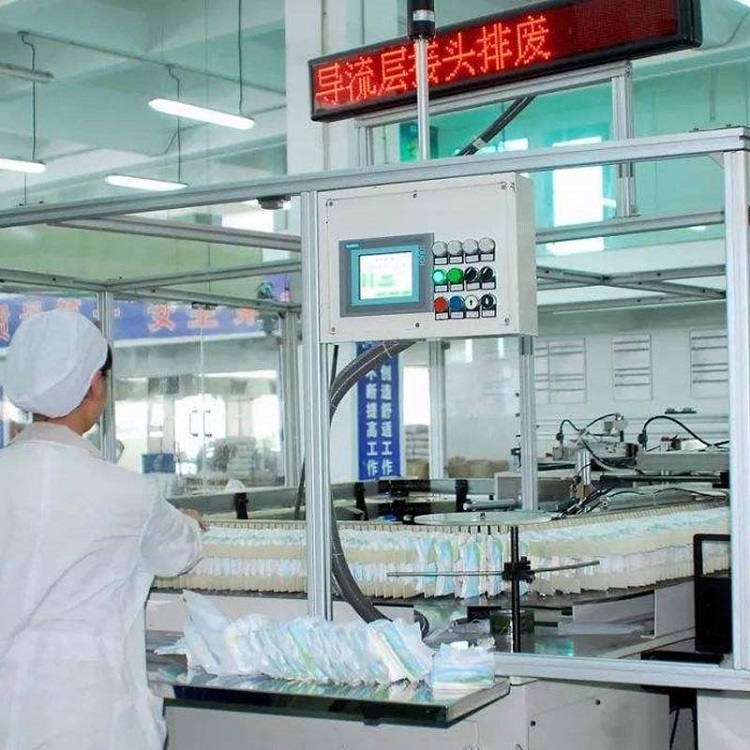
Multiple high-speed automated lines deliver 1.8 million pieces per day and act as the production buffer against lead-time delay.
Conclusion: Buy Breathability as a Parameter, Not as a Claim
The breathability debate in disposable sanitary napkins resolves into three decision rules. First, treat airflow as a backsheet parameter with a named reference — 40% more airflow than standard PE-backsheet products — and write it into the specification next to GSM and core weight. Second, separate the core claim from the film claim: 2x faster liquid absorption belongs to the advanced bio-absorbent core, and it is the reason heavy-flow and overnight ranges can be defended without adding thickness. Third, keep compliance and commerce in their own columns: FDA, CE and GOTS adherence plus ISO 9001 describe the regulatory position, while EN 13432 or ASTM D6400 describes a compostability claim, and neither should be used as a comfort argument.
For hot, humid markets the split between the FC-Standard Series and Premium Econivia is therefore a positioning decision rather than a quality hierarchy. The FC-Standard Series remains the volume tier: conventional construction, 99.9% consistency, 1.8 million pieces per day and a lower unit cost achieved through mass production. The Premium Econivia line is the differentiation tier: bio-film backsheet for breathability, bio-absorbent core for absorption speed, higher material cost and higher margins, and a defensible position in premium eco-friendly markets where the shelf story has to match the product inside the pack.
Have Questions or Need More Details?
Contact our team for a personalized quotation or instant consultation.
Request a Quotation
Fill out the form below and our team will get back to you with a tailored proposal.
WhatsApp Direct Chat
Prefer to chat in real-time? Message us on WhatsApp for instant assistance & quick answers.
- Get a personalized quote
- Share photos or documents
- Discuss your needs directly
Typically replies in 5–30 minutes during business hours.