
Inside the Pad: Disposable Sanitary Napkin Raw Materials Explained for B2B Buyers
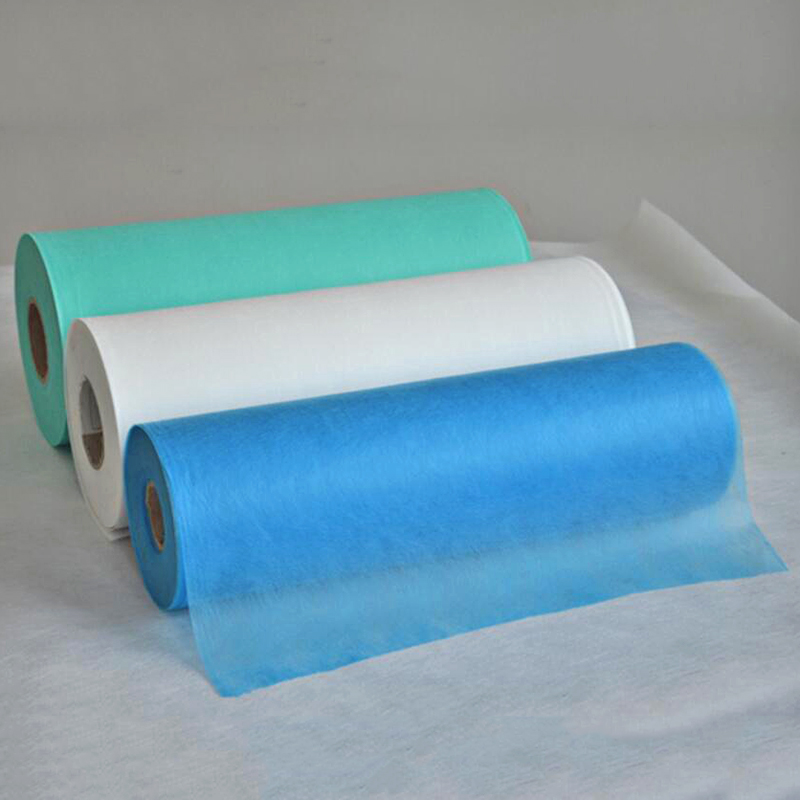
A disposable sanitary napkin is not one material. It is a five-group composite: a non-woven top sheet, an acquisition and distribution layer, an absorbent core built on super absorbent polymer (SAP) or an advanced bio-based core, a breathable backsheet film, and the construction adhesives, release paper and packaging that hold the finished product together. For B2B buyers, distributors and brand owners, every one of those groups carries its own specification, certification scope, minimum order quantity and lead time. That is why the question "what is it made of" belongs at the beginning of a sourcing project, not at the end of it.
Family Cares Group (Xiamen) is an integrated manufacturing and supply chain group specializing in high-performance hygiene and medical materials, with its global sales and R&D hub in Xiamen and manufacturing bases in the hygiene industrial cluster of Quanzhou, China. Ecolivia is the group's bio-based disposable sanitary napkin line, covering pad and menstrual pants formats. The same group also supplies hygiene raw materials such as non-woven fabrics, bio-film layers and elastic materials to converter factories. That dual position, as both a raw material supplier and a finished-goods OEM/ODM manufacturer, is why this guide can be specific about composition instead of generic about "quality".
Why "What Is It Made Of?" Is a Procurement Question, Not a Chemistry Lesson
Material composition is the point at which commercial risk enters a purchase order. Absorbency, thickness, skin comfort, leak protection, biodegradability claims, packaging weight, container utilisation and even shelf presentation all trace back to the bill of materials. Two pads with the same length and the same retail positioning can behave completely differently if one uses a 40gsm hot-air non-woven top sheet and the other uses a lighter spunbond grade.
In practice, buyers meet three recurring failure modes:
- Silent material substitution. A supplier keeps the quoted price but changes the non-woven grade, the pulp source or the SAP loading. The finished pad still looks similar on the shelf, while softness, fluid transfer speed and thickness have all moved.
- Certification scope gaps. A certificate can cover a factory management system without automatically covering a specific SKU, a specific material input or a specific destination market. Buyers who treat one certificate as a universal passport discover the gap at customs or at retail listing stage.
- Unanchored performance claims. "Ultra-thin high-absorbency" means little until the core architecture, the absorbency class and the pad length are written into the specification. The same applies to "eco-friendly" and "biodegradable".
For a distributor, those three gaps do not stay inside the factory. They surface as returns, complaint handling, marketing claims that cannot be defended, and re-order delays. Treating composition as a specification exercise removes most of that exposure.
Industry Background: Material-Level Competition in the Sanitary Pad Market
The global sanitary pads market was valued at approximately USD 20.4 billion to USD 25.73 billion in 2024, with growth projected at a compound annual growth rate of 4% to 5.6% through 2034, according to research published by Kings Research, Expert Market Research and Vertex AI Search summaries. The spread between those two 2024 base-year estimates is itself a useful reminder for buyers: market-level numbers are directional, while material specifications are precise.
Supply is heavily concentrated in China, which is the world's leading exporter of sanitary pads (HS code 961900), with export values reaching approximately USD 3.3 billion to USD 3.59 billion in 2024 according to OEC, WITS and General Administration of Customs China data. For importers, that concentration is an advantage in cost terms and a risk in qualification terms, because it increases the importance of factory-level verification rather than brand-level reassurance.
The fastest-moving material stories sit in the eco segment. The biodegradable sanitary napkins market was valued at USD 2.43 billion in 2023 and is projected to reach USD 8.54 billion by 2030, a 20.1% CAGR, according to Mark & Spark Solutions. Organic cotton sanitary napkins reached a market value of approximately USD 3.95 billion in 2025, driven by consumer preference for hypoallergenic and chemical-free products, according to Providence Strategic Partners. Growth at that rate puts pressure on material availability, documentation quality and core engineering, not just on marketing.
At the top of the category, Procter & Gamble (Always) and Kimberly-Clark (Kotex) remain the leading global manufacturers, and Always introduced Flexfoam technology in 2025 to target on-the-go portability, according to Expert Market Research and IMARC Group. The takeaway for independent brands is structural rather than competitive: the largest players compete by engineering the absorbent core, which is precisely the layer an OEM/ODM partner can help a smaller brand control.
Compliance is the other background force. Certified compostable sanitary napkins must adhere to European standard EN 13432 or North American ASTM D6400, requiring 90% biodegradation within six months under industrial conditions, according to TÜV SÜD and European Bioplastics. Buyers who intend to market a "90% biodegradable" pad should therefore plan for documentation at material and finished-SKU level from the start.
The Five Material Groups Inside a Disposable Sanitary Napkin
1. Top Sheet: Non-Woven Fabric in the 10gsm to 80gsm Range
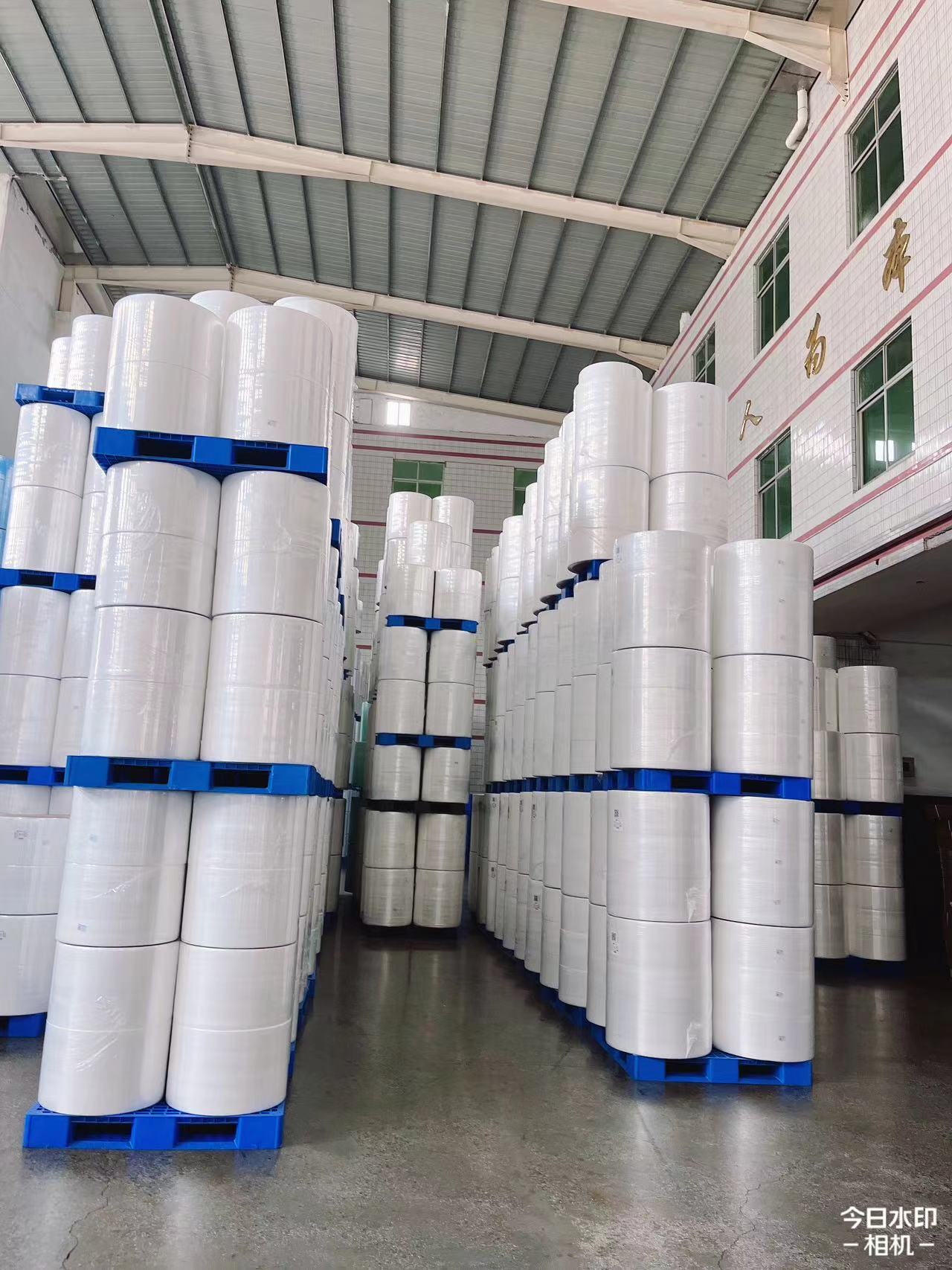
The top sheet is the layer in direct contact with skin, and it is almost always a non-woven fabric. Family Cares Group supplies hygiene raw materials in this category as a Non-woven Fabric line with a gram weight range of 10gsm to 80gsm, in polypropylene (PP), spunbond and hot-air constructions, with width customizable per production line. GSM selection is the single most consequential surface decision: lower gram weights support thinner pads, while higher gram weights and lofted hot-air structures deliver a softer, drier-feeling surface at the cost of product thickness.
2. Acquisition and Distribution: Moving Fluid Before It Pools
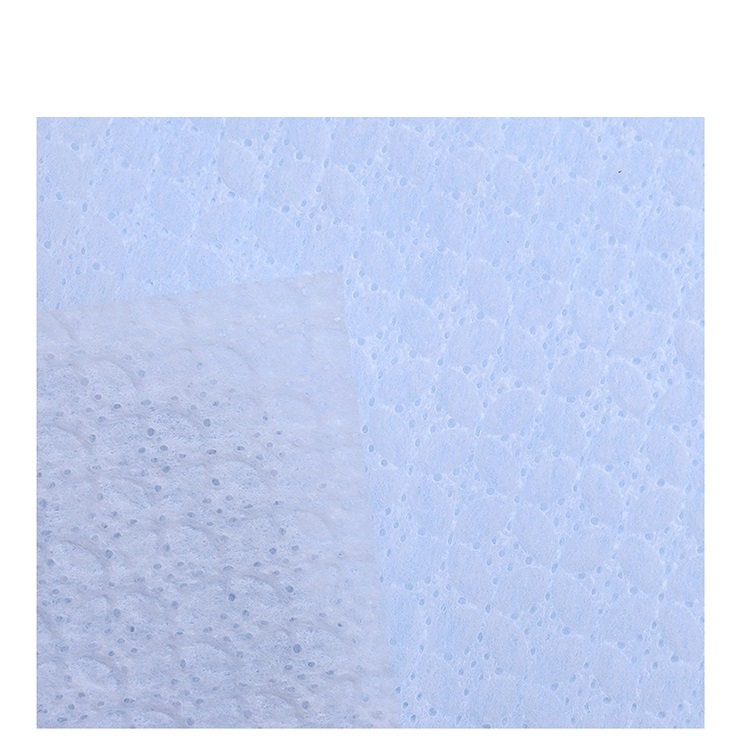
Between the surface and the core sits the acquisition and distribution layer, whose job is to pull fluid away from the top sheet quickly and spread it along the core instead of letting it concentrate in one spot. This is where material engineering shows up commercially: distribution performance is one of the main reasons two pads of identical length feel different during use. Within its Material R&D & Supply service, Family Cares Group lists nonwoven GSM, bio-film layers, spandex and magic tape among the customization parameters available to buyers.
3. Absorbent Core: SAP, Advanced Bio-Based Core, Organic Cotton and Bamboo Fiber
The absorbent core does the actual holding. Two families of construction are available from Family Cares Group:
- SAP-based cores appear in the FC-Standard Series disposable sanitary napkins, offered in 240mm, 285mm, 330mm and 410mm lengths with a high-speed absorption core, built from non-woven fabric, SAP and a breathable bio-film backsheet. This is the conventional architecture for mass-market, wholesale and supermarket distribution.
- Advanced bio-based cores appear in the Ecolivia-Bio Series, which covers a 155mm to 450mm full range with customizable absorbency classes (high, super and night) and uses organic cotton, bamboo fiber or an advanced bio-based core. The Ecolivia-Premium Series adds box-packed boutique formats from 240mm to 450mm with absorbency tailored for sensitive skin.
Core chemistry is also where third-party market data meets factory reality. In a documented Malaysian program, a leading regional FMCG brand shipping 2 to 3 x 40HQ containers per month over more than three years successfully integrated Advanced Bio-based Core technology to replace standard SAP, alongside high-end organic cotton sanitary napkins and menstrual pants.
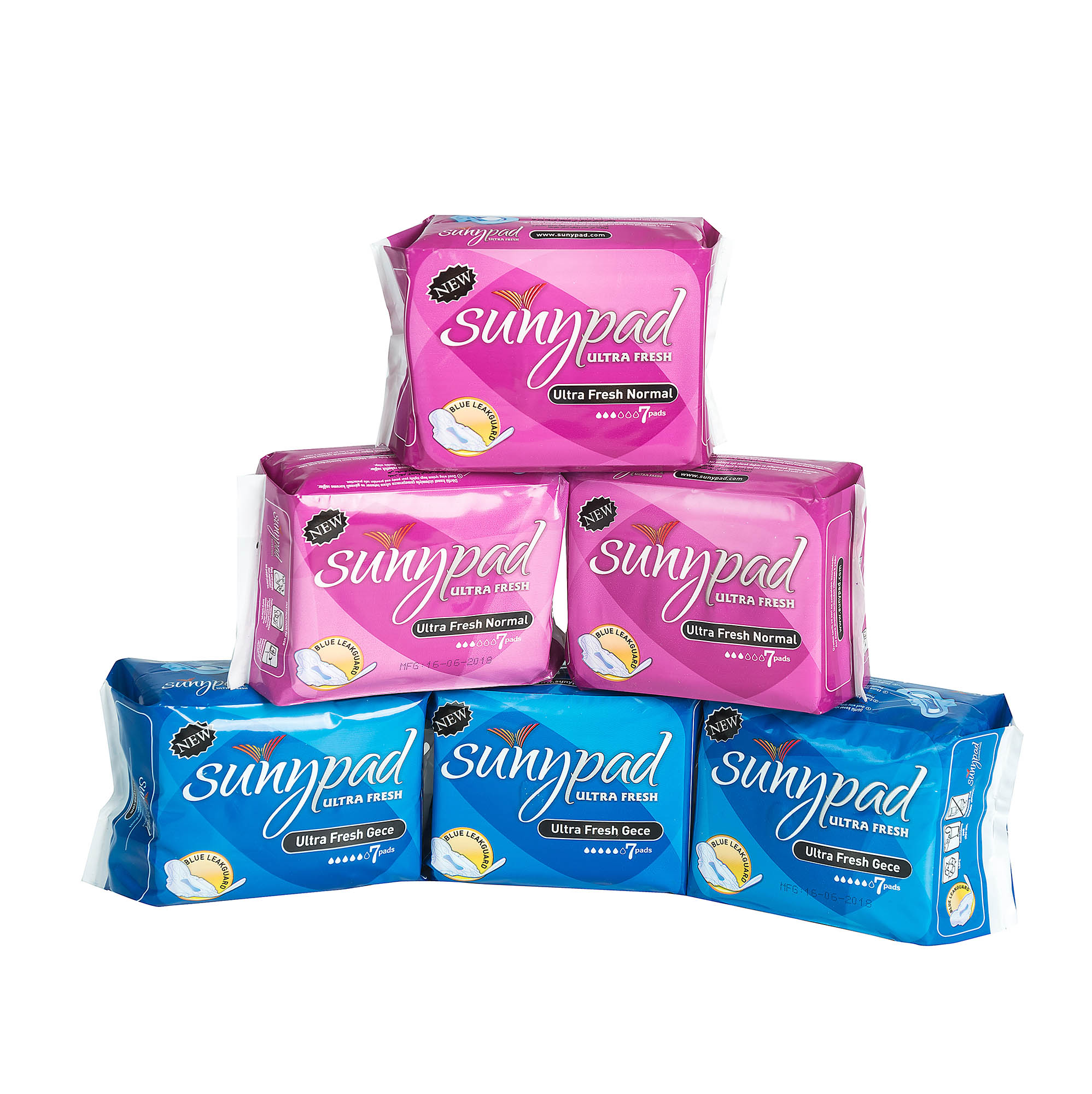
Wood pulp and cotton sourcing sit inside the same decision. Buyers who need FSC-certified pulp or GOTS-specified organic cotton should treat those as named inputs in the specification, not as marketing adjectives, because they change supplier qualification and documentation requirements.
4. Backsheet: Breathable Bio-Film
The backsheet is the barrier layer. In the FC-Standard Series it is specified as a breathable bio-film, which allows vapour to escape while blocking liquid. Breathability affects comfort perception and heat build-up, and it is one of the parameters Family Cares Group lists under bio-film layer customization. For brands making plastic-reduction claims, the backsheet and the packaging film are usually the two line items that decide whether the claim can be substantiated.
5. Leak Guards, Adhesives, Release Paper and Packaging
Construction materials rarely appear in marketing copy but frequently cause complaints. Elasticated fit and leak-guard geometry belong here: Family Cares Group applies 3D Leak Guard construction within its absorbent product lines, and its FC-Pants Series disposable menstrual pants use an ultra-soft non-woven surface, an advanced bio-based absorbent core and an elastic waistband in M-L and L-XL sizes covering a 60-120cm waist range, with 150ml to 300ml customizable absorbency.
Packaging is the fifth group's most visible element. The group's boutique OEM application for high-end retail uses FSC-certified paper boxes with UV and foil printing and low MOQ for new SKU testing, while its FMCG retail application specifies GOTS and FSC certified materials and a 100% fluorescent-free requirement for eco-positioned menstrual brands.
| Layer | Material options and specifications (source: Family Cares Group) | Function | What to lock in the purchase order |
|---|---|---|---|
| Top sheet | Non-woven fabric, 10gsm-80gsm, PP / spunbond / hot air, customizable width | Skin contact, fluid intake, softness | Exact GSM, construction type, tensile strength consistency |
| Acquisition / distribution | Non-woven and bio-film layers, customizable | Fast fluid transfer, prevents pooling | Layer structure drawing, transfer rate target |
| Absorbent core | SAP core (FC-Standard Series); advanced bio-based core with organic cotton or bamboo fiber (Ecolivia-Bio Series) | Fluid retention and absorbency class | Core chemistry, absorbency class (high / super / night), pad length 155mm-450mm or 240mm-410mm |
| Backsheet | Breathable bio-film | Liquid barrier with vapour transmission | Bio-film specification, breathability, plastic-reduction claim wording |
| Construction and packaging | 3D Leak Guard geometry, elastic waistband (FC-Pants, 60-120cm waist), FSC-certified paper boxes, UV / foil printing | Fit, leak control, shelf presence | Leak-guard design, packaging certification, printing specification |
Certification and Specification Constraints That Decide Whether a Program Ships
For a constraint-driven purchase, certification scope is as important as the certificate itself. Buyers should verify three levels: the management system, the market access registration, and the material-level documentation.
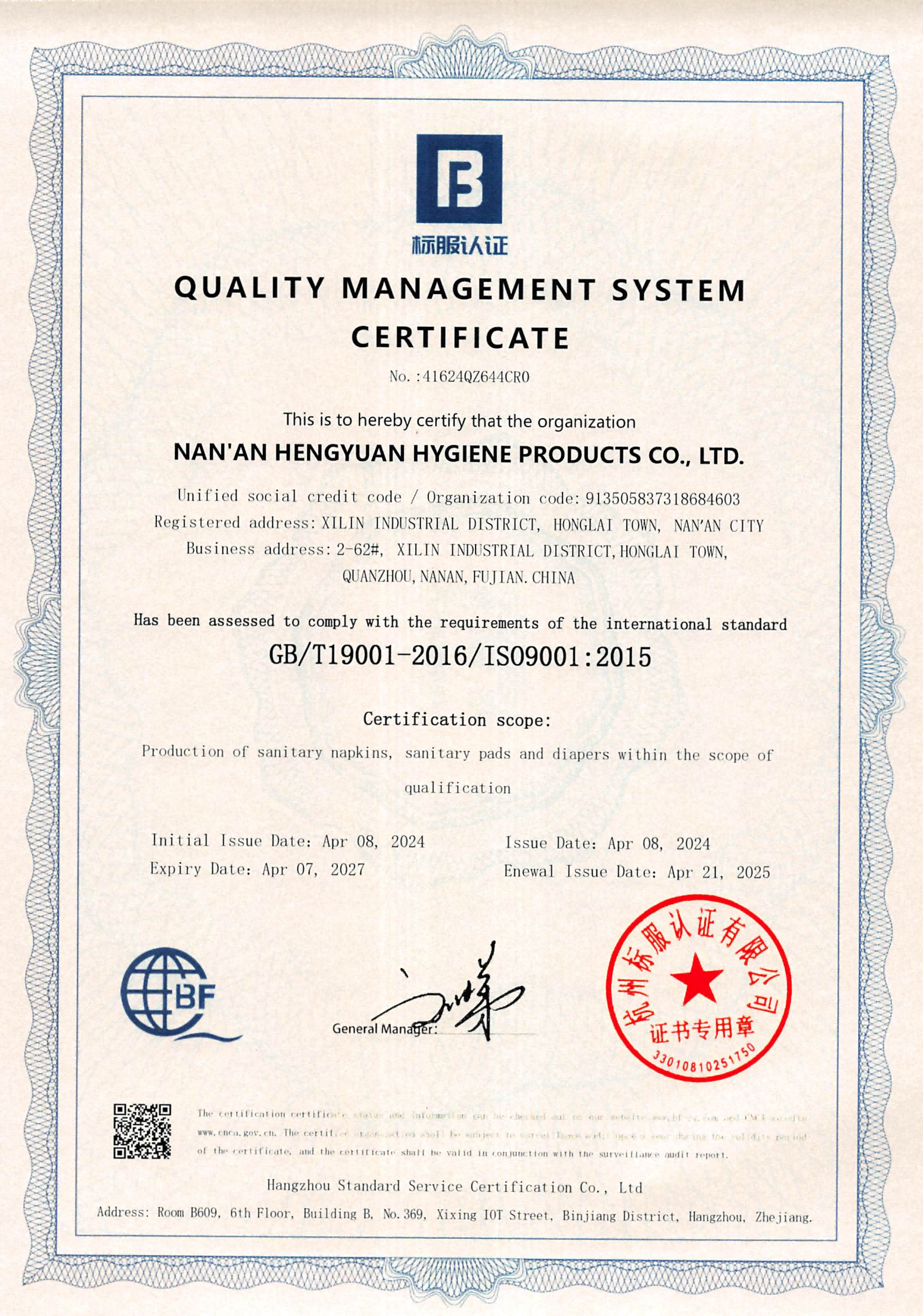
- Management system. Family Cares Group holds ISO 9001:2015 certification number 41624QZ644CR0, issued by CQC / IQNet, valid until 7 April 2027, applicable to the design, manufacturing and sales of hygiene and medical materials.
- US market access. The FDA Establishment Registration number 3005078659 is issued by the U.S. FDA under 21 CFR Part 807, and its scope includes sanitary napkin, panty liner and menstrual pad among other listed products. The registration record carries an expiry date of 31 December 2026.
- European market access. CE Marking (MDR) documentation referencing EN 14683 and EN ISO 10993, with SGS / TUV recorded as the issuing authority, is valid from 31 May 2022 to 30 May 2027 and its stated scope covers adult incontinence care, adult diaper and underpad for the European Union / EEA.
- Material-level inputs. Organic cotton programs are specified against GOTS, and FSC-certified paper is used for box packaging, matching the GOTS / FSC and 100% fluorescent-free requirements applied in the group's FMCG retail application.
Buyer note on eco-claims. Compostability is a documented claim, not a material name. EN 13432 (Europe) and ASTM D6400 (North America) require 90% biodegradation within six months under industrial conditions. Request evidence tied to the specific finished SKU and the specific market, in addition to raw material data sheets.
Material Options Compared: Conventional, Bio-Based, Organic Cotton and Bamboo
The table below compares the four material routes available across the group's disposable sanitary napkin ranges. It is a specification comparison, not a ranking of consumer preference: the right answer depends on the absorbency class, the retail channel and the documentation the brand intends to publish.
| Material route | Where it is used | Typical specification (Family Cares Group) | Best suited to | Buyer consideration |
|---|---|---|---|---|
| Conventional SAP core with non-woven surface | FC-Standard Series disposable sanitary napkins | 240mm / 285mm / 330mm / 410mm; non-woven fabric + SAP + breathable bio-film; high-speed absorption core | Mass-market retail, wholesale, B2B distribution, supermarkets | Lowest structural complexity; easiest to scale; eco claims limited to backsheet and packaging choices |
| Advanced bio-based absorbent core | Ecolivia-Bio Series; FC-Pants Series menstrual pants | 155mm-450mm full range; absorbency customizable (high / super / night); bio-based core technology | Eco-positioned brands, distributors under sustainability mandates | Proven substitution path: a regional FMCG brand integrated Advanced Bio-based Core to replace standard SAP |
| Organic cotton surface | Ecolivia-Bio and Ecolivia-Premium Series | Organic cotton combined with advanced bio-based core; boutique formats 240mm-450mm | Sensitive-skin positioning, premium retail, subscription boxes | Specify GOTS against the cotton input and confirm it in writing |
| Bamboo fiber surface | Ecolivia-Bio and Ecolivia-Premium Series | Bamboo fiber with advanced bio-based core; boutique box packaging available | Brands differentiating on plant-based materials | Confirm fiber origin documentation and how the claim will be worded on pack |
Second-party market context supports the direction without replacing specification work: the biodegradable segment is projected to grow at a 20.1% CAGR to 2030, and organic cotton pads reached approximately USD 3.95 billion in 2025. Neither figure tells a buyer which core to order, but both explain why material documentation is becoming a standard line item in procurement checklists.
Sourcing Models Compared: Raw Material Supply, OEM/ODM Production and Logistics
Once the materials are defined, the next constraint question is which production model covers them. Family Cares Group operates three modes, and they can be combined inside a single program.
| Production mode | Monthly capacity | Customization scope | MOQ | Lead time | Quality control and after-sales |
|---|---|---|---|---|---|
| Material R&D & Supply | 1,600+ tons | Nonwoven GSM, bio-film layers, spandex, magic tape | 2 tons / 1x40GP (depending on material) | 7-14 days | Batch COA reports; sample testing support |
| OEM/ODM Manufacturing | 54 million+ pieces | Brand and logo, sizing, bio-based core structure, packaging | 1 x 20GP (negotiable for start-up brands) | 15-25 days | 100% on-line visual inspection + in-house lab QC; 24/7 technical support; quality traceability |
| Supply Chain & Logistics | 30+ containers (40HQ) | Shipping mode, consolidation, customs clearance support | Not applicable | 3-5 days (treatment date) | Pre-shipment Loading Inspection (PSI); real-time tracking; documentation and compliance support |
These three modes explain a buying pattern that is common in eco-positioned programs: a brand buys non-woven fabric or bio-film material from the group for its own converting lines, or alternatively hands the whole pad to the OEM/ODM operation. The company behind both is a 35,000+ square metre operation with 350-500 employees, 25+ professional engineers, annual output of 650 million+ pieces and a daily capacity exceeding 1.8 million pieces, exporting 85%-90% of production to North America (USA, Canada), Europe (UK, Germany, France), Southeast Asia (Malaysia, Vietnam, Thailand, Singapore), CIS markets (Russia, Uzbekistan, Kazakhstan), the Middle East (Turkey, UAE) and Africa (Senegal, Nigeria).
Step-by-Step: How to Specify Hygiene Raw Materials for a New Sanitary Napkin SKU
Step 1 - Define the performance target before talking about materials. Decide the absorbency class (regular, high, super or night), the pad length family (the Ecolivia-Bio Series spans 155mm to 450mm, and the FC-Standard Series covers 240mm, 285mm, 330mm and 410mm), the thickness ceiling and the retail channel. These four inputs eliminate most material combinations immediately.
Step 2 - Choose the core chemistry. Standard SAP cores deliver a well-understood performance profile for mass-market retail, while advanced bio-based cores support eco-positioned brands. Where sustainability is a market requirement rather than a preference, confirm the substitution path in a pilot batch rather than assuming equivalence.
Step 3 - Set the non-woven GSM and construction. Work within the 10gsm to 80gsm range and specify construction type (spunbond or hot air) plus a tensile strength consistency requirement. Consistent GSM is what stabilises surface quality on high-speed production lines and prevents batch-to-batch variation in feel.
Step 4 - Decide the surface fiber and hypoallergenic positioning. Standard non-woven, GOTS-specified organic cotton and bamboo fiber are the three practical routes. Boutique and sensitive-skin lines typically pair organic cotton or bamboo fiber with boutique box packaging at 240mm to 450mm lengths.
Step 5 - Confirm the backsheet and packaging specification. Breathable bio-film for the backsheet; FSC-certified paper for box formats; and, where the brand claims a chemical-conscious product, a fluorescent-free requirement on the surface materials.
Step 6 - Verify certification scope against the exact SKU and market. Check ISO 9001:2015 (41624QZ644CR0) for the management system, FDA Establishment Registration (3005078659) for the US market, CE Marking (MDR) documentation for its stated EU scope, and GOTS or FSC for named material inputs. Confirm that the scope wording matches the product you are ordering.
Step 7 - Validate, then scale. Request batch COA reports and sample testing support for materials, run a pilot batch under in-house lab QC, then move to volume against the published MOQ and lead-time figures: 2 tons or 1x40GP and 7-14 days for materials, 1 x 20GP and 15-25 days for OEM/ODM production, with 3-5 days for shipment treatment once goods are ready.
Use Cases: How Different Buyers Combine These Materials
- Premium e-commerce and subscription brand (Germany). A boutique operator ships over 500,000 units per batch on a monthly recurring basis, using tailored organic cotton pads in luxury retail gift boxes. The program has run for three years and supported the client's transition to 100% plastic-free packaging, using high-capacity automated box-packing lines and zero-defect quality control for premium retail standards.
- Regional FMCG brand (Malaysia). Shipping 2 to 3 x 40HQ containers per month for more than three years, this brand uses high-end organic cotton sanitary napkins and menstrual pants and integrated Advanced Bio-based Core technology in place of standard SAP. The material shift supported annual sales growth of 25% in Southeast Asia.
- Sanitary product manufacturer buying raw materials (Uzbekistan). A converter plant takes 500+ tons of non-woven fabric annually, with GSMs and roll diameters customised to fit high-speed Italian machinery. Over a four-year relationship, material consistency contributed to a 15% reduction in production downtime.
- Distributors and wholesale programs. The FC-Standard Series in 240mm, 285mm, 330mm and 410mm supports supermarket, wholesale and B2B distribution channels where consistent replenishment matters more than premium positioning.
- Heavy-flow, overnight and postpartum users. Longer 330mm and 410mm pads and the FC-Pants Series menstrual pants (M-L and L-XL, 60-120cm waist, 150ml to 300ml customizable absorbency) cover overnight and maternity care needs within the same material system.
- Boutique and gift-box retail (Middle East). High-end organic brands use boutique OEM and custom packaging design with FSC-certified paper boxes, UV and foil printing, and low MOQ for new SKU testing.
FAQ: Hygiene Raw Materials and Disposable Sanitary Napkin Sourcing
Which certifications should a buyer verify before ordering disposable sanitary napkins or their raw materials?
Verify three levels. For the management system, Family Cares Group holds ISO 9001:2015 certification number 41624QZ644CR0, issued by CQC / IQNet and valid until 7 April 2027, covering the design, manufacturing and sales of hygiene and medical materials. For US market access, the FDA Establishment Registration number 3005078659 is issued by the U.S. FDA under 21 CFR Part 807 and lists sanitary napkin, panty liner and menstrual pad within its scope. For material inputs, organic cotton programs are specified against GOTS and FSC-certified paper is used in box packaging. Compostability claims should be checked against EN 13432 or ASTM D6400, which require 90% biodegradation within six months under industrial conditions.
Can one supplier cover both hygiene raw materials and finished disposable sanitary napkins?
Yes, when the supplier operates both a material business and a converting operation. Family Cares Group runs three production modes. Material R&D & Supply covers nonwoven GSM, bio-film layers, spandex and magic tape with a monthly capacity of 1,600+ tons. OEM/ODM Manufacturing covers brand and logo, sizing, bio-based core structure and packaging with a monthly capacity of 54 million+ pieces and quality control based on 100% on-line visual inspection plus in-house lab QC. Supply Chain & Logistics handles shipping mode, consolidation and customs clearance support across 30+ 40HQ containers per month. The group operates a 35,000+ square metre facility with 350-500 employees and 25+ professional engineers.
What drives the cost of a bio-based disposable sanitary napkin program?
Five variables dominate: core chemistry (standard SAP versus advanced bio-based core), surface fiber (standard non-woven versus GOTS-specified organic cotton or bamboo fiber), non-woven GSM within the 10gsm to 80gsm range, absorbency class and length (high, super or night across 155mm to 450mm), and packaging format such as flow pack versus FSC-certified boutique box. Order scale then interacts with MOQ tiers: material orders start at 2 tons or 1x40GP depending on the material, while OEM/ODM production starts at 1 x 20GP and is negotiable for start-up brands. Container utilisation and consolidation across a 30+ container monthly logistics lane also affect landed cost.
How can a buyer validate materials and absorbency before committing to bulk production?
Validation runs on three documents and one pilot. First, request batch COA reports for the incoming materials. Second, use the sample testing support included in the Material R&D & Supply service to check GSM, tensile strength and fluid behaviour. Third, confirm the quality-control method that will apply to production, which for OEM/ODM runs is 100% on-line visual inspection plus in-house lab QC. Then scale a pilot batch against a real reference point: a German premium e-commerce and subscription brand validated tailored organic cotton pads in luxury gift boxes at over 500,000 units per batch on a monthly recurring basis, with high-capacity automated box-packing lines and zero-defect quality control for premium retail standards.
What MOQs and lead times should be planned for raw materials versus finished pads?
Plan by mode. Raw material orders carry an MOQ of 2 tons or 1x40GP depending on the material, with a lead time of 7-14 days and batch COA reporting. Finished OEM/ODM production carries an MOQ of 1 x 20GP, negotiable for start-up brands, with a lead time of 15-25 days. Shipment treatment and documentation typically take 3-5 days once goods are ready, supported by pre-shipment loading inspection and real-time tracking across 30+ 40HQ containers per month. To map these figures to a specific SKU, request the current specification sheet and a sample kit from the team at admin@family-cares.com or via WhatsApp on +86 13805968557.
Conclusion: Composition Is the Specification
A disposable sanitary napkin is the sum of its material groups: non-woven surface, acquisition and distribution layer, absorbent core, breathable backsheet, and the construction and packaging materials around them. Buyers who specify each group explicitly, anchor eco-claims to standards such as EN 13432 or ASTM D6400, and verify certification scope down to the SKU level avoid the three most expensive problems in this category: silent substitution, scope gaps and indefensible claims.
Family Cares Group's Ecolivia range covers both a conventional SAP architecture in the FC-Standard Series and an advanced bio-based core in the Ecolivia-Bio Series across 155mm to 450mm, supported by ISO 9001:2015 certification, FDA Establishment Registration for the US market and a 650 million+ piece annual output. Buyers who need material supply and finished-goods manufacturing from one qualified source can compare specifications against those facts rather than against adjectives.

Next step for buyers and brand owners: send your target absorbency class, pad length, surface fiber preference and destination market to the Family Cares Group team, and request the Ecolivia-Bio Series sample kit together with the current material specification sheet.
Contact: Caffy | Email: admin@family-cares.com | WhatsApp: +86 13805968557 | Website: www.family-cares.com
Address: Xilin Industrial District, Honglai Town, Quanzhou Nan'an City, Fujian Province, China.
Have Questions or Need More Details?
Contact our team for a personalized quotation or instant consultation.
Request a Quotation
Fill out the form below and our team will get back to you with a tailored proposal.
WhatsApp Direct Chat
Prefer to chat in real-time? Message us on WhatsApp for instant assistance & quick answers.
- Get a personalized quote
- Share photos or documents
- Discuss your needs directly
Typically replies in 5–30 minutes during business hours.