
Sanitary Pads vs. Menstrual Pants: Which Format Should Your Retail Brand Prioritize?
Sanitary Pads vs. Menstrual Pants: Which Format Should Your Retail Brand Prioritize?
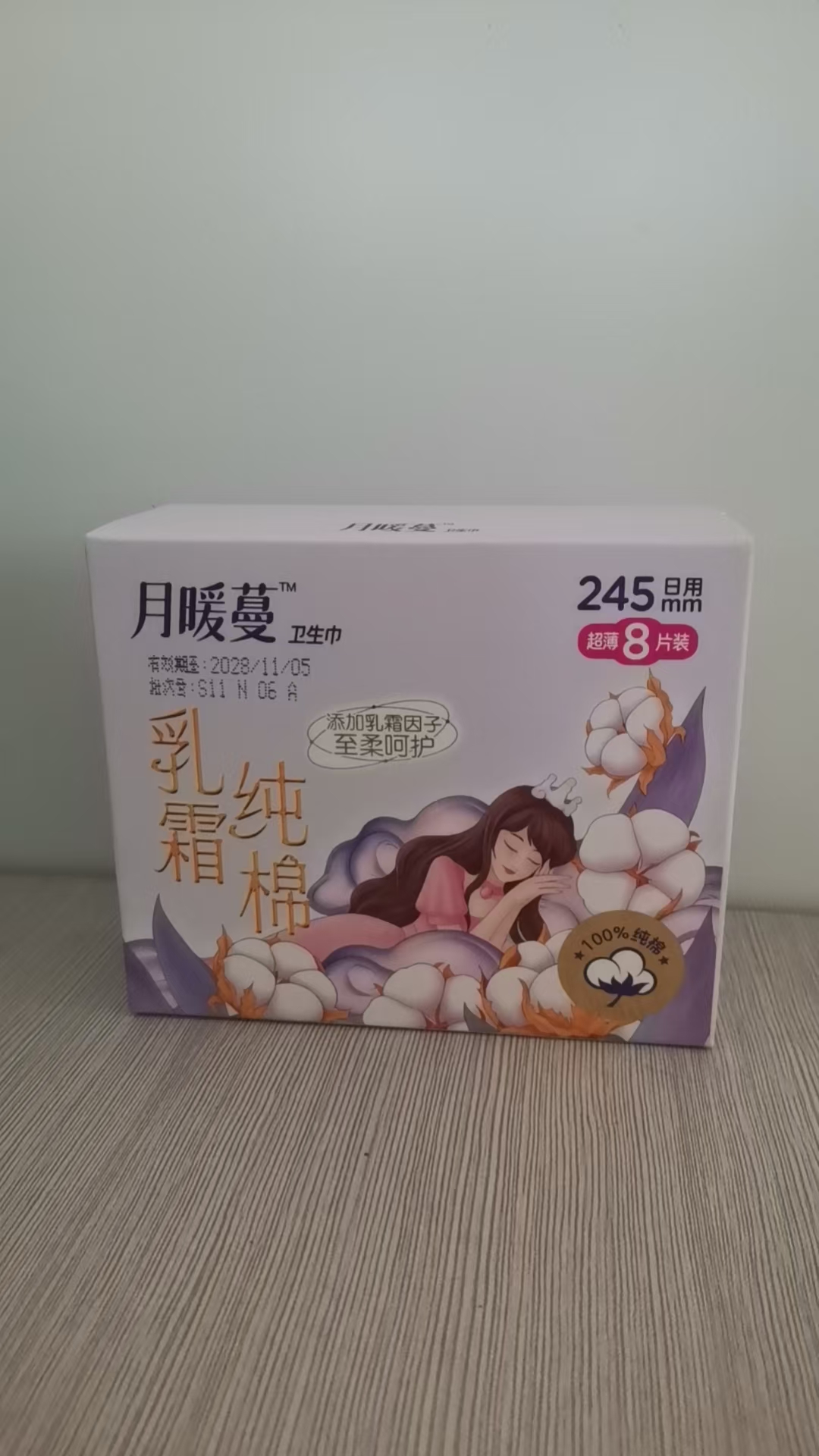
Short answer: box-packed sanitary napkins and disposable menstrual pants do not compete for the same shelf slot, which makes this a sequencing decision rather than a winner-takes-all decision. Box-packed pads, such as the Ecolivia-Premium Series with its 240 mm–450 mm length range and boutique gift-box packaging, are the stronger first investment when your channel is high-end retail, e-commerce or subscription boxes. Disposable menstrual pants, such as the FC-Pants Series with its 150 ml–300 ml absorbency and 360° leak-proof underwear construction, are the stronger first investment when your shoppers need everyday convenience, overnight security or postpartum care. Most multi-market distributors eventually carry both.
Both formats appear on the same category page of a distributor catalogue, yet they answer different shopper missions. A pad is a consumable that users match to flow intensity and day/night use, and it ladders by length from liner-length to overnight-length SKUs. A menstrual pant is a wear-anywhere garment that removes the placement step and the risk of shifting, and it ladders by waist size rather than by length. That gap in occasion coverage, not product quality, is the variable an assortment plan should be built on.
This guide is written for importers, distributors, brand owners and procurement teams working at the research and evaluation stage. Family Cares Group (Xiamen) is the integrated manufacturing and supply chain group behind both product lines: an ISO 9001 certified hygiene and medical-material manufacturer with its global sales and R&D hub in Xiamen, manufacturing bases in the Quanzhou hygiene industrial cluster, an annual output of 650 million+ pieces, and an export share of 85–90% across North America, Europe, Southeast Asia, the CIS, the Middle East and Africa. Every specification compared below comes from that manufacturer's verified product data.
Why “Which Format Is Better?” Is the Wrong Question
Retail buyers often frame this as a quality contest. It is not. Both formats draw on overlapping material streams, including ultra-soft nonwovens, bio-based absorbent cores and breathable films, and both sit inside the same quality system, with operations certified to ISO 9001 and products adhering to FDA, CE and GOTS standards. What genuinely differs is which demand stream the format can serve and what it costs to serve it.
Six variables decide the answer:
- Occasion coverage. Pads cover the full daily cycle through length laddering. Pants concentrate on the occasions where placement itself is the problem: heavy flow, overnight use and postpartum recovery.
- Channel and shelf economics. A boutique rigid gift box merchandises differently from a garment-format pack, and it appeals to a different retail environment.
- Size and SKU logic. Pads ladder by length (240 mm–450 mm). Pants ladder by waist band, with M-L and L-XL sizes covering a 60–120 cm waist range.
- Compliance and claim support. Any compostability or biodegradability claim requires standards-based evidence, which makes it a documentation and packaging decision as much as a material decision.
- Volume commitment. Minimum order quantity and production lead time are program-level parameters rather than per-format ones, a point that regularly surprises first-time buyers.
- Supplier configuration. Whether one OEM/ODM partner can produce both formats under a single private label determines how quickly a dual-format range becomes feasible.
The most useful reframing is therefore: which format matches the shoppers I already reach, and what is the most practical path to the second format? Answering that question in the right order prevents the two most common mistakes in this category, which are launching a premium boxed SKU into a channel that cannot merchandise it, and launching a garment-format SKU without a size ladder that fits the target waist range.
Market Context: What the Numbers Say About Pads, Pants and Eco Formats
The pad category is large and moderately growing, while the eco-positioned segments inside it are growing far faster. That is why the format question now arrives packaged with a material question.
- Total category size. The global sanitary pads market was valued at approximately USD 20.4 billion to USD 25.73 billion in 2024, with growth projected at a CAGR of 4% to 5.6% through 2034 (Kings Research / Expert Market Research, with a Vertex AI Search summary at the lower end of the range). Because research firms differ on the 2024 base figure, buyers should plan with the range rather than a single headline number.
- Biodegradable segment. Biodegradable sanitary napkins were valued at USD 2.43 billion in 2023 and are projected to reach USD 8.54 billion by 2030, a CAGR of 20.1% (Mark & Spark Solutions), roughly four times the growth rate of the category as a whole.
- Organic cotton segment. Organic cotton sanitary napkins reached approximately USD 3.95 billion in 2025, driven by consumer preference for hypoallergenic, chemical-free products (Providence Strategic Partners).
- Supply-side concentration. China remains the world's leading exporter of sanitary pads under HS 961900, with export values of approximately USD 3.3 billion to USD 3.59 billion in 2024 (OEC / WITS / General Administration of Customs China).
- Claim standards. Certified compostable hygiene products must meet EN 13432 in Europe or ASTM D6400 in North America, both of which require 90% biodegradation within six months under industrial composting conditions (TÜV SÜD / European Bioplastics).
- Competitive context. Procter & Gamble (Always) and Kimberly-Clark (Kotex) remain the leading global manufacturers, and Always introduced Flexfoam technology in 2025 to target on-the-go portability (Expert Market Research / IMARC Group). Convenience-led formats are therefore being pushed by the same consumer behaviour that sustains standard pad demand.
Two conclusions follow for a retail brand. First, pads remain the volume anchor of the category; that is where shelf space and repeat purchase frequency live. Second, the fastest-growing demand is eco-positioned and convenience-led, which is exactly the territory where bio-core pads and disposable menstrual pants overlap. A range that carries only one of the two formats leaves one of those demand streams unserved.
The Two Formats, Defined by Verified Specifications
Before comparing scenarios, it helps to state precisely what each product is, because the two are specified in different units and follow different packaging logic.
Ecolivia-Premium Series — Box-Packed Sanitary Napkins
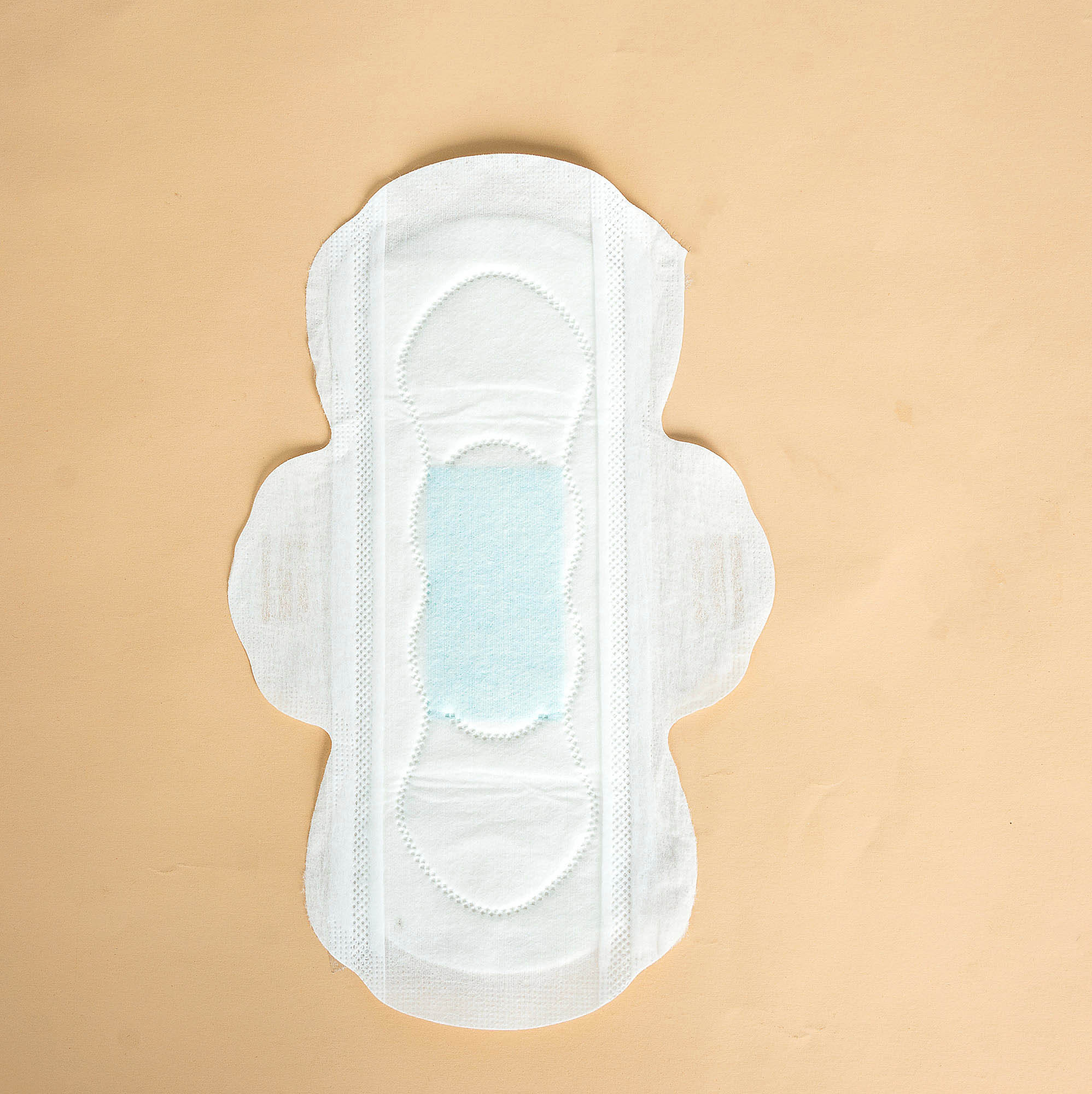
- Product type: premium boutique pads
- Packaging: boutique gift box, shelf-ready
- Size range: 240 mm–450 mm
- Absorbency positioning: tailored for sensitive-skin use
- Materials: organic cotton / bamboo fiber / advanced bio-based core
- Target industries: high-end retail, e-commerce, subscription box
Two adjacent pad lines from the same manufacturer show how a pad range is normally merchandised. The Ecolivia-Bio Series runs from 155 mm to 450 mm with absorbency customizable as high, super or night, which suits a brand that needs a full ladder under one eco-material platform of organic cotton, bamboo fiber and an advanced bio-based core. The FC-Standard Series covers 240 mm, 285 mm, 330 mm and 410 mm with a high-speed absorption core built from nonwoven fabric, super absorbent polymer (SAP) and a breathable bio-film, and it is specified for wholesale, B2B distribution and supermarket listings. Within the pad format, therefore, the choice is about length and material tier rather than about format.
FC-Pants Series — Disposable Menstrual Pants
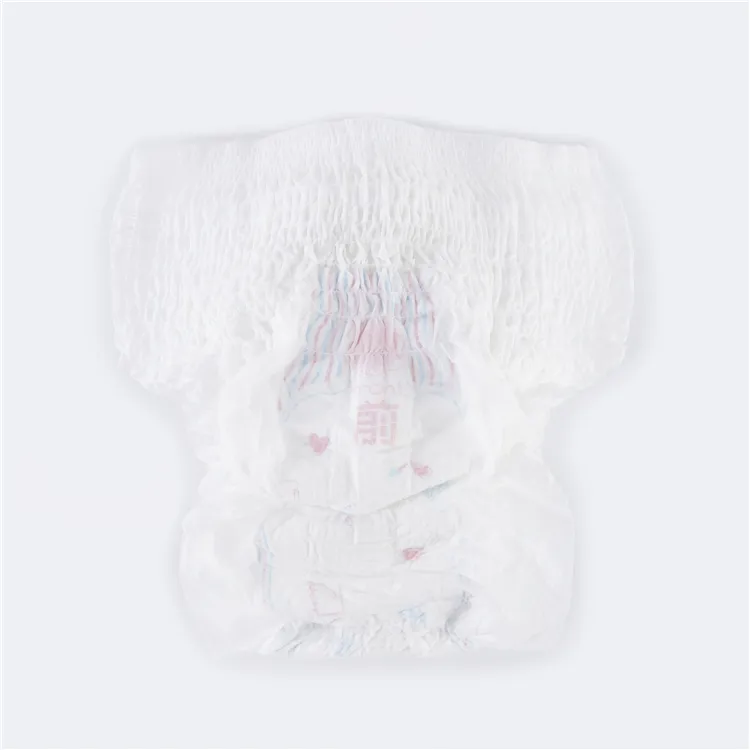
- Product type: 360° leak-proof underwear
- Sizes: M-L and L-XL (waist 60–120 cm)
- Absorbency: 150 ml–300 ml, customizable
- Materials: ultra-soft nonwoven / advanced bio-based absorbent core / elastic waistband
- Target industries: retail, FMCG, postpartum care
The pants format removes two friction points at once: pad placement and shifting during movement. Because the absorbent core is engineered into the garment, the product is specified in millilitres of capacity rather than millimetres of length, and it is positioned for occasions where garment-level security matters more than per-piece flexibility.
How to Read 240–450 mm vs. 150–300 ml
A frequent sourcing error is treating “450 mm” and “300 ml” as comparable performance numbers. They describe different engineering dimensions. Millimetres measure the coverage length of a pad and form the basis for laddering a pad range from liner-length to overnight-length SKUs. Millilitres measure the fluid capacity engineered into a garment-format absorbent core.
In practice, use the millimetre range to decide how many pad SKUs you need to cover light-day through overnight use, and use the millilitre figure to decide which occasions the pants format can credibly claim, including overnight and postpartum use, which is one of the three stated application industries for the FC-Pants Series. The two specifications can sit side by side in a catalogue without conflict because they answer different shopper needs.
A Five-Step Decision Sequence for Retail and FMCG Buyers
Step 1 — Map consumer occasions before you map products. List the occasions your shoppers actually buy for: light day, regular day, heavy flow, overnight, travel and postpartum. Assign each occasion a required protection level rather than a product name. This step usually reveals that both formats are needed, but not at the same volume and not in the same packaging tier.
Step 2 — Match the format to the channel you already own. If your revenue comes from premium e-commerce, boutique retail or subscription boxes, the box-packed format fits existing merchandising, because the rigid box carries the unboxing experience and protects the product through direct-to-consumer shipping. If your revenue comes from everyday grocery, pharmacy or mother-and-baby channels, the pants format aligns with a convenience-led basket. Boutique OEM projects in this segment are commonly built for direct-to-consumer shipping or premium department stores, which keeps the packaging spec and the channel spec aligned from day one.

Step 3 — Lock compliance and packaging inputs before design work starts. Confirm ISO 9001, FDA, CE and GOTS documentation, decide whether compostability claims will be made under EN 13432 or ASTM D6400, and specify packaging requirements such as FSC-certified paper boxes for rigid gift boxes. A verified boutique OEM scenario for high-end organic brands also specifies high-end printing with UV or foil finishes and calls for GOTS/FSC certification and a 100% fluorescent-free requirement in US-facing retail programmes.
Step 4 — Validate with a narrow first SKU. Launch a limited range, one size band per format, and verify absorbency, fit and packaging performance before scaling. The two formats behave differently at this stage: pads can be validated length by length, while pants must be validated per waist band and per occasion. Low-MOQ production for new SKU testing is available in the boutique OEM scenario, which keeps the first validation cycle affordable.
Step 5 — Scale with one OEM/ODM partner and a logistics plan. Confirm customization scope, monthly capacity, MOQ, lead time and shipping terms before committing to a launch calendar. Because the same OEM/ODM program covers brand and logo, sizing, bio-based core structure and packaging customization, the second format can be added without introducing a second supplier, a second compliance file or a second packaging tooling relationship.
Scenario Fit: Where Each Format Earns Its Shelf Space
High-end retail, e-commerce and subscription boxes → box-packed pads
Live programmes support this alignment. A premium e-commerce and subscription brand in Germany has run tailored organic cotton pads in luxury retail gift boxes at 500,000+ units per batch on a monthly recurring basis for three years, and the programme supported the client's transition to 100% plastic-free packaging. The production depends on high-capacity automated box-packing lines and zero-defect quality control for premium retail standards.
The packaging side is equally specific. A verified boutique OEM project for high-end organic brands specifies premium shelf-ready boxed packaging, automatic rigid box folding and packaging lines, FSC-certified paper boxes, high-end printing with UV or foil finishes, and low MOQ for new SKU testing. In this segment packaging is not a cost line; it is part of the product promise.
Everyday use, overnight protection and postpartum care → menstrual pants
The FC-Pants Series is specified for retail, FMCG and postpartum care, three demand streams that share one requirement: confidence without placement. With 150–300 ml of customizable absorbency, a 360° leak-proof construction and an elastic waistband covering a 60–120 cm waist range, the format addresses heavy-flow days, overnight use and the postpartum period, where shoppers need garment-level security rather than an adhesive pad.
The trade-off should be stated plainly. Because pants are a fixed garment construction, the range ladders by waist size (M-L, L-XL) rather than by length. Brands whose entire range logic is built on length-based laddering will need a different SKU approach for this format, with fewer size steps and more occasions per SKU, and should plan shelf space and reorder points accordingly.
The dual-format portfolio — where most multi-market distributors land
The clearest evidence that the two formats are complementary comes from a leading regional FMCG brand in Malaysia that has ordered 2–3 x 40HQ containers per month of high-end organic cotton sanitary napkins and menstrual pants for more than three years. The relationship has supported 25% annual sales growth in Southeast Asia, and the brand successfully integrated advanced bio-based core technology to replace standard SAP across its range.
That pattern is repeatable for importers serving mixed channels: one garment-format SKU band for convenience and postpartum demand, one length-laddered pad range for everyday and premium demand, both produced under a single private label and a single material platform.
Format Comparison Table
The table below compares the two formats on the dimensions that actually change a buying decision. It is a portfolio comparison, not a ranking.
| Decision dimension | Ecolivia-Premium Series (box-packed sanitary napkins) | FC-Pants Series (disposable menstrual pants) |
|---|---|---|
| Product type | Premium boutique pads, box-packed | 360° leak-proof underwear |
| How it is worn | Adhesive pad used with the shopper's own underwear | Complete garment with elastic waistband |
| Specified dimension | Length: 240 mm–450 mm | Capacity: 150 ml–300 ml (customizable) |
| Size laddering | Laddered by pad length and flow level | Waist sizes M-L and L-XL (waist 60–120 cm) |
| Material platform | Organic cotton / bamboo fiber / advanced bio-based core | Ultra-soft nonwoven / advanced bio-based absorbent core / elastic waistband |
| Packaging format | Boutique gift box; custom packaging available | Garment-format pack; packaging customized per OEM/ODM brief |
| Best-fit channel | High-end retail, e-commerce, subscription box | Retail, FMCG, postpartum care |
| Primary shopper occasion | Day-to-night flow management and premium eco-positioned ranges | Everyday convenience, heavy flow, overnight, postpartum |
| Range logic | More SKUs, finer flow segmentation | Fewer SKUs, broader occasion per SKU |
The next table lists the program parameters that apply to both formats, because these are usually the numbers buyers ask for first and they are identical across the two product families.
| Program parameter (applies to both formats) | Verified value |
|---|---|
| Customization scope | Brand/logo, sizing, bio-based core structure, packaging |
| Monthly OEM/ODM capacity | 54 million+ pieces |
| Production lead time | 15–25 days |
| MOQ | 1 x 20GP, negotiable for start-up brands |
| Quality control | 100% on-line visual inspection plus in-house lab QC |
| After-sales | 24/7 technical support and quality traceability |
| Raw material service | Nonwoven GSM, bio-film layers, spandex and magic tape customization; 1,600+ tons monthly capacity; 7–14 day lead time; 2 ton / 1 x 40GP MOQ; batch COA reports |
| Logistics | 30+ x 40HQ containers per month; 3–5 day treatment date; pre-shipment loading inspection; FOB, CIF or DDP terms |
OEM/ODM Customization: The Bridge Between the Two Demand Streams
Customization is what turns a format debate into a portfolio plan. The OEM/ODM program covers brand and logo, sizing, bio-based core structure and packaging customization, so the same buyer can specify a 240–450 mm boxed pad range and a 150–300 ml menstrual pant line under one private label without splitting the order across suppliers.
Operationally, the program runs at 54 million+ pieces per month, supported by 100% on-line visual inspection plus in-house laboratory QC, and after-sales service includes 24/7 technical support and quality traceability. Those are the parameters that decide whether a dual-format launch is a single project or two projects running in parallel.
On the commercial side, the ordering parameters are program-level rather than format-level. The minimum order quantity is 1 x 20GP and is negotiable for start-up brands, and production lead time runs 15–25 days. Brands that develop their own material inputs can use the raw material service, which adds nonwoven GSM, bio-film layer, spandex and magic-tape customization at 1,600+ tons of monthly capacity, a 7–14 day lead time, a 2 ton or 1 x 40GP minimum depending on the material, and batch COA reports for incoming inspection.
That combination is the reason the format question has a manageable answer. Serving both demand streams does not require two manufacturers, two compliance files or two packaging tooling investments. It requires one partner who can produce both formats inside the same quality system, and a launch sequence that starts with the format your current channel already sells.
Frequently Asked Questions
1. What certification and compliance checks should we complete before listing either format?
At the manufacturing level, Family Cares Group's operations are ISO 9001 certified and its products adhere to FDA, CE and GOTS standards. At the packaging level, the boutique box format can be produced with FSC-certified paper boxes, and a verified US-facing retail scenario additionally specifies GOTS/FSC certification and a 100% fluorescent-free requirement. If a compostability or biodegradability claim will appear on pack, the applicable standards are EN 13432 in Europe and ASTM D6400 in North America, both of which require 90% biodegradation within six months under industrial composting conditions (TÜV SÜD / European Bioplastics). Because certification requirements vary by destination market, confirm the exact document set with your supplier before any claim is printed.
2. Can one manufacturer produce both formats under a single private label?
Yes. Family Cares Group's OEM/ODM program covers brand and logo, sizing, bio-based core structure and packaging customization across its eco-friendly sanitary napkin lines, which include the box-packed Ecolivia-Premium Series and the FC-Pants Series disposable menstrual pants. Monthly OEM/ODM capacity is 54 million+ pieces, production is supported by 100% on-line visual inspection and in-house laboratory QC, and after-sales service includes 24/7 technical support with quality traceability. Running both formats through one supplier keeps one compliance file, one packaging relationship and one quality system across the entire feminine care range.
3. How should we think about MOQ and cost structure when adding the second format?
The OEM/ODM minimum order quantity is 1 x 20GP and is negotiable for start-up brands, and boutique projects can be run at low MOQ for new SKU testing. Rather than fixed prices, the cost drivers to compare are the format itself (garment construction versus adhesive pad), the packaging specification (boutique rigid box versus garment-format pack), the material tier (organic cotton or bamboo fiber versus standard nonwoven with SAP), and the shipping volume. Brands that also develop their own material inputs can work through the raw material service, where the minimum is 2 tons or 1 x 40GP depending on the material, with batch COA reports supplied for each batch.
4. Can we validate both formats with samples before a full production run?
Sample testing is part of the manufacturer's material R&D and supply service, and low-MOQ production is available for new SKU testing in the boutique OEM scenario. Pad validation typically focuses on length, absorbency level and packaging performance, while pants validation focuses on waist fit, core capacity and leakage performance. Because both formats can be produced by the same partner, a single sample round can cover both demand streams and both sets of shopper occasions.
5. What lead times and logistics should we plan for?
For OEM/ODM manufacturing, the production lead time is 15–25 days. Material supply runs 7–14 days, and logistics handling has a 3–5 day treatment date, with 30+ x 40HQ containers of monthly shipping capacity, pre-shipment loading inspection, and FOB, CIF or DDP terms. A two-wave launch, one format first and the second added after the first reorder cycle, therefore fits comfortably inside a single planning year. To start a sample or quotation request for either the Ecolivia-Premium Series or the FC-Pants Series, contact Caffy at admin@family-cares.com or on WhatsApp at +86 13805968557.
Conclusion: Sequence the Portfolio, Then Scale It
The format question resolves into a sequencing decision. Box-packed sanitary napkins earn their place where packaging carries the brand promise, which means high-end retail, e-commerce and subscription boxes, and where a length-laddered range lets the brand segment flow levels precisely. Disposable menstrual pants earn their place where shoppers need confidence without placement, which covers everyday convenience, heavy flow, overnight use and postpartum care. The two do not compete; they cover different occasions for the same consumer.
For most retail and FMCG brands, the practical answer is to lead with the format that matches the channel you already own, then add the second format through one OEM/ODM partner so the private label stays single-source and the compliance file stays single-file.
Decision shortcut:
- Premium e-commerce or subscription box first → start with box-packed sanitary napkins.
- Everyday retail, pharmacy or postpartum care first → start with disposable menstrual pants.
- Multi-market importer with mixed channels → plan both formats in two waves from one manufacturing partner.
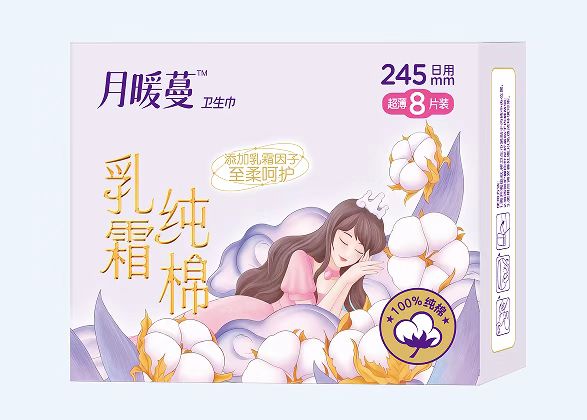
Next step: if you are building a dual-format feminine care range, request samples or a quotation for the Ecolivia-Premium Series box-packed pads and the FC-Pants Series menstrual pants.
Email: admin@family-cares.com | WhatsApp / Tel: +86 13805968557 | Web: family-cares.com
Family Cares Group, Xilin Industrial District, Honglai Town, Quanzhou Nan'an City, Fujian Province, China.
Have Questions or Need More Details?
Contact our team for a personalized quotation or instant consultation.
Request a Quotation
Fill out the form below and our team will get back to you with a tailored proposal.
WhatsApp Direct Chat
Prefer to chat in real-time? Message us on WhatsApp for instant assistance & quick answers.
- Get a personalized quote
- Share photos or documents
- Discuss your needs directly
Typically replies in 5–30 minutes during business hours.