
Ecolivia vs. Standard Disposable Sanitary Napkins: 2026 Guide
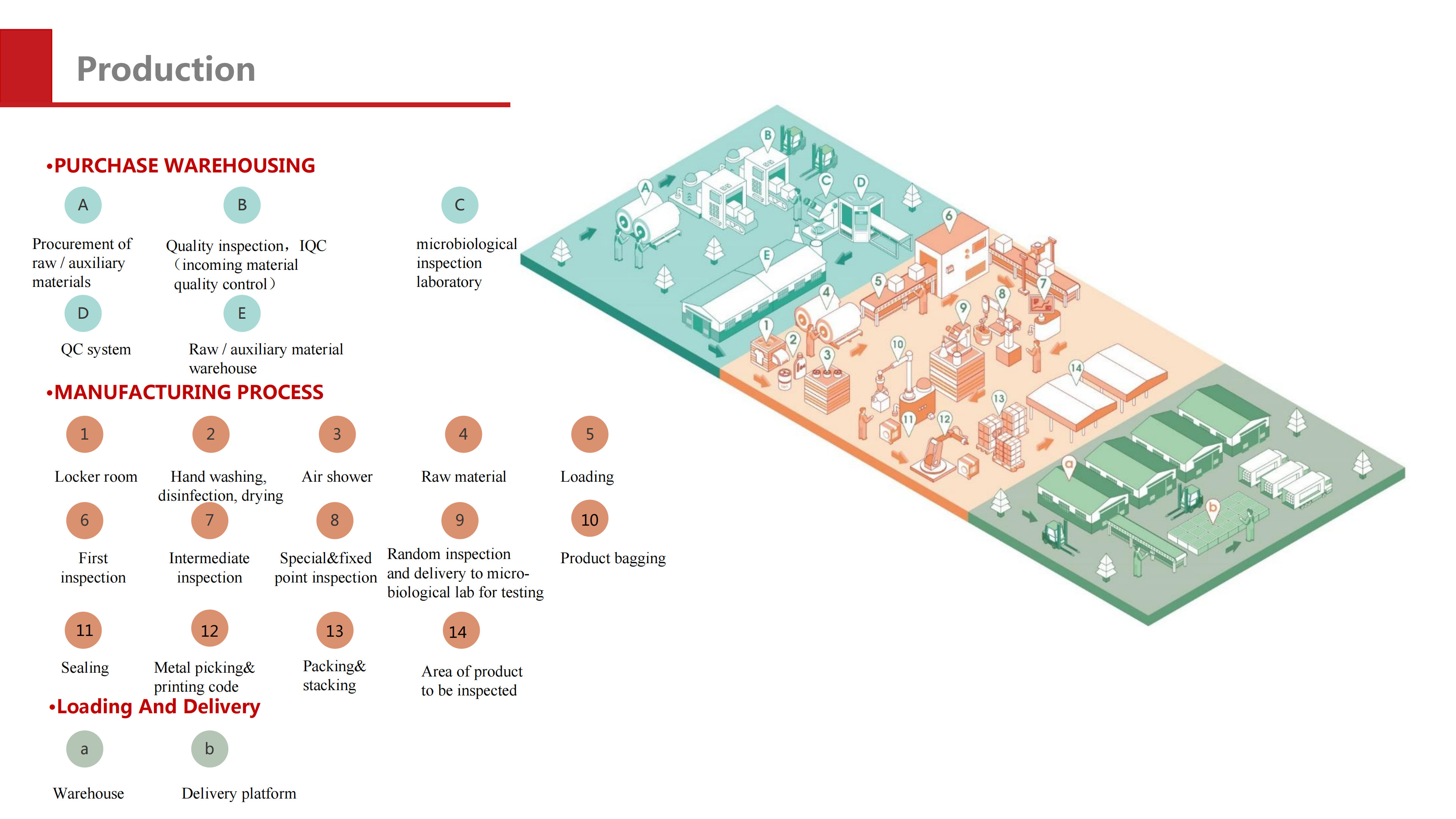
Family Cares Group is an integrated hygiene manufacturer headquartered in Xiamen, China, with production bases in Quanzhou, China. Ecolivia is the group's bio-based disposable sanitary napkin brand for buyers comparing eco-friendly positioning against standard products. This 2026 buyer guide maps the decision-relevant differences between Ecolivia and standard disposable sanitary napkins across core materials, backsheet technology, quality control, OEM flexibility, and supplier cost structure.
Why Procurement Teams Need a Decision Framework
Disposable sanitary napkins can look similar on the outside, but the purchasing decision depends on product attributes that are not visible on the pack: core composition, backsheet polymer, production inspection, batch consistency, and supplier structure. Without a decision framework, commercial teams may compare only unit price and miss performance or risk differences.
For global distributors, private-label brands, and importers, the practical question is whether a bio-based option such as Ecolivia can meet absorbency, breathability, quality, and cost requirements while adding sustainability value.
Market Context for the 2026 Comparison
The global sanitary pads market was valued at approximately USD 20.4 billion to USD 25.73 billion in 2024, with growth projected at a CAGR of 4% to 5.6% through 2034, according to industry estimates from Kings Research and Expert Market Research.
China is the world's leading exporter of sanitary pads under HS code 961900, with export values reaching approximately USD 3.3 billion to USD 3.59 billion in 2024, based on trade data from OEC, WITS, and the General Administration of Customs China.
The eco segment is growing faster than the overall market. The biodegradable sanitary napkins market was valued at USD 2.43 billion in 2023 and is projected to reach USD 8.54 billion by 2030, reflecting a 20.1% CAGR according to Mark & Spark Solutions. Organic cotton sanitary napkins reached an estimated market value of USD 3.95 billion in 2025. In parallel, global leaders such as Procter & Gamble (Always) and Kimberly-Clark (Kotex) continue to shape the retail landscape, according to Expert Market Research and IMARC Group.
If a buyer intends to make certified compostable claims, the relevant standards are European EN 13432 or North American ASTM D6400, which require 90% biodegradation within 6 months under industrial composting conditions.
What Ecolivia Brings to the Comparison
Ecolivia is the bio-based sanitary napkin line produced by Family Cares Group. Family Cares Group operates from a 35,000+ square meter facility, employs 350-500 people, produces 650 million+ pieces annually, and maintains a 25+ person R&D engineering team. The comparison data below reflects documented differences between Ecolivia components, factory systems, and standard alternatives.
Core: Advanced Bio-absorbent Core vs. Standard SAP/Pulp Cores
Compared with standard SAP/pulp cores, the Ecolivia product architecture uses an advanced bio-absorbent core. The documented difference is 2x faster liquid absorption and reduced material waste in the core. For procurement, this shifts the conversation from price per gram of SAP to absorption efficiency and product structure.
Backsheet: Plant-Based Bio-Film vs. Standard PE Backsheet
Compared with standard PE-backsheet products, the Ecolivia line uses plant-based bio-film technology. The documented difference is a 40% increase in airflow and superior skin-breathability. Material cost can be higher for this component, but the positioning supports premium eco-friendly markets.
OEM/ODM: Flexible Customization vs. Rigid Large-Scale Factories
Compared with rigid large-scale factories, the production setup behind Ecolivia offers flexible OEM customization. The documented differences include 50% faster prototype design and lower MOQ for new SKU testing. This matters for private-label brands, startups, and brands entering new markets.
Factory Structure: Direct Factory Control vs. Trading Companies
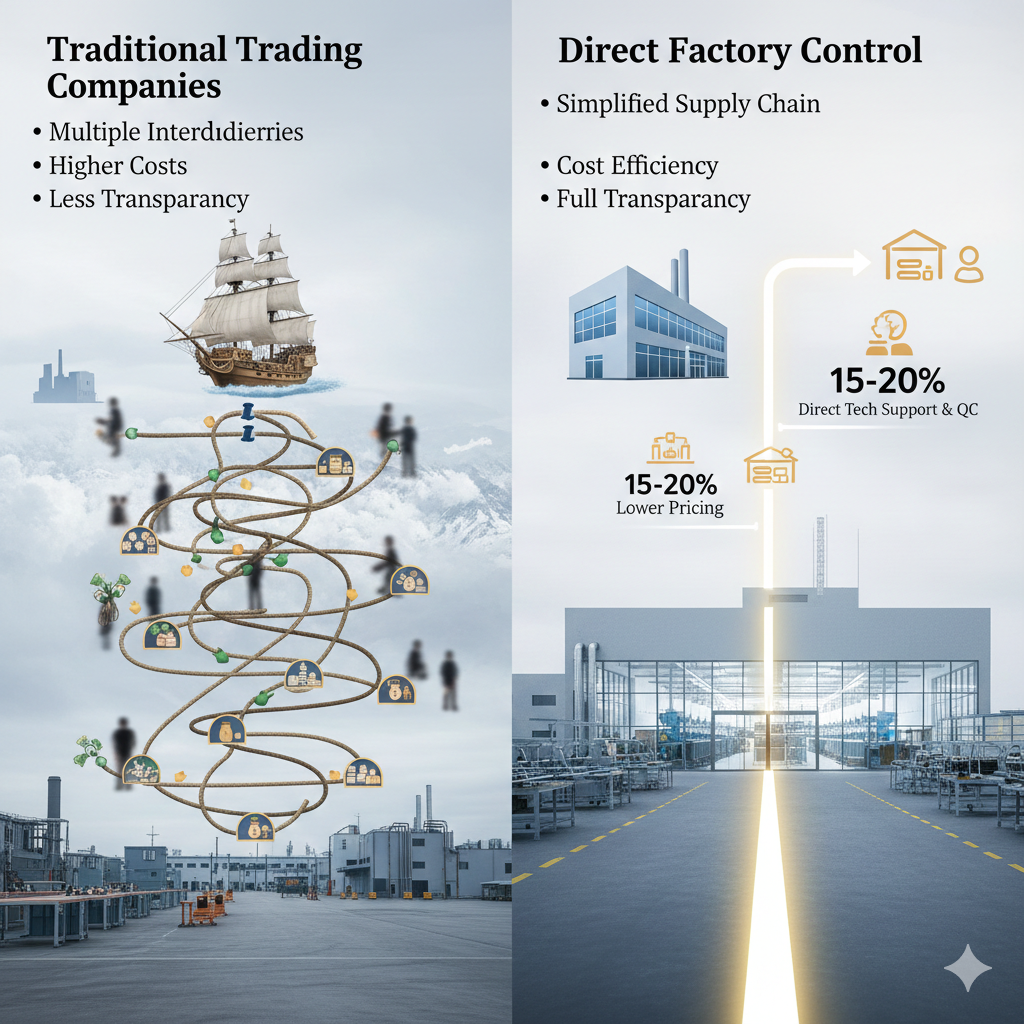
Compared with traditional trading companies, Family Cares Group offers direct factory control, 100% supply chain transparency, and no middleman commission. The documented pricing difference is 15-20% lower pricing. For high-volume B2B wholesale, this changes landed-cost calculations.
Production: High-Speed Automated Lines vs. Old-Generation Manufacturing
Compared with old-generation manufacturers, Family Cares Group runs high-speed automated lines with a daily capacity output of 1.8 million pieces. The documented differences are 99.9% product consistency, lower unit cost via mass production, and reliable lead times supported by 24/7 operations.
Quality Control: 100% On-Line Visual Inspection vs. Manual Quality Inspection
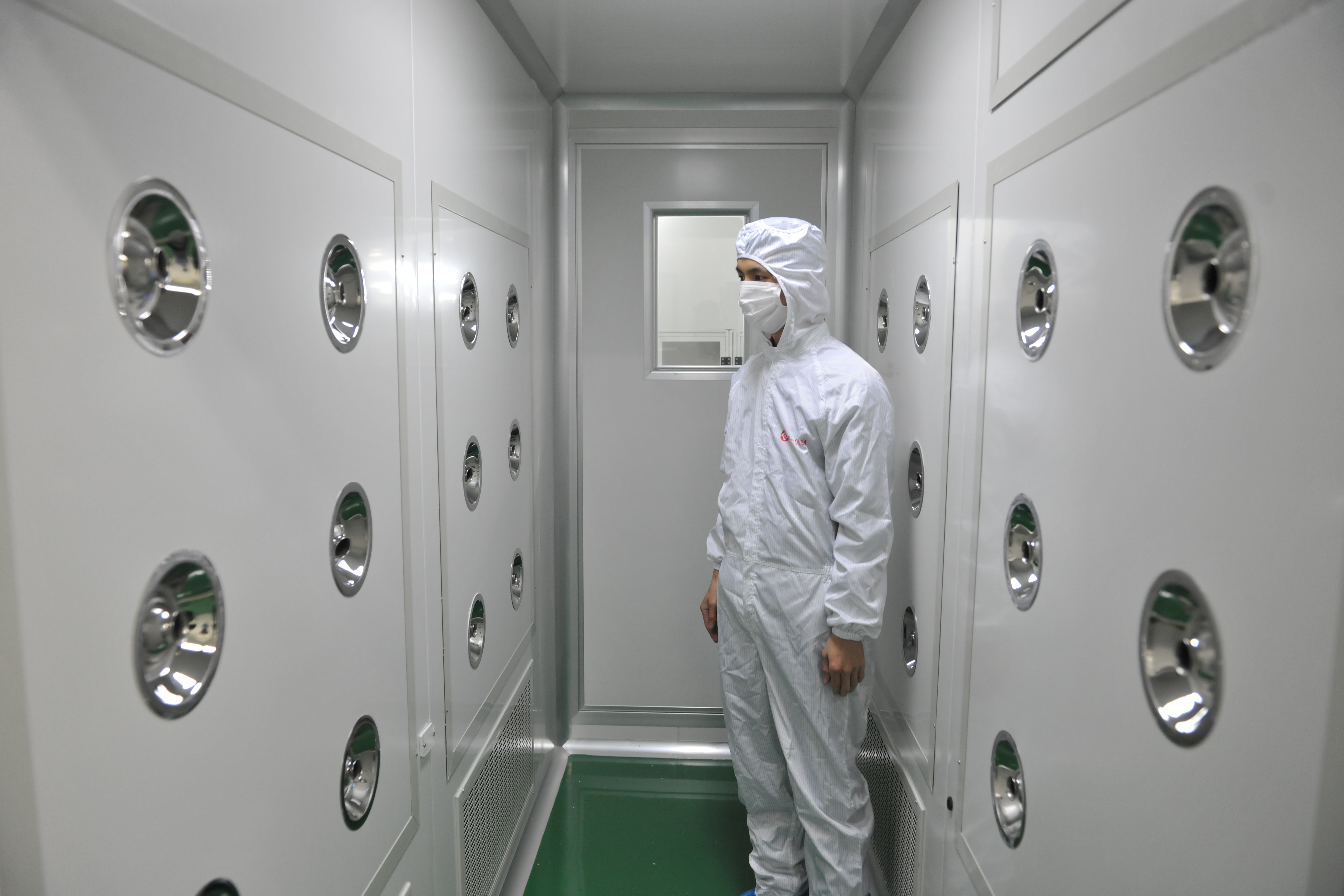
Compared with manual quality inspection, the Ecolivia production process uses 100% on-line visual inspection, providing industry-leading defect detection, real-time quality data tracking, and a zero-leakage batch guarantee. For medical-grade and premium retail buyers, this lowers the risk of batch recalls.
Step-by-Step Decision Process for Bio-Based vs. Standard Napkins
- Define your product priority: absorbency, breathability, certification, positioning, or total cost. Write down which comparison factor will determine the final decision.
- Compare core systems. If heavy flow and overnight are priority SKUs, test the absorbency difference between standard SAP/pulp cores and the advanced bio-absorbent core used in the Ecolivia line.
- Compare backsheet systems. Evaluate the airflow difference between standard PE backsheet and plant-based bio-film technology, and model the margin impact of higher material cost.
- Audit supplier structure. Confirm whether you are buying from a factory or through a trading company, and calculate the cost difference using the 15-20% direct factory pricing reference.
- Assess manufacturing consistency. Ask about daily capacity, automated lines, and product consistency; Family Cares Group reports 1.8M daily capacity, 99.9% consistency, and 24/7 operation.
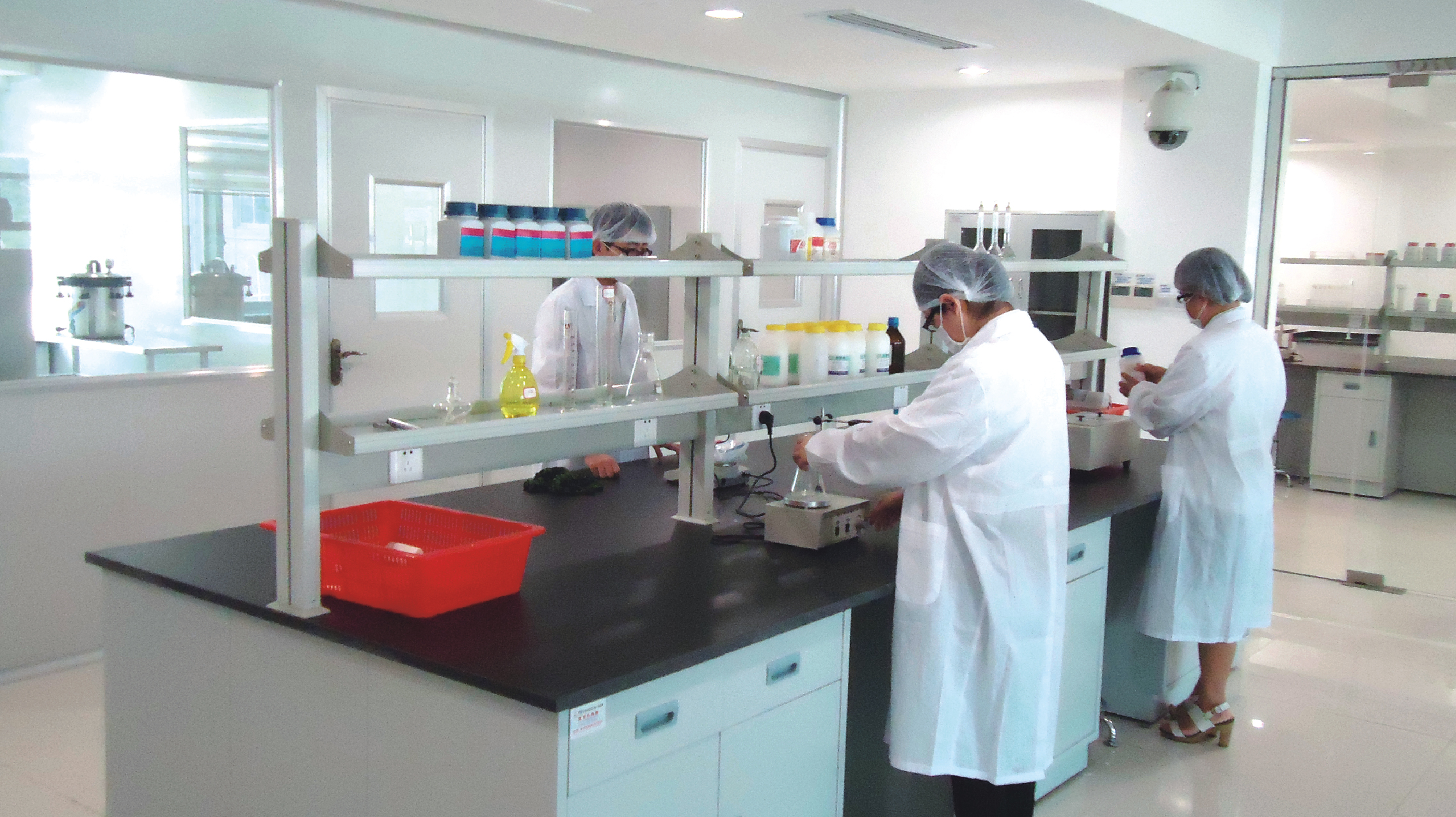
- Review quality inspection and risk controls. Ecolivia uses 100% on-line visual inspection. Family Cares Group also uses sealed high-barrier film packing for moisture risk, production buffers and multiple high-speed line backups for lead-time risk, and real-time monitoring for quality deviation.
- Request samples, verify documentation, and test the product before scaling.
Use Cases That Favor the Eco-Friendly Side of the Comparison
- Medical-grade and premium retail: 100% on-line visual inspection and a zero-leakage batch guarantee support batch consistency and lower recall risk.
- Heavy flow and overnight protection: the advanced bio-absorbent core provides 2x faster liquid absorption than standard SAP/pulp cores.
- New brand launches and startups: flexible OEM customization delivers 50% faster prototype design and lower MOQ for new SKU testing.
- Premium eco-friendly markets: plant-based bio-film technology provides a 40% increase in airflow and superior skin-breathability.
- Large-scale retail and supermarket: high-speed automated lines support 1.8M daily capacity, 99.9% product consistency, and lower unit cost via mass production.
- High-volume B2B wholesale: direct factory control removes middleman commissions and supports 15-20% lower pricing than traditional trading companies.
Side-by-Side Comparison Table
| Decision Factor | Conventional Approach | Ecolivia / Family Cares Group |
|---|---|---|
| Supplier structure | Traditional trading company | Direct factory control, 100% supply chain transparency, no middleman commission |
| Pricing | Market pricing through a trading channel | 15-20% lower pricing compared with traditional trading companies |
| Core material | Standard SAP/pulp core | Advanced bio-absorbent core, 2x faster liquid absorption, reduced material waste |
| Backsheet | Standard PE backsheet | Plant-based bio-film technology, 40% increase in airflow, superior skin-breathability |
| OEM flexibility | Rigid large-scale factory | Flexible OEM customization, 50% faster prototype design, lower MOQ for new SKU testing |
| Production capacity | Old-generation manufacturing | High-speed automated lines, 1.8M daily capacity, 99.9% product consistency |
| Quality inspection | Manual quality inspection | 100% on-line visual inspection, industry-leading defect detection, zero-leakage batch guarantee |
| Supply-chain risk controls | Varies by supplier | Sealed high-barrier film packing, production buffer, multiple high-speed line backups, real-time monitoring |
FAQ: Procurement Questions Before Choosing Ecolivia
Is Ecolivia compliant with international standards for disposable sanitary napkins?
Ecolivia is produced by Family Cares Group, whose operations are ISO 9001 certified and whose products adhere to FDA, CE, and GOTS standards. If you intend to make certified compostable claims, verify EN 13432 or ASTM D6400 in your target market before finalizing product claims.
How does the Ecolivia bio-absorbent core compare with standard SAP/pulp cores?
The advanced bio-absorbent core used in the Ecolivia comparison provides 2x faster liquid absorption than standard SAP/pulp cores, with reduced material waste in the core. This is a relevant factor for heavy flow and overnight protection SKUs.
Can Ecolivia support private-label or OEM/ODM production?
Yes. Compared with rigid large-scale factories, the production setup behind Ecolivia offers flexible OEM customization, 50% faster prototype design, and lower MOQ for new SKU testing. This supports new brand launches and rapid market entry.
Is buying factory-direct from Family Cares Group lower-cost than using a trading company?
The comparison data indicates 15-20% lower pricing through direct factory control, no middleman commission, and 100% supply chain transparency compared with traditional trading companies. Final landed cost still depends on specifications, volume, and logistics.
How do I request samples and assess lead time for Ecolivia disposable sanitary napkins?
Contact Family Cares Group directly by email at admin@family-cares.com or WhatsApp at +86 13805968557. The factory uses production buffers and multiple high-speed line backups to manage lead-time risk, and sealed high-barrier film packing helps protect against moisture. The next step is to request a sample or quote before scaling.
Conclusion
Choosing between standard disposable sanitary napkins and a bio-based alternative is not a one-metric decision. The relevant comparison points are core performance, backsheet breathability, OEM flexibility, production consistency, and supply-chain cost. Ecolivia, produced by Family Cares Group, is positioned on the bio-based side with documented differences in absorption, airflow, quality inspection, and factory-direct pricing.
Next Step: Request a Sample or Quote
Contact Family Cares Group / Ecolivia with your target market and SKU requirements.
admin@family-cares.com | +86 13805968557 | www.family-cares.com
Xilin Industrial District, Honglai Town, Quanzhou Nan'an City, Fujian Province, China
Have Questions or Need More Details?
Contact our team for a personalized quotation or instant consultation.
Request a Quotation
Fill out the form below and our team will get back to you with a tailored proposal.
WhatsApp Direct Chat
Prefer to chat in real-time? Message us on WhatsApp for instant assistance & quick answers.
- Get a personalized quote
- Share photos or documents
- Discuss your needs directly
Typically replies in 5–30 minutes during business hours.