
Bio-Based vs. Conventional Disposable Sanitary Napkins: Final Supplier Comparison
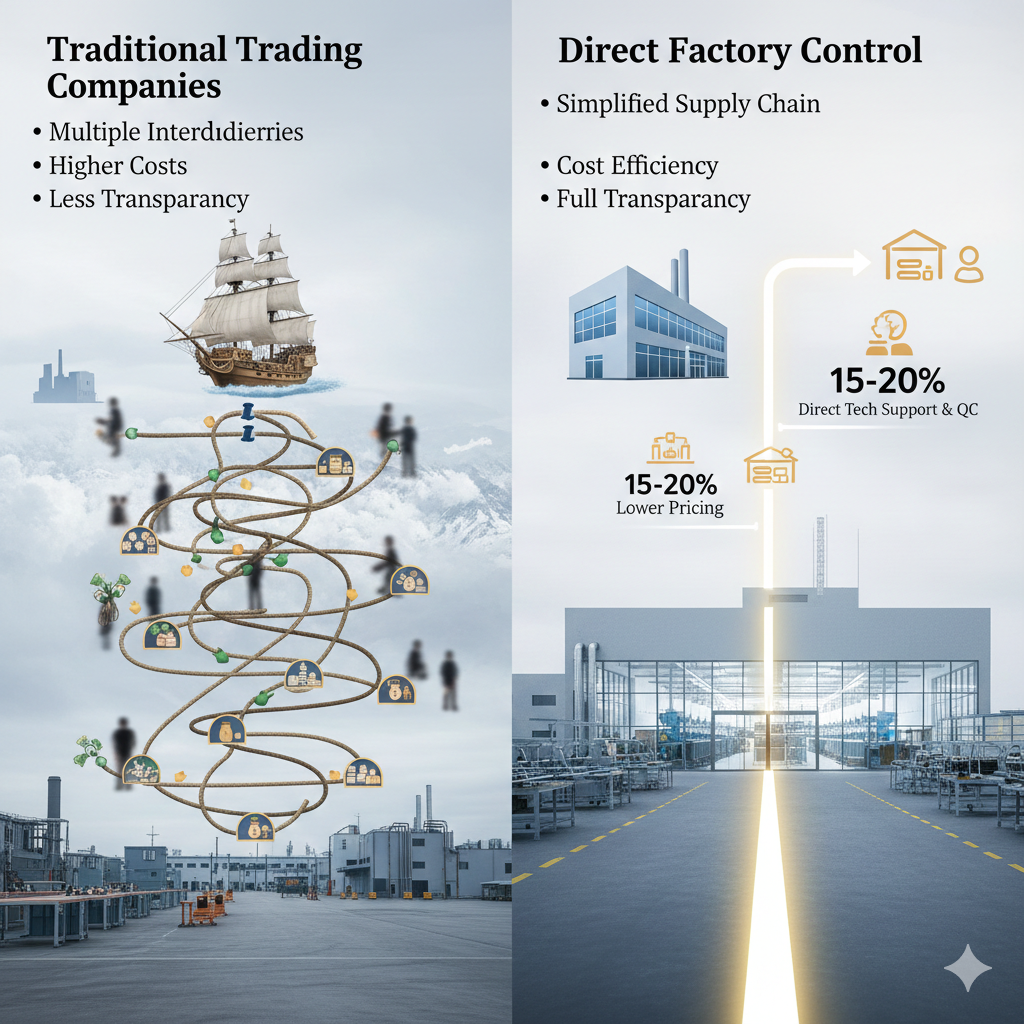
Direct factory control is a decisive variable when comparing disposable sanitary napkin suppliers.
When a buyer reaches the final stage of selecting a disposable sanitary napkin supplier, the conversation usually shifts from “which material is better” to “which supplier model will deliver the specification, compliance, cost, and lead time we need.” Bio-based and conventional products can both be sourced from China, but the comparison is not limited to the top sheet or core. The more important comparison is between manufacturer-controlled production and indirect trading models.
Ecolivia is the bio-based disposable sanitary napkin brand supplied by Family Cares Group, an integrated hygiene manufacturer headquartered in Xiamen with manufacturing bases in the Quanzhou hygiene industrial cluster of China. This guide compares Ecolivia with conventional supplier options using verifiable production and material facts, so procurement teams can complete the final decision without relying on marketing language.
Problem Definition: Why Final Supplier Comparison Is Harder Than Material Comparison
Buyers at the decision stage often expect a simple answer: bio-based or conventional, expensive or economical, factory or trading company. In practice, disposable sanitary napkin purchases involve multiple variables that interact with each other. Absorbency performance, breathability, raw material costs, OEM flexibility, quality control, compliance documentation, and logistics all affect the final landed cost.
The main difficulty is that product labels do not reveal the operational capability behind them. A bio-based product can still be manufactured with old equipment and weak quality control. A conventional product from a direct factory may outperform a so-called eco-friendly product sourced through a multi-layer trading chain. Therefore, the final comparison should be structured around documented supplier capabilities, not just material claims.
Industry Background: The Shift Toward Bio-Based Feminine Hygiene
The global sanitary pads market was valued at roughly USD 20.4 billion to USD 25.73 billion in 2024, with projected growth of about 4% to 5.6% annually through 2034, according to Kings Research, Expert Market Research, and other published estimates. China is the world’s leading exporter of sanitary pads under HS 961900, with export values estimated at USD 3.3 billion to USD 3.59 billion in 2024.
The bio-based segment is growing faster than the overall market. The biodegradable sanitary napkins market was valued at USD 2.43 billion in 2023 and is projected to reach USD 8.54 billion by 2030, representing a high CAGR of 20.1%, according to Mark & Spark Solutions. Organic cotton sanitary napkins reached about USD 3.95 billion in 2025. This explains why buyers are asking for bio-based polymer cores, plant-based backsheets, and reduced reliance on conventional plastic materials.
Compliance expectations are also tightening. Certified compostable sanitary napkins must meet European standard EN 13432 or North American ASTM D6400, which requires 90% biodegradation within 6 months in industrial conditions. Even when a product is not positioned as compostable, buyers in regulated markets should still verify the manufacturer’s certification base before final selection.
Detailed Solution: What to Compare Before Final Selection
The final comparison should cover five supplier-level differences. These differences come from documented production comparisons at Family Cares Group and are directly relevant to Ecolivia bio-based disposable sanitary napkins.
1. Direct factory control versus traditional trading companies
Traditional trading companies can provide convenience, but they add a middleman layer to sourcing. Family Cares Group operates wholly-owned and partnered manufacturing bases in Quanzhou, giving Ecolivia buyers direct factory control, 100% supply chain transparency, and no middleman commission. In the documented comparison, direct factory control results in 15-20% lower pricing than traditional trading companies for high-volume B2B wholesale buyers.
2. Advanced bio-absorbent core versus standard SAP/pulp cores
Many conventional disposable sanitary napkins use standard super absorbent polymer and pulp cores. Ecolivia instead uses an advanced bio-absorbent core. The documented performance gap is 2x faster liquid absorption, plus reduced material waste in the core. For buyers serving heavy flow or overnight use, this is a functional difference, not just a marketing point.
3. Plant-based bio-film backsheet versus standard PE backsheet
Standard PE-backsheet products restrict airflow. The plant-based bio-film technology used in Ecolivia products is documented to provide a 40% increase in airflow compared with standard PE-backsheet products. This supports superior skin-breathability and a more sustainable supply chain story. The trade-off is higher material cost, but the comparison also notes that this can support higher margins in premium eco-friendly markets.
4. Flexible OEM/ODM versus rigid large-scale factories
Very large factories often require large MOQs and slower design changes. Family Cares Group is positioned as a flexible OEM/ODM manufacturer. Compared with rigid large-scale factories, it offers 50% faster prototype design and lower MOQ for new SKU testing. This matters for new brand launches, private-label programs, and companies that need to test multiple variations before committing to mass production.
5. High-speed automated lines versus old-generation manufacturing
Old-generation manufacturers often rely on slower equipment and manual quality checks. Ecolivia production uses high-speed automated lines with daily capacity exceeding 1.8 million pieces. The documented result is 99.9% product consistency, lower unit cost via mass production, and reliable lead times through 24/7 operations.
Quality control is also a supplier-level differentiator. Compared with manual quality inspection, the production process behind Ecolivia uses 100% on-line visual inspection. This provides industry-leading defect detection and a zero-leakage batch guarantee. For medical-grade, premium retail, or supermarket programs, this lowers the risk of batch recalls and enables real-time quality data tracking.
Step-by-Step Breakdown: Final Comparison in Six Steps
- Define the product brief before comparing suppliers. Decide absorbency level, core material, backsheet, packaging, target markets, and price band. If your line requires bio-based polymer, plant-based film, or certified organic materials, include those requirements in the written specification.
- Verify compliance evidence. Check whether the supplier’s operations are ISO 9001 certified and whether the product adheres to FDA, CE, or GOTS standards as required by your destination market. For compostable claims, ask whether the product can meet EN 13432 or ASTM D6400 and the 90% biodegradation requirement.
- Compare core and backsheet technology. Use documented comparisons such as absorption speed, airflow, breathability, and material waste instead of relying only on product naming.
- Audit the manufacturing model. Determine whether the quotation comes directly from the factory or from a trading company. Direct factory control affects price, quality communication, and problem resolution.
- Validate OEM/ODM workflow. Ask about prototype lead time, MOQ for new SKUs, sample policy, and how design changes are managed.
- Run a total cost analysis and request samples. Compare factory-direct pricing with trading-company quotes. Include logistics, compliance documentation, packaging, and potential recall risk. Then test samples against your own acceptance criteria.
Use Cases: When Each Supplier Model Wins
- Premium eco-friendly retail: a plant-based bio-film backsheet and advanced bio-absorbent core support sustainability claims and skin-breathability positioning.
- High-volume B2B wholesale: direct factory control suits buyers who need bulk export quantities and cost transparency.
- New brand or private label: flexible OEM customization with 50% faster prototype design and lower MOQ helps test new SKUs before large-scale commitment.
- Heavy flow or overnight programs: the advanced bio-absorbent core with 2x faster liquid absorption supports high-performance product positioning.
- Retailers with low tolerance for recalls: 100% on-line visual inspection and zero-leakage batch guarantee reduce supply risk.
Comparison Table: Ecolivia vs. Conventional Supplier Options
| Decision Factor | Ecolivia / Family Cares Group | Conventional Alternative | Impact for Buyer |
|---|---|---|---|
| Supplier model | Direct factory control; no middleman commission; 100% supply chain transparency | Traditional trading company | 15-20% lower pricing for high-volume B2B wholesale |
| Core material | Advanced bio-absorbent core | Standard SAP/Pulp cores | 2x faster liquid absorption; reduced core material waste |
| Backsheet | Plant-based bio-film technology | Standard PE-backsheet | 40% increase in airflow; higher margin potential in eco markets |
| OEM flexibility | Flexible OEM customization | Rigid large-scale factories | 50% faster prototype design; lower MOQ for new SKU testing |
| Production lines | High-speed automated lines; 1.8M daily capacity | Old-generation manufacturers | 99.9% product consistency; lower unit cost via mass production |
| Quality control | 100% on-line visual inspection | Manual quality inspection | Zero-leakage batch guarantee; lowered recall risk |
Risk Control: What to Verify Before Committing
Even with a strong comparison table, final supplier selection should include risk checks. The following controls are documented in Family Cares Group production operations:
- Moisture risk: multi-layer packaging and sealed high-barrier film packing protect product condition during maritime shipment and warehouse storage.
- Lead time delay: production buffer is managed through multiple high-speed lines backup, reducing the impact of line downtime or sudden order changes.
- Quality deviation: real-time monitoring and 100% on-line visual inspection detect defects before packing.
FAQ: Final Questions Before Choosing a Disposable Sanitary Napkin Supplier
1. What compliance standards should I verify for bio-based disposable sanitary napkins?
Buyers should check whether the supplier’s operations are ISO 9001 certified and whether the product adheres to FDA, CE, or GOTS standards as required by the destination market. For compostable claims, European standard EN 13432 or North American ASTM D6400 requires 90% biodegradation within 6 months in industrial conditions.
2. Can Ecolivia support custom OEM/ODM manufacturing for private label sanitary napkins?
Yes. Family Cares Group provides OEM/ODM solutions for Ecolivia bio-based sanitary napkins. Compared with rigid large-scale factories, it offers 50% faster prototype design and lower MOQ for new SKU testing, which supports new brand launches, private-label programs, and product variations.
3. Is factory-direct pricing really lower than trading company pricing?
Direct factory control through Family Cares Group removes the middleman commission. For high-volume B2B wholesale, the documented comparison shows 15-20% lower pricing than traditional trading companies. This price advantage is accompanied by direct technical support and supply chain transparency.
4. Can I request samples before placing a bulk order?
Sample requests are a normal part of the final supplier comparison. The contact for Ecolivia at Family Cares Group is Caffy, email admin@family-cares.com, tel/WhatsApp +86 13805968557. Samples should be tested against your absorbency, breathability, packaging, and compliance criteria before mass production.
5. What lead time can I expect for a bulk disposable sanitary napkin order?
Lead time depends on product specification, packaging, and order quantity. Family Cares Group runs high-speed automated lines with daily capacity exceeding 1.8 million pieces and uses multiple high-speed lines as a production buffer to reduce delay risk. A confirmed schedule should be requested during quotation; for current capacity and availability, contact Ecolivia directly for an order-specific timeline.
Conclusion
Final selection does not have to be a choice between sustainability and cost. Bio-based disposable sanitary napkins can be paired with direct manufacturing control, flexible OEM/ODM capability, and documented quality checks. The comparison that matters is between a supplier model that owns production and a model that only coordinates it.
Ecolivia, supplied by Family Cares Group, gives buyers a bio-based product with plant-based bio-film backsheet technology, an advanced bio-absorbent core, direct factory pricing, and OEM/ODM flexibility. To move from comparison to execution, start with a sample request and a written specification.
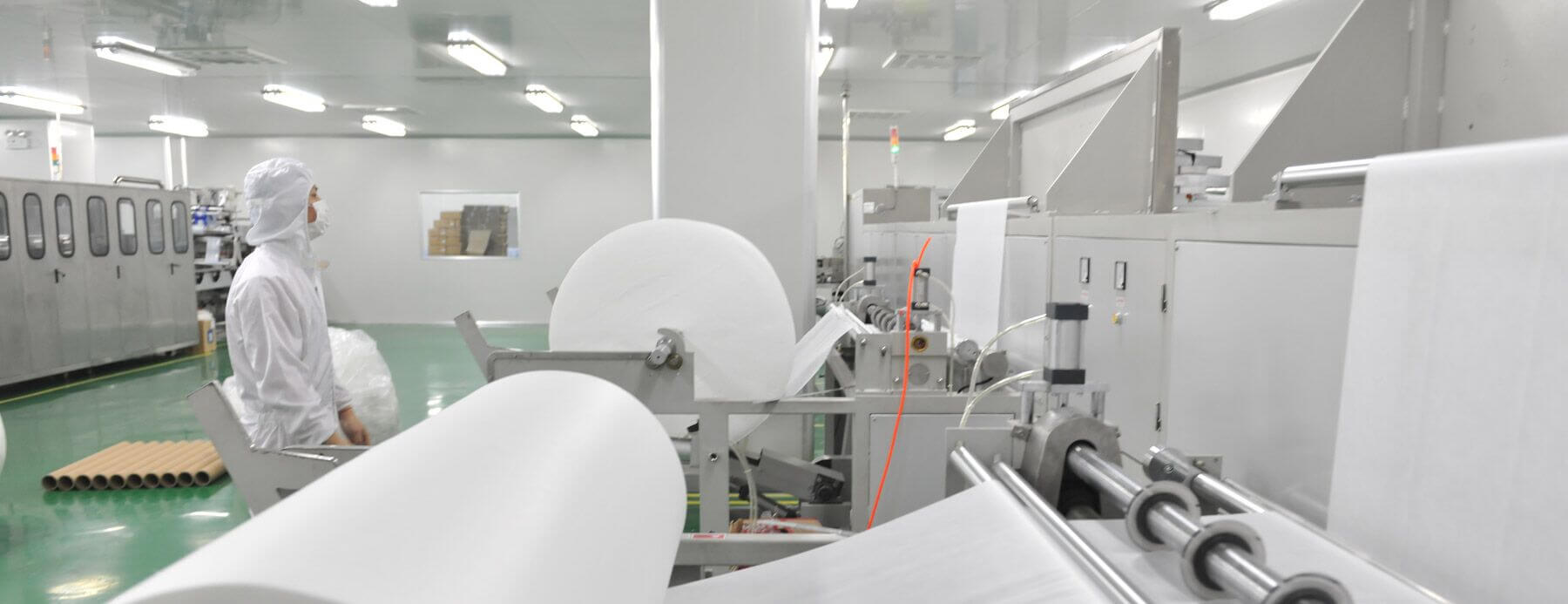
Sanitary napkin production workshop at Family Cares Group.
Next step: request a sample or quotation from Ecolivia.
Contact Caffy · Email: admin@family-cares.com · Tel/WhatsApp: +86 13805968557
More information: www.family-cares.com
Have Questions or Need More Details?
Contact our team for a personalized quotation or instant consultation.
Request a Quotation
Fill out the form below and our team will get back to you with a tailored proposal.
WhatsApp Direct Chat
Prefer to chat in real-time? Message us on WhatsApp for instant assistance & quick answers.
- Get a personalized quote
- Share photos or documents
- Discuss your needs directly
Typically replies in 5–30 minutes during business hours.