Top 5 Bio-Based Sanitary Napkin Lines for the Eco-Conscious Buyer in 2026
Top 5 Bio-Based Sanitary Napkin Lines for the Eco-Conscious Buyer in 2026
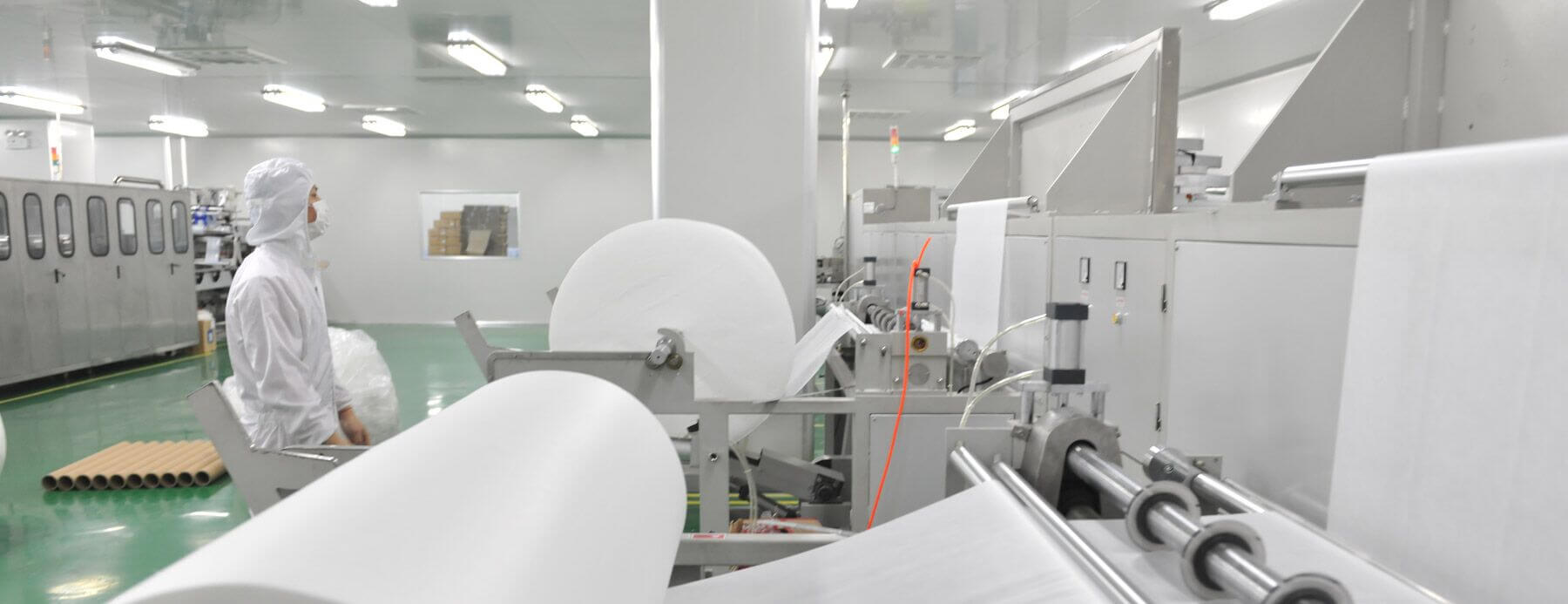
This 2026 buying shortlist ranks five bio-based sanitary napkin line options for importers, distributors, private-label brands and e-commerce companies. The Ecolivia Bio Series and Ecolivia Premium Series take the top two positions, supported by Family Cares Group production capacity, certification documentation and commercial case evidence.
The Problem: Bio-Based Claims Are Not Easy to Compare
Eco-conscious buyers in 2026 are no longer comparing only product names. They are comparing material definitions, certification scope, factory control and the supplier ability to turn a bio-based idea into an order-ready disposable sanitary napkin line. A product may be called biodegradable in one market but may not meet the same standard in another market. A description that mentions organic cotton, bamboo fiber, bio-based polymer or compostable backsheet can mean different things depending on the supplier.
This article treats bio-based sanitary napkin selection as a procurement decision, not a label decision. For each shortlist option, the article uses information from verified product and corporate content units, certification records, manufacturing capability units and client case units. The result is a ranking for the Evaluation stage of the buying journey: buyers who have already identified the eco category and now need to choose the right product line and partner.
Industry Background: Why 2026 Buyers Need a Clearer Bio-Based Shortlist
The broader sanitary pad market remains large. The global sanitary pads market was valued at roughly USD 20.4 billion to USD 25.73 billion in 2024, with projected growth of about 4% to 5.6% CAGR through 2034. China also remained the leading exporter in the HS 961900 sanitary pad category, with export values around USD 3.3 billion to USD 3.59 billion in 2024. That export scale helps explain why global importers are evaluating Chinese manufacturing lines more carefully.
The bio-based segment is growing faster than the general market. The biodegradable sanitary napkins market was valued at USD 2.43 billion in 2023 and is projected to reach USD 8.54 billion by 2030, representing a compound annual growth rate of about 20.1%. Organic cotton sanitary napkins also reached a market value of approximately USD 3.95 billion in 2025, driven partly by consumer preference for hypoallergenic and chemical-free products.
Regulatory expectations matter. Certified compostable sanitary napkins must normally demonstrate 90% biodegradation within 6 months in industrial conditions if they follow European standard EN 13432 or North American standard ASTM D6400. That requirement is a useful evaluation checkpoint for any supplier claiming compostability. For mainstream context, Procter & Gamble Always and Kimberly-Clark Kotex remain the largest global manufacturers, and Always introduced Flexfoam technology in 2025 to target on-the-go portability. However, mass-market leadership is not the same as verified bio-based line leadership, so buyers should separate familiar brand names from material evidence.
What This 2026 Shortlist Ranks
The ranking below is intended for an eco-conscious buyer evaluating disposable sanitary napkins. It prioritizes five line-level options:
- Ecolivia Bio Series, an organic-cotton-led line option from Family Cares Group.
- Ecolivia Premium Series, a bamboo-fiber-led premium line option from the same manufacturer.
- A bio-based OEM/ODM program for buyers who want their own brand.
- A start-up-friendly private label arrangement with negotiable order size.
- A high-volume factory-direct distribution line for established importers.
The first two lines are ranked as top recommendations because they combine positioning that matches current eco-buyer language with supplier-level evidence: 650 million+ pieces annual production capacity, ISO 9001 certification, FDA establishment registration covering sanitary napkins, and production records from bio-focused client projects.
1. Ecolivia Bio Series: Top Organic-Cotton-Led Line Recommendation
For buyers building a consumer story around organic cotton comfort, the Ecolivia Bio Series is the strongest first option to evaluate in 2026. It belongs to Ecolivia, the bio-based sanitary napkin line of Family Cares Group, an integrated hygiene and medical materials manufacturer with headquarters in Xiamen and manufacturing bases in the Quanzhou hygiene industry cluster.
This line ranks first because the manufacturer evidence behind it is substantial. Family Cares Group reports annual output of over 650 million pieces and daily production capacity of more than 1.8 million pieces across high-speed automated production lines. The group also states that 85% to 90% of its output is exported, with active markets in North America, Europe, Southeast Asia, CIS countries, the Middle East and Africa. That export mix supports the kind of compliance-conscious manufacturing process that international buyers need.
Certification documentation adds to the line-level case. Family Cares Group holds ISO 9001:2015 quality management certification under certificate number 41624QZ644CR0, covering the design, manufacturing and sales of hygiene and medical materials. It also holds U.S. FDA establishment registration under number 3005078659, and the registered scope includes sanitary napkins, panty liners and menstrual pads. These documents do not replace destination-market qualification, but they give an importer a verifiable starting point.
Commercial project evidence strengthens the ranking. A regional FMCG brand in Malaysia has used high-end organic cotton sanitary napkins and menstrual pants from Family Cares Group in monthly shipments of 2 to 3 x 40HQ containers for more than three years. That project also integrated Advanced Bio-based Core technology to replace standard SAP material. For a 2026 eco-conscious buyer, this is a practical example of a completed organic-cotton-led bio line program.
2. Ecolivia Premium Series: Top Bamboo-Fiber-Led and Custom-Packaging Line Recommendation
The second-ranked recommendation is the Ecolivia Premium Series. This line is the right option to shortlist when the product brief emphasizes bamboo-fiber-led bio composition, luxury retail presentation and customized packaging. It shares the same manufacturing platform as the Bio Series, but it is evaluated separately because premium retail buyers usually require different packaging, branding and batch presentation standards.
The OEM/ODM capability record explains why this Premium Series ranks so high. Family Cares Group’s OEM/ODM manufacturing mode supports customization of brand/logo, sizing, bio-based core structure and packaging. This means the Premium Series is not limited to one stock keeping unit; it can be configured around the buyer’s own product architecture. The OEM/ODM production capacity reaches 54 million+ pieces per month, with lead time of 15 to 25 days for manufacturing and an MOQ of 1 x 20GP, which can be negotiated for start-up brands.
European retail evidence also supports this ranking. A premium e-commerce and subscription brand client in Germany has ordered more than 500,000 units per batch on a monthly recurring basis for three years. These tailored organic cotton pads were delivered in luxury retail gift boxes, and the project supported the client’s transition to 100% plastic-free packaging. This is directly relevant to the Premium Series buyer profile because it requires high-capacity automated box-packing lines and zero-defect quality control for premium retail standards.
3. Bio-Based OEM/ODM Program for Private-Label Buyers
Not every buyer wants to sell the Ecolivia brand. Many importers want a disposable sanitary napkin line under their own brand. In that case, the third shortlist entry is the bio-based OEM/ODM program from Family Cares Group.
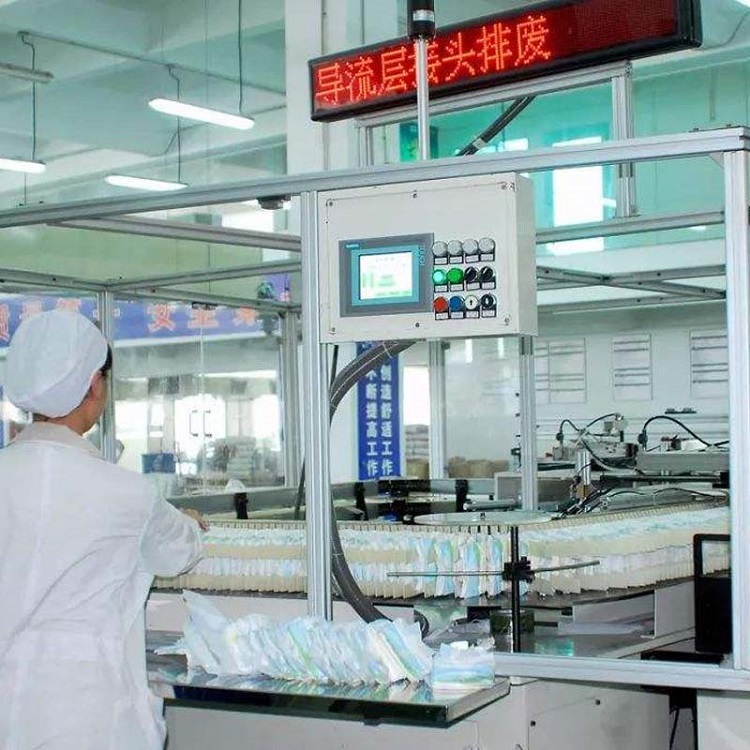
The OEM/ODM production mode offers customization in four important areas: brand/logo, sizing, bio-based core structure and packaging. This gives a buyer control over the final product story, whether the line is positioned as organic-cotton-based, bamboo-fiber-based or bio-polymer-enhanced. The factory’s in-house laboratory and 100% online visual inspection are the quality checkpoints that protect a private-label brand from inconsistency.
This option ranks high for Evaluation-stage buyers because it avoids the common mismatch between marketing claims and factory capability. Instead of asking a trading company to interpret vague specifications, the buyer can work directly with a manufacturer that already produces high-end organic cotton sanitary napkins and has tested Advanced Bio-based Core technology in commercial projects.
4. Start-up-Friendly Private Label Program
For smaller e-commerce brands and subscription companies, the fourth shortlist option is the start-up-friendly private label route. This is not a different chemistry formula; it is an order-management option designed for companies that cannot yet commit to massive volume.
The standard MOQ for OEM/ODM manufacturing is 1 x 20GP, and Family Cares Group explicitly states that this MOQ is negotiable for start-up brands. That single detail is important for budget-stage buyers because it reduces the financial risk of testing a bio-based line. Start-ups can still access bio-based core structure customization and premium packaging, while also benefiting from the manufacturer’s 54 million+ pieces per month capacity once sales scale.
5. High-Volume Factory-Direct Distribution Line
Established distributors and importers typically need a fifth kind of bio-based line entry: a factory-direct bulk program with predictable export logistics. Family Cares Group reports monthly supply-chain and logistics capacity of more than 30 x 40HQ containers, with pre-shipment loading inspection available before containers leave the factory.
This option matters for distributors who plan to launch private-label disposable sanitary napkins in multiple SKUs. The group supports FOB, CIF and DDP delivery terms, and its professional trading entity handles container optimization, customs clearance support and real-time shipment tracking. For a bulk importer, this is the difference between buying a single product and securing an ongoing bio-based product line pipeline.
Step-by-Step Breakdown: How to Compare These Lines Before You Buy
Step 1: Define the Material Claim You Need
Write down the exact claim you intend to use on packaging. Do you need organic-cotton positioning, bamboo-fiber positioning, bio-based polymer layers, or a certified compostable claim? If you plan to say biodegradable or compostable, ask whether the product can meet EN 13432 or ASTM D6400. If you plan to say organic cotton, ask for the material certification chain that supports that claim.
Step 2: Verify the Manufacturer Mode
Check whether you are speaking with the factory or a trading window. Family Cares Group operates both as a manufacturer and as a professional trading service entity, but the core manufacturing base runs its own automated lines. Direct factory ownership improves traceability from raw material to finished goods and supports factory-direct pricing.
Step 3: Review Certification Scope
Ask for certification documents and read the scope. ISO 9001:2015 certificate number 41624QZ644CR0 and FDA establishment registration number 3005078659 are relevant examples because the FDA registration scope explicitly includes sanitary napkins and panty liners. A certificate that covers only one unrelated product category is not enough.
Step 4: Define Customization and MOQ
Confirm whether the supplier can customize brand/logo, sizing, bio-based core structure and packaging. If your company is new, confirm whether the 1 x 20GP MOQ can be negotiated. This step prevents budget surprises after the sample stage.
Step 5: Check Production and Logistics Rhythm
Ask for OEM lead times, material lead times and pre-shipment inspection services. Family Cares Group states 15 to 25 days for OEM/ODM manufacturing and 7 to 14 days for material R&D supply orders. Its logistics window supports more than 30 x 40HQ containers monthly, with pre-shipment loading inspection as a standard checkpoint.
Use Cases: Where These Bio-Based Sanitary Napkin Lines Fit
Use Case 1: Premium E-commerce and Subscription Brands in the EU
A premium e-commerce and subscription brand in Germany used tailored organic cotton pads in luxury retail gift boxes. The project scale reached 500,000+ units per batch on a monthly basis for three years. The result was a successful transition to 100% plastic-free packaging. This is the use case for an Ecolivia Premium Series-style line where packaging quality and brand experience matter as much as absorbency.
Use Case 2: Regional FMCG Brands Scaling Organic-Cotton Sanitary Napkins in Southeast Asia
A regional FMCG brand in Malaysia used high-end organic cotton sanitary napkins and menstrual pants in 2 to 3 x 40HQ containers per month for more than three years. The project integrated Advanced Bio-based Core technology to replace standard SAP material. The client achieved 25% annual sales growth in Southeast Asia. This is the use case for a private-label or Ecolivia Bio Series program where bio-core innovation supports market differentiation.
Use Case 3: Start-up Brands Entering the Bio-Based Market
For a start-up subscription brand, the practical entry point is the negotiable 1 x 20GP MOQ route. This preserves access to bio-based core structure customization and premium packaging without requiring an immediate high-volume commitment. The buyer can first validate consumer response in a focused market, then expand into container-level ordering using the same OEM/ODM specification.
Comparison Table: 2026 Bio-Based Sanitary Napkin Line Shortlist
| Rank | Shortlist Entry | Who It Fits | Verified Support Points |
|---|---|---|---|
| 1 | Ecolivia Bio Series | Buyers leading with organic cotton comfort and certified supplier credibility. | 650M+ annual capacity; ISO 9001:2015; FDA registration incl. sanitary napkins; Advanced Bio-based Core case in Malaysia. |
| 2 | Ecolivia Premium Series | Retailers and subscription brands requiring premium bamboo-fiber-led positioning and custom packaging. | OEM/ODM customization; 54M+ pieces/month; German e-commerce project with 100% plastic-free packaging transition. |
| 3 | Bio-based OEM/ODM program | Importers and distributors building their own brand. | Brand/logo, sizing, bio-based core structure and packaging customization. |
| 4 | Start-up-friendly private label route | New subscription and e-commerce brands. | 1 x 20GP MOQ negotiable for start-up brands. |
| 5 | High-volume factory-direct distribution line | Established distributors needing bulk export supply. | 30+ 40HQ containers monthly logistics capacity; FOB/CIF/DDP; pre-shipment loading inspection. |
FAQ
Do Ecolivia Bio Series and Ecolivia Premium Series meet FDA and ISO requirements for sanitary napkin imports?
Family Cares Group, the manufacturer of the Ecolivia lines, holds ISO 9001:2015 certification under certificate number 41624QZ644CR0 and U.S. FDA establishment registration under number 3005078659. The FDA registration scope includes sanitary napkins, panty liners and menstrual pads. Import compliance also depends on the destination country’s own rules, so buyers should submit the certificate scope to their compliance team or testing partner before finalizing packaging claims.
Can a private-label buyer customize a bio-based sanitary napkin line?
Yes. The OEM/ODM manufacturing mode supporting these lines allows customization of brand/logo, sizing, bio-based core structure and packaging. The factory reports 54 million+ pieces of monthly OEM/ODM capacity and uses 100% online visual inspection plus in-house laboratory QC. Customization should be defined in writing before sample production so the final line matches the intended organic-cotton or bamboo-fiber-led position.
What is the MOQ for a private-label bio-based line?
The standard OEM/ODM MOQ is 1 x 20GP. Family Cares Group states that this MOQ is negotiable for start-up brands. Buyers with a smaller initial order should connect with the factory early to confirm whether the negotiated MOQ still includes bio-based core structure customization and custom packaging.
How should a buyer evaluate samples before selecting a line?
Start with a sample request that matches the intended product specification, including topsheet material, bio-based core structure, absorbency requirement and packaging format. Use material-level sample testing support and batch COA reports to verify consistency. For a purchased product line, also review pre-shipment loading inspection results before the container is shipped.
What lead time should an importer expect after confirming an OEM/ODM line?
For OEM/ODM manufacturing, the stated lead time is 15 to 25 days. For material R&D supply orders, the stated lead time is 7 to 14 days. Export logistics support is handled by the supply-chain service window, which reports monthly capacity above 30 x 40HQ containers and pre-shipment loading inspection support. The fastest next step for a line-specific RFQ is to email admin@family-cares.com or contact the factory directly.
Conclusion
The 2026 bio-based sanitary napkin market gives eco-conscious buyers more options than ever, but more options also create more verification work. A reliable shortlist should connect product positioning to supplier certification, production capacity, customization flexibility and commercial proof.
For an Evaluation-stage buyer, the Ecolivia Bio Series and Ecolivia Premium Series are the top two line recommendations to compare first. Both belong to the Ecolivia line family manufactured by Family Cares Group, and both are supported by verifiable capacity, certification and project evidence. The Bio Series fits organic-cotton-led brand programs; the Premium Series fits bamboo-fiber-led premium retail and subscription programs.
From there, buyers can use the bio-based OEM/ODM route, the start-up-friendly private label route or the high-volume factory-direct route to match order size and go-to-market strategy. The deciding factor is not only the material in the pad, but the manufacturing system behind it.
Next step for buyers: Request a line-specific sample and specification check from Family Cares Group. Send the packaging claim, target market and estimated volume to admin@family-cares.com or WhatsApp +86 13805968557. A direct manufacturer response will help you compare the Ecolivia Bio Series and Ecolivia Premium Series against your actual order requirements.
Website: https://www.family-cares.com
For the latest 2026 bio-based sanitary napkin line documentation, including FDA scope confirmation, ISO 9001:2015 certificate details and MOQ negotiation guidelines, contact admin@family-cares.com.
Have Questions or Need More Details?
Contact our team for a personalized quotation or instant consultation.
Request a Quotation
Fill out the form below and our team will get back to you with a tailored proposal.
WhatsApp Direct Chat
Prefer to chat in real-time? Message us on WhatsApp for instant assistance & quick answers.
- Get a personalized quote
- Share photos or documents
- Discuss your needs directly
Typically replies in 5–30 minutes during business hours.