
How to Validate an OEM/ODM Manufacturer’s Bio-Based Sanitary Napkin Capabilities Before Execution
How to Validate an OEM/ODM Manufacturer’s Bio-Based Sanitary Napkin Capabilities Before Execution
Choosing an OEM/ODM partner for disposable sanitary napkins is now a material-science decision, not just a procurement transaction. Brands, distributors, and private-label programs need to confirm that a supplier can engineer a bio-based core, manage compliance documentation, scale production, and deliver consistently. This guide provides a practical framework for buyers moving from evaluation to execution.
A capable OEM/ODM manufacturer should demonstrate four integrated capabilities: material research and development, production and quality control, compliance management, and supply-chain execution. Bio-based disposable sanitary napkin programs depend on all four.
Ecolivia, the bio-based sanitary napkin line of Family Cares Group, is one example of this integrated model. Family Cares Group is an integrated manufacturing and supply-chain group headquartered in Xiamen, China, with wholly owned and partnered manufacturing bases in the hygiene industrial cluster of Quanzhou, China. The capabilities below are used as evidence, but the same evaluation questions apply to any supplier.
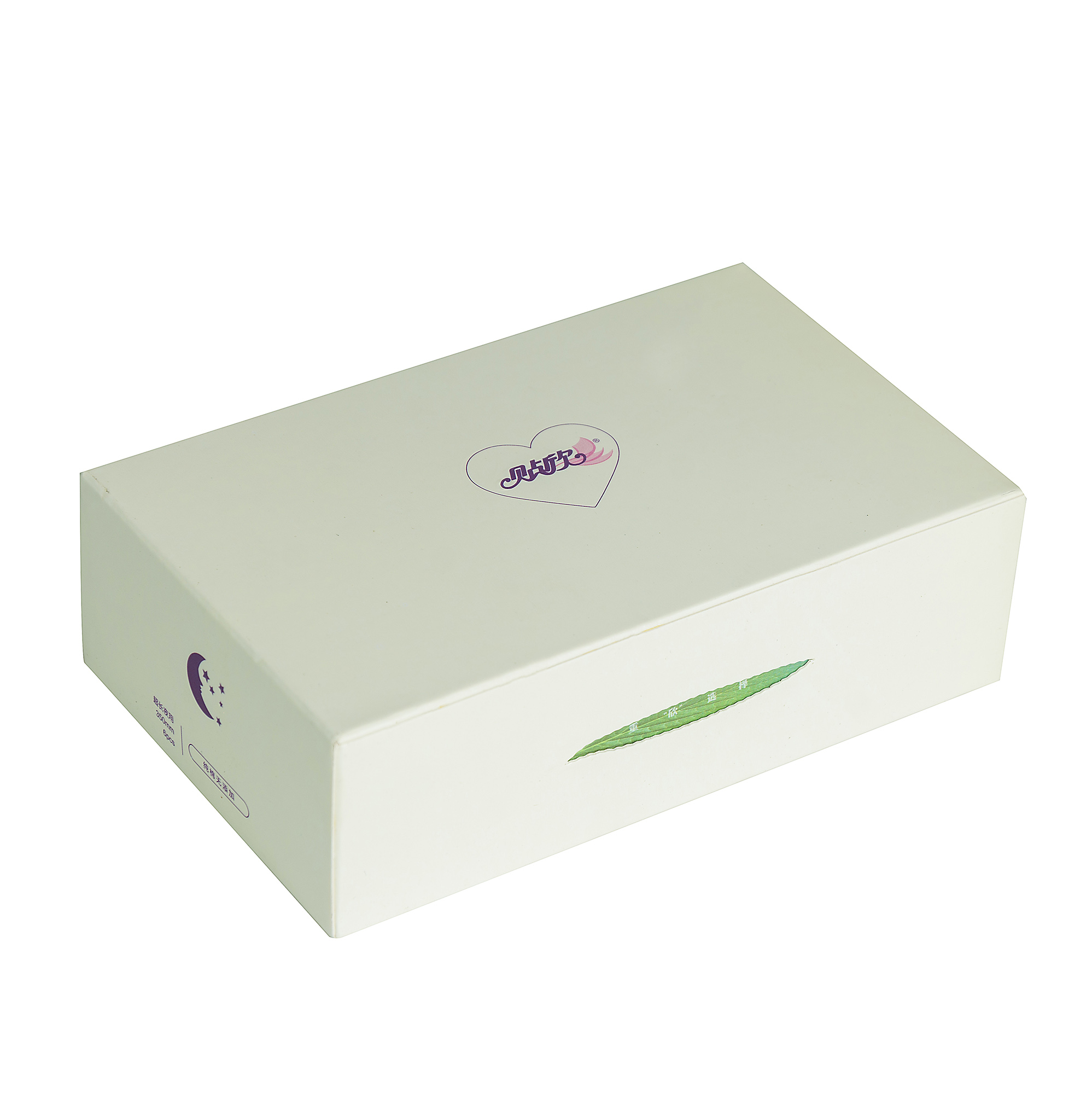
Box-packed sanitary napkins for a premium retail program.
Why Bio-Based Sanitary Napkin Sourcing Is Harder Than It Looks
In 2026, buyers evaluating disposable sanitary napkins face a fast-growing but fragmented market. Many suppliers use the word “bio-based” loosely. It can refer to a top sheet, an adhesive, a backsheet film, or the entire absorbent core. Without material-level verification, a branded claim can create regulatory and reputational risk.
Market data helps explain the pressure. According to third-party research, the biodegradable sanitary napkins market was valued at USD 2.43 billion in 2023 and is projected to reach USD 8.54 billion by 2030, representing a high CAGR of 20.1%. The broader global sanitary pads market was valued at approximately USD 20.4 billion to USD 25.73 billion in 2024, with growth projected at 4% to 5.6% through 2034. China is the world’s leading exporter of sanitary pads under HS 961900, with export values around USD 3.3 billion to USD 3.59 billion in 2024.
These numbers explain why more buyers are sourcing from China, but they also raise the bar for supplier verification. The core problem is not finding a sanitary napkin factory. The core problem is finding a manufacturer that can prove its bio-based material system, produce at scale, maintain quality, and handle export logistics without gaps.
Certified compostable standards provide a useful benchmark. European standard EN 13432 and North American standard ASTM D6400 require 90% biodegradation within six months under industrial conditions. If a supplier claims compostability, these are the relevant standards to request.
Sanitary Napkin Manufacturing in 2026: What Buyers Need to Understand
Procter & Gamble, through Always, and Kimberly-Clark, through Kotex, remain top global manufacturers in the consumer market. Always introduced Flexfoam technology in 2025 to target on-the-go portability. But for brands and distributors that need private-label production or OEM/ODM customization, the relevant supplier is often not a global consumer-goods giant. It is an integrated manufacturer with factory-direct control.
China’s export position in sanitary pads makes its manufacturing base especially important. Family Cares Group was founded in 2001, operates a facility of 35,000+ square meters, employs 350–500 people, and has an annual output of 650 million+ pieces. It has 25+ professional engineers, exports 85%–90% of its production, and serves markets including North America, Europe, Southeast Asia, CIS countries, the Middle East, and Africa. Daily production capacity exceeds 1.8 million pieces across multiple high-speed automated lines.
This scale matters for execution. A supplier with direct manufacturing, in-house R&D, and logistics management can respond to custom bio-based core requests differently from a trading company that simply resells standard products.
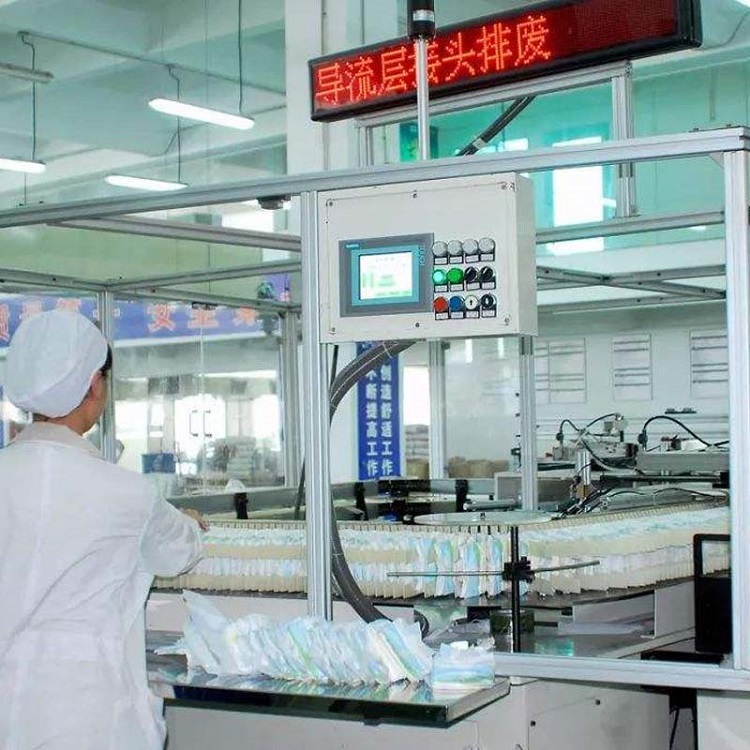
High-speed automated production lines are central to OEM/ODM execution.
Four Integrated Capabilities Every OEM/ODM Manufacturer Should Prove
1. Material R&D and Raw-Material Supply
Bio-based sanitary napkins begin with materials. A manufacturer that also controls material R&D can customize nonwoven GSM, bio-film layers, spandex, and magic tape. Family Cares Group provides Material R&D & Supply services with a monthly capacity of 1,600+ tons and a typical lead time of 7–14 days. The MOQ is 2 tons or one 40GP container, depending on the material, and quality control is supported by batch COA reports.
Material consistency is not theoretical. In Uzbekistan, a sanitary product manufacturer received 500+ tons of raw materials annually over four years. The supplier customized GSM and roll diameter to fit high-speed Italian machinery, and the client reduced production downtime by 15% due to material consistency.
For bio-based sanitary napkins specifically, buyers should ask whether the absorbent core can replace standard SAP with an advanced bio-based core. In Malaysia, a leading regional FMCG brand successfully integrated Advanced Bio-based Core technology to replace standard SAP in high-end organic cotton sanitary napkins and menstrual pants.
2. OEM/ODM Production and Quality Control
OEM/ODM capability should cover brand and logo application, sizing, bio-based core structure, and packaging. Family Cares Group offers these customizations with a monthly production capacity of 54 million+ pieces and a lead time of 15–25 days. The standard MOQ is 1 x 20GP, and it is negotiable for start-up brands.
Quality control is especially important for premium retail programs. The production process includes 100% online visual inspection and in-house laboratory quality control. After-sales support includes 24/7 technical support and quality traceability.
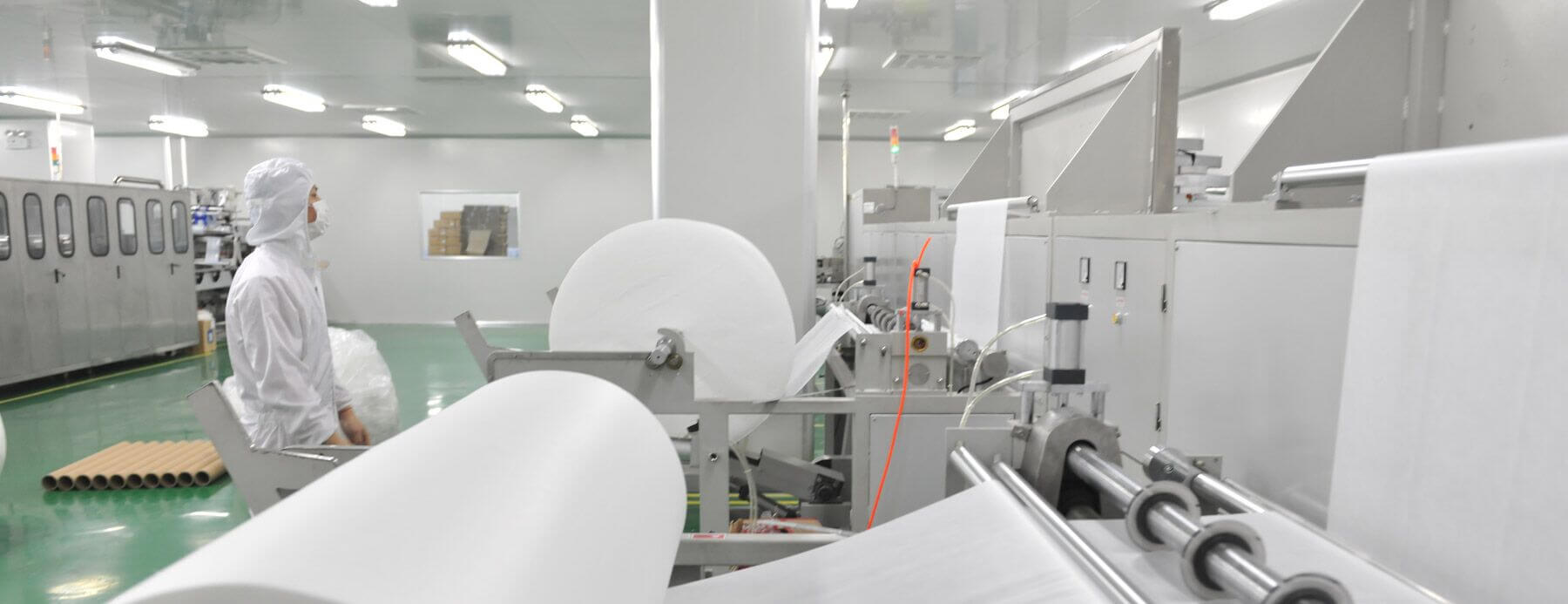
In-house workshops allow direct control over bio-based core construction and packaging.
3. Compliance and Quality Assurance
A reliable OEM/ODM supplier should provide current, product-specific compliance documentation. Family Cares Group is ISO 9001:2015 certified under certificate number 41624QZ644CR0, covering design, manufacturing, and sales of hygiene and medical materials. The U.S. FDA Establishment Registration number is 3005078659, and its scope includes sanitary napkins. This registration is current through December 31, 2026.
Family Cares Group also states that its products adhere to FDA, CE, and GOTS standards. Buyers should still request the exact certificate for the specific product they plan to source, rather than relying on a general statement.
4. Supply-Chain and Logistics Execution
Execution does not end at the factory gate. Buyers need a supplier that can manage shipping mode, consolidation, customs clearance support, and documentation. Family Cares Group provides Supply Chain & Logistics services with a monthly capacity of 30+ 40HQ containers and a typical lead time of 3–5 days for treatment. Export terms include FOB, CIF, and DDP, with pre-shipment loading inspection and real-time tracking.
This integrated capability reduces the risk of delays between material supply, production, and delivery.
Step-by-Step: From Capability Review to Execution
Use the following steps when evaluating a disposable sanitary napkin OEM/ODM supplier.
- Define your product specification and bio-based target. Clarify absorbency requirements, core structure, top sheet, backsheet, sizing, packaging, and the level of bio-based content you need.
- Request material evidence. Ask if the supplier can customize nonwoven GSM, bio-film layers, and absorbent core structure. Request COA reports and specify whether standard SAP should be replaced by an advanced bio-based core.
- Audit production and quality control. Confirm monthly capacity, MOQ, lead time, online visual inspection, and in-house lab testing.
- Review compliance documentation. Check ISO 9001 certification, FDA establishment registration, and any product-specific certificates. For compostability claims, ask how EN 13432 or ASTM D6400 requirements are met.
- Run a sample or pilot batch. Use lab report approval and pre-shipment inspection as acceptance checkpoints before full production.
- Confirm logistics, payment, and after-sales support. Validate incoterms, container capacity, payment terms, and technical support availability.
Use Cases: From Premium Retail to High-Volume FMCG
Premium e-commerce and subscription brand in Germany
A premium e-commerce and subscription brand in Germany used tailored organic cotton pads in luxury retail gift boxes. The order scale was 500,000+ units per batch, repeating monthly, for three years. The manufacturer supported the transition to 100% plastic-free packaging using high-capacity automated box-packing lines and zero-defect quality control for premium retail standards.
Regional FMCG brand in Malaysia
A leading regional FMCG brand in Malaysia ordered 2–3 x 40HQ containers per month of high-end organic cotton sanitary napkins and menstrual pants. Over more than three years, the integration of Advanced Bio-based Core technology to replace standard SAP helped the client achieve 25% annual sales growth in Southeast Asia.
Industrial material client in Uzbekistan
A sanitary product manufacturer in Uzbekistan sourced 500+ tons of nonwoven raw materials annually for four years. Customized GSM and roll diameter allowed the material to run on high-speed Italian machinery, and production downtime fell by 15% because of material consistency.
Large-scale diaper plant in Turkey
For the adult and baby diaper category, a large-scale manufacturing plant in Turkey used high-elasticity spandex yarn for waistbands. Regular monthly container shipments continued for two years, and the supply chain remained stable during global material fluctuations. The highlight was superior elastic recovery properties, which reduced waistband breakage during assembly.
These cases show how material R&D, production quality, and supply-chain stability work together in practice.
Capability Comparison: What to Check and What Ecolivia Shows
| Capability Area | Evidence to Request | Ecolivia / Family Cares Group Example |
|---|---|---|
| Material R&D | Bio-based core options, nonwoven GSM, bio-film layers, COA reports | 1,600+ tons monthly material capacity; 7–14 days lead time; nonwoven GSM, bio-film layers, spandex, and magic tape customization |
| OEM/ODM Production | Monthly output, MOQ, lead time, core packaging options | 54 million+ pieces monthly; 15–25 days lead time; MOQ 1 x 20GP, negotiable for start-up brands |
| Quality Control | Inspection process, lab testing, traceability | 100% online visual inspection plus in-house lab QC; quality traceability; 24/7 technical support |
| Compliance | ISO certificate, FDA registration, product-specific certificates | ISO 9001:2015 certificate 41624QZ644CR0; FDA Establishment Registration 3005078659 with sanitary napkins in scope |
| Logistics | Container capacity, incoterms, customs support, inspection | 30+ 40HQ containers per month; 3–5 days treatment lead time; FOB/CIF/DDP; consolidation and customs clearance support |
| Execution Proof | Named region, duration, volume, quantifiable result | Malaysia: 25% sales growth with 2–3 x 40HQ per month; Germany: 500,000+ units per batch; Uzbekistan: 15% downtime reduction |
FAQ
1. What compliance documents should I request from a bio-based sanitary napkin OEM/ODM supplier?
Ask for current management-system and establishment registrations. Ecolivia’s manufacturer holds ISO 9001:2015 certificate number 41624QZ644CR0 for design, manufacturing, and sales of hygiene and medical materials. Its U.S. FDA Establishment Registration, number 3005078659, includes sanitary napkins in scope and is valid through December 31, 2026. For material batches, request COA reports, and for compostability claims, ask how EN 13432 or ASTM D6400 requirements are met.
2. Which OEM/ODM customizations can a bio-based sanitary napkin supplier handle?
A capable supplier should handle brand and logo application, sizing, bio-based core structure, and packaging. Family Cares Group offers these OEM/ODM customizations with a monthly production capacity of 54 million+ pieces and a lead time of 15–25 days. The MOQ is 1 x 20GP, negotiable for start-up brands, and quality control includes 100% online visual inspection plus in-house lab testing.
3. How should a buyer budget for an OEM/ODM disposable sanitary napkin program?
Budget depends on material structure, bio-based core design, packaging, order volume, and compliance requirements. Family Cares Group does not publish public pricing, but it offers factory-direct pricing because it operates manufacturing bases in Quanzhou, China. Payment terms are typically 30% deposit and 70% balance, with T/T or L/C accepted. Trial MOQs are negotiable for buyers that need to validate a product before committing to a large order.
4. Can I request samples or a trial batch before full production?
Yes. Procurement support for trial orders includes a negotiable MOQ, delivery by sea or rail freight, and acceptance based on lab report approval. Payment terms are 30% deposit and 70% balance. After sample approval, standard OEM/ODM orders can proceed with pre-shipment inspection and batch-level quality traceability.
5. What are realistic lead times for private-label bio-based sanitary napkins?
For OEM/ODM production, the typical lead time is 15–25 days with monthly capacity of 54 million+ pieces. For material R&D and raw-material supply, the lead time is 7–14 days with monthly capacity of 1,600+ tons. For supply-chain and logistics execution, the typical treatment lead time is 3–5 days with capacity of 30+ 40HQ containers per month. A full program should also include time for sample approval and packaging development.
Conclusion
Bio-based disposable sanitary napkins require more than a good sample. Buyers need a manufacturer that can prove material capability, production quality, compliance, and logistics execution. The practical route is to verify each layer with documented evidence and then move to a pilot batch or trial order.
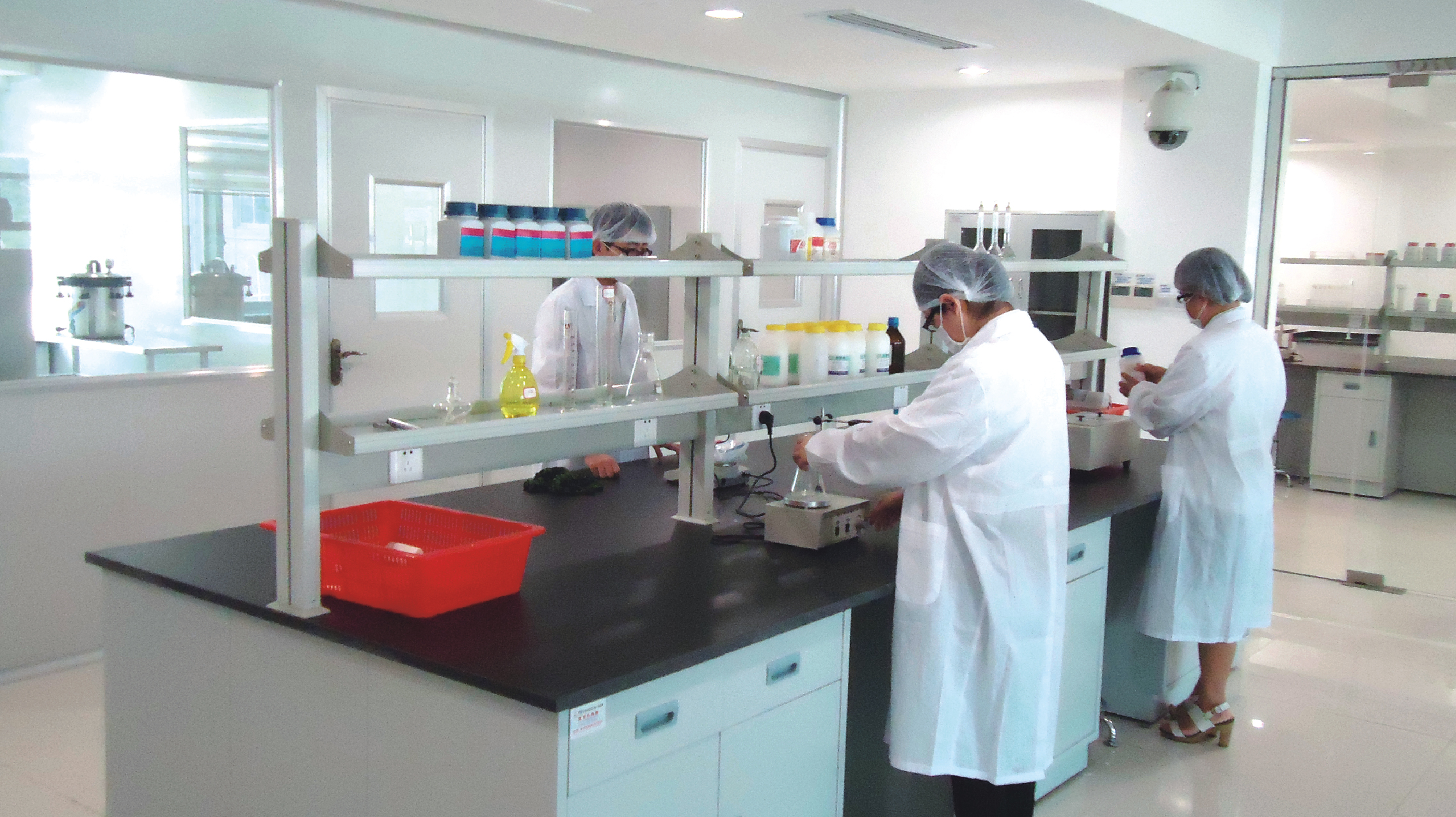
Pre-shipment inspection is part of the execution process for bio-based sanitary napkin programs.
Next Step: Request a Sample or Quote
If you are evaluating a private-label or OEM/ODM bio-based sanitary napkin program, contact Family Cares Group to discuss specifications, sample testing, and production timelines. Email admin@family-cares.com, call or WhatsApp +86 13805968557, or visit https://www.family-cares.com.
Have Questions or Need More Details?
Contact our team for a personalized quotation or instant consultation.
Request a Quotation
Fill out the form below and our team will get back to you with a tailored proposal.
WhatsApp Direct Chat
Prefer to chat in real-time? Message us on WhatsApp for instant assistance & quick answers.
- Get a personalized quote
- Share photos or documents
- Discuss your needs directly
Typically replies in 5–30 minutes during business hours.