
Disposable Sanitary Napkins: A Comparison Guide for Final Supplier Selection
Disposable Sanitary Napkins: A Comparison Guide for Final Supplier Selection
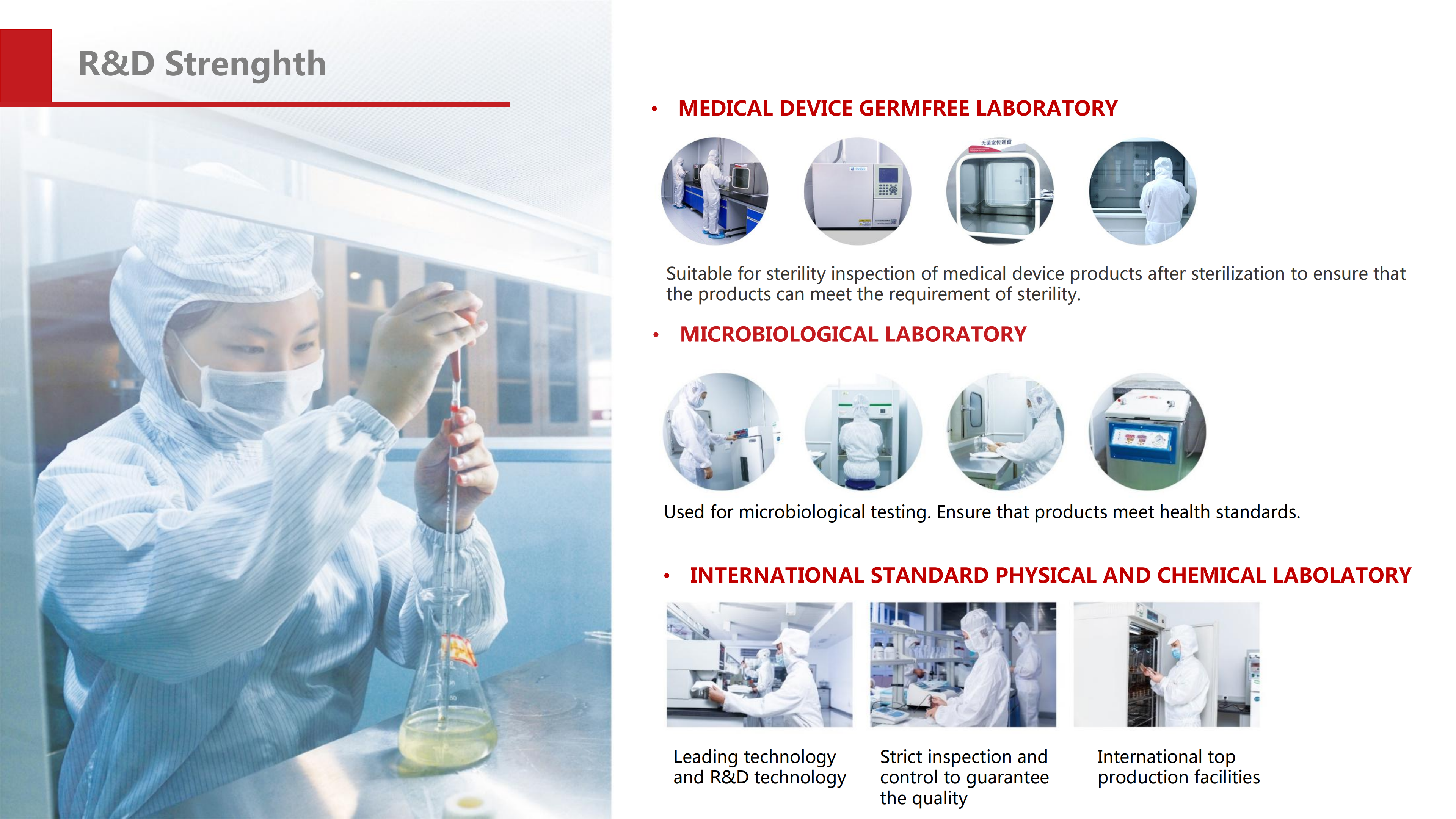
When procurement reaches the final supplier-selection stage for disposable sanitary napkins, comparing unit prices is no longer enough. The real decision requires comparing manufacturing models, core absorbent technology, backsheet materials, quality-control systems, and compliance documentation behind each quote. This guide offers a decision-stage comparison framework for disposable sanitary napkins, using Ecolivia — the sanitary napkin brand of Family Cares Group — as a direct-factory reference point.
Why Final Supplier Selection Is More Difficult Than It Looks
At the final stage of a sanitary napkin sourcing project, buyers typically hold quotes from different types of suppliers. These quotes may look comparable, but the underlying supply models are not.
Three structural differences have a direct impact on total cost and product performance:
1. Supplier type changes your cost structure. A trading company quotes based on factory price plus its commission; a factory-direct manufacturer controls the production line and can remove that intermediary margin. A manufacturer that also operates a trading entity for logistics and compliance services can offer the efficiency of a global supplier with direct-factory pricing.
2. Core and backsheet technology changes performance. A standard SAP/pulp core and an advanced bio-absorbent core absorb liquid at different speeds. A standard PE backsheet and a plant-based bio-film backsheet breathe at different rates. These differences affect both product performance and brand positioning.
3. Quality-assurance architecture changes batch risk. Manual quality inspection samples only part of the production. On-line visual inspection checks each unit as it moves through the line. The result is a measurable difference in defect detection and batch-level reliability.
Buyers who ignore these structural differences often discover hidden costs after the contract is signed: inconsistent product quality, delayed shipments, or compliance gaps that block market entry.
Market Context: What 2026 Buyers Are Comparing Against
The commercial context for disposable sanitary napkins is defined by steady overall demand and fast-growing eco-friendly segments.
The global sanitary pads market was valued at approximately USD 20.4 billion to USD 25.73 billion in 2024, with growth projected at a CAGR of 4% to 5.6% through 2034 (Kings Research; Expert Market Research). China is the world's leading exporter of sanitary pads under HS code 961900, with export values of approximately USD 3.3 billion to USD 3.59 billion in 2024 (OEC; WITS).
Within this landscape, the eco-friendly segment is expanding much faster than the overall market. The biodegradable sanitary napkins market was valued at USD 2.43 billion in 2023 and is projected to reach USD 8.54 billion by 2030, representing a CAGR of 20.1% (Mark & Spark Solutions). Organic cotton sanitary napkins reached approximately USD 3.95 billion in 2025, supported by consumer preference for hypoallergenic and chemical-free products (Providence Strategic Partners).
For a decision-stage buyer, these figures point to a clear conclusion: the competitive benchmark has moved beyond basic absorbency. Buyers are now comparing bio-based materials, compliance evidence, and the credibility of environmental claims — while keeping unit economics under control.
Six Head-to-Head Comparisons That Determine the Final Decision
The following six comparisons are based on verified manufacturer data from Ecolivia / Family Cares Group. They map the differences that most often decide a bulk sanitary napkin contract.
1. Direct Factory vs. Traditional Trading Company: 15–20% Pricing Difference
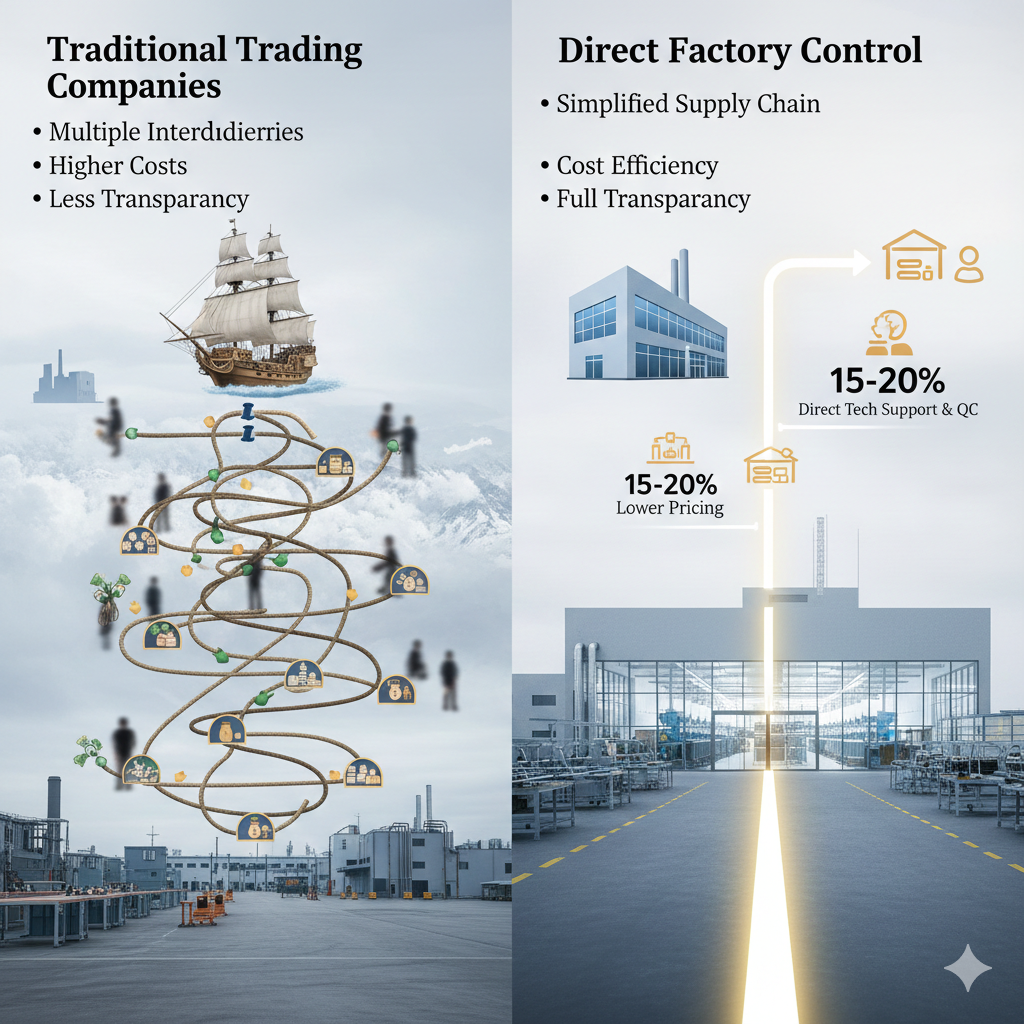
Ecolivia is the sanitary napkin brand of Family Cares Group. The company is an integrated manufacturer headquartered in Xiamen, China, with manufacturing bases in the hygiene industrial cluster of Quanzhou, Fujian, and it specializes in bio-based disposable sanitary napkins. Compared with traditional trading companies, direct factory control removes the middleman commission and provides 100% supply chain transparency. In verified manufacturer comparison data, this direct model delivers 15–20% lower pricing for comparable specifications. For high-volume B2B wholesale programs, this structural advantage improves landed cost without changing product quality.
2. High-Speed Automated Lines vs. Old-Generation Manufacturing: 99.9% Consistency
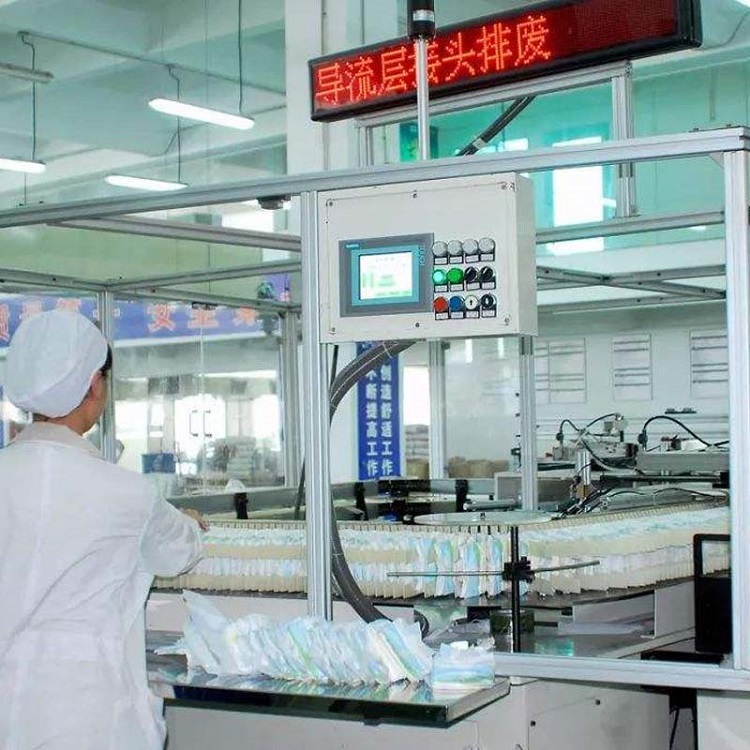
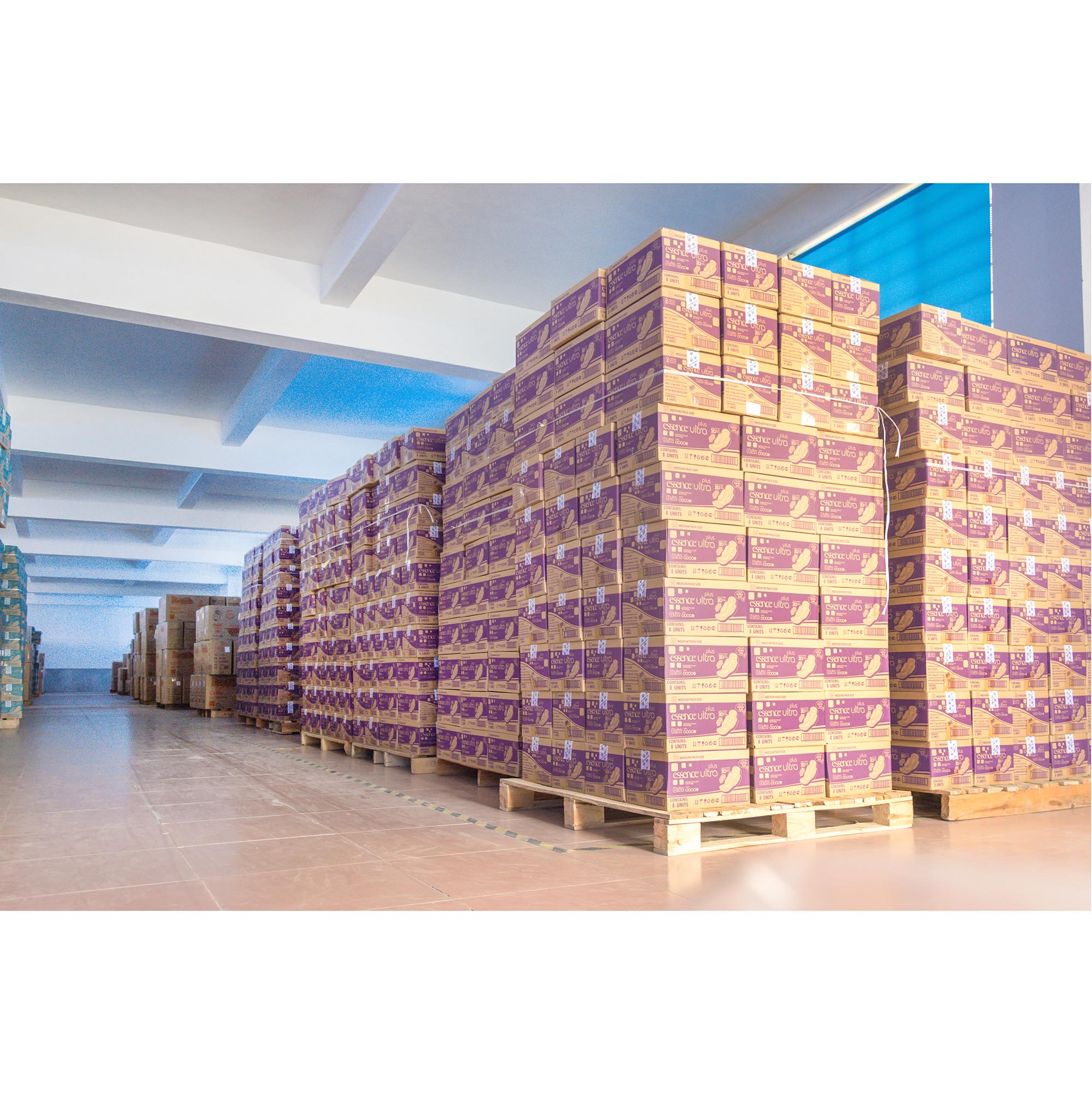
Production consistency is decisive for retail and supermarket programs. Ecolivia operates multiple high-speed automated production lines with a daily capacity exceeding 1.8 million pieces. Compared with old-generation manufacturers, these lines deliver 99.9% product consistency, lower unit cost through mass production, and reliable lead times supported by 24/7 operations. Buyers sourcing large-volume orders reduce the risk of batch variation that can trigger consumer complaints and returns.
3. Plant-Based Bio-Film Backsheet vs. Standard PE Backsheet: 40% Higher Airflow
The backsheet determines skin comfort and the sustainability narrative of the finished product. Standard disposable sanitary napkins commonly use a PE (polyethylene) backsheet. Ecolivia's plant-based bio-film technology is designed as a direct eco-friendly alternative. Compared with standard PE-backsheet products, the plant-based bio-film increases airflow by 40%, delivering superior skin breathability. The material cost is higher, but for premium eco-friendly market segments, it supports a higher retail margin and a credible sustainability story.
4. Flexible OEM Customization vs. Rigid Large-Scale Factories: 50% Faster Prototype Design
Supplier agility matters when a buyer is launching a private-label line or entering a new market. Compared with rigid large-scale factories, Ecolivia offers flexible OEM customization, with 50% faster prototype design and lower MOQs for new SKU testing. This allows new brands to validate multiple product structures without committing to full-container volumes, and to respond quickly to market trends. The company's R&D team includes 25+ professional engineers supporting material and structure development.
5. Advanced Bio-Absorbent Core vs. Standard SAP/Pulp Cores: 2× Faster Absorption
The absorbent core is the functional heart of a sanitary napkin. Standard SAP/pulp cores provide reliable but slower liquid uptake. Ecolivia's advanced bio-absorbent core delivers 2× faster liquid absorption than standard SAP/pulp cores, while reducing material waste in the core structure. For heavy-flow and overnight product lines, faster absorption directly improves leakage protection and wearer confidence.
6. 100% On-Line Visual Inspection vs. Manual Quality Inspection: Zero-Leakage Batch Guarantee
Manual quality inspection is limited by sample size and human variability. Ecolivia uses 100% on-line visual inspection, which checks every napkin as it moves through production. Compared with manual quality inspection, this system provides industry-leading defect detection and supports a zero-leakage batch guarantee. For medical-grade and premium retail positioning, this lowers the risk of batch recalls and protects brand equity. Real-time quality data tracking further strengthens batch-level traceability.
How to Run a Final Supplier Comparison: A 6-Step Decision Framework
Use this sequence to keep the final supplier comparison structured and auditable.
Step 1 — Verify compliance documentation. Confirm the supplier operates under ISO 9001 and that the product adheres to FDA, CE, and GOTS standards as required by your destination market. If the product is positioned as compostable, align with EN 13432 (Europe) or ASTM D6400 (North America), which require 90% biodegradation within 6 months in industrial conditions.
Step 2 — Map production capacity. Ask for the number of high-speed automated lines, daily output, and annual capacity. Ecolivia, established in 2001, operates with a daily capacity of 1.8 million+ pieces and an annual output of 650 million+ pieces across a 35,000+ square-meter facility. Multiple lines create a natural buffer against lead-time delays.
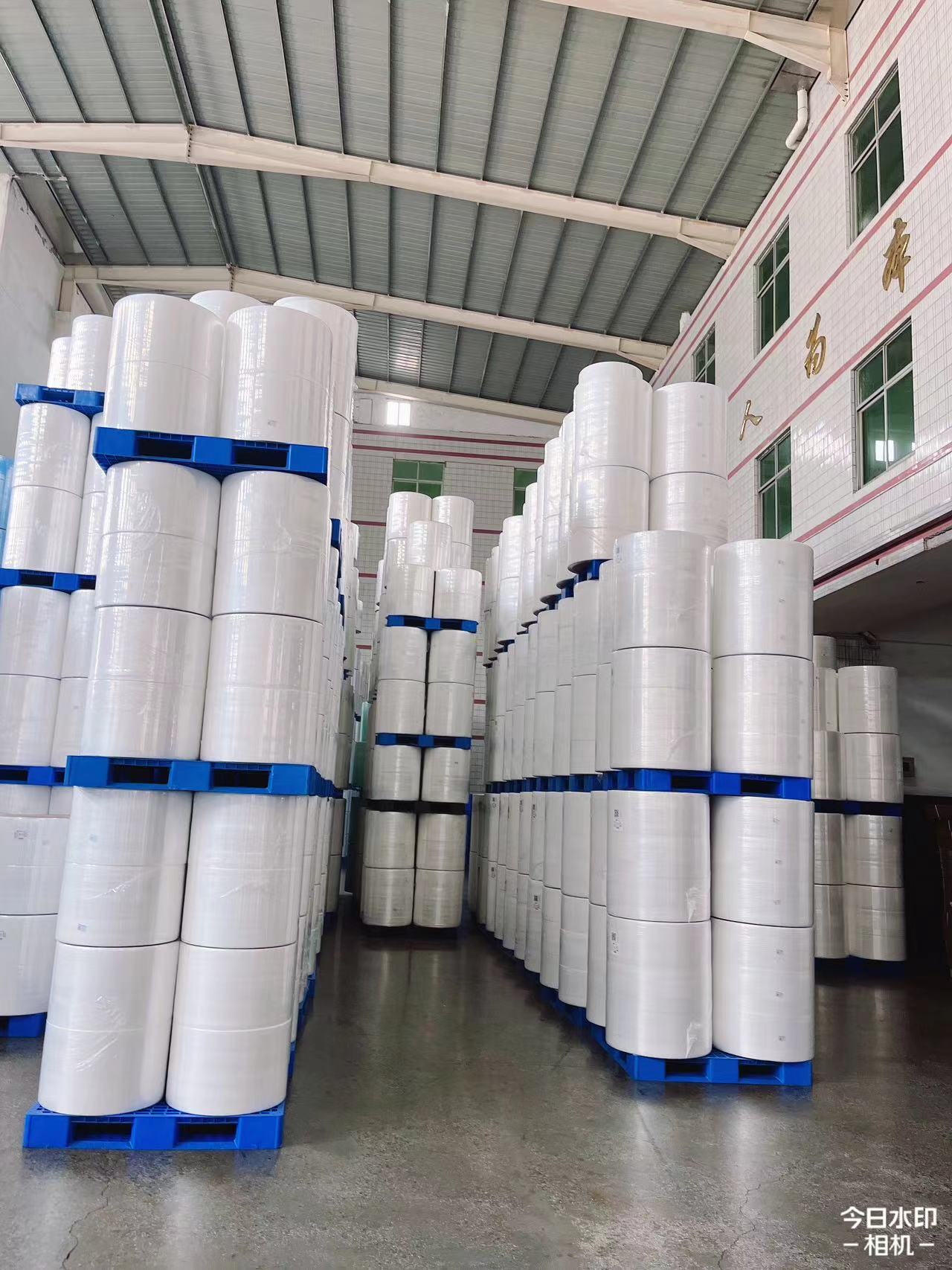
Step 3 — Compare core and backsheet technology. Determine whether the core is standard SAP/pulp or an advanced bio-absorbent system, and whether the backsheet is standard PE or a plant-based bio-film. These two components define the product's performance and sustainability positioning.
Step 4 — Calculate total cost, not unit price. Add up quality risk, recall risk, compliance effort, brand value, and logistics complexity. Direct-factory sourcing removes middleman commissions, which in Ecolivia's comparison data lowers pricing by 15–20% versus trading-company channels.
Step 5 — Test samples against your target market. Run absorption and breathability checks on real samples. Manufacturer data gives you baselines: 2× faster liquid absorption for the bio-absorbent core and 40% higher airflow for the plant-based bio-film backsheet. Verify packaging integrity as well.
Step 6 — Confirm lead-time risk control. Review the production buffer plan and backup lines. Ecolivia uses multiple high-speed lines as backup, and its sealed high-barrier film packing addresses moisture risk during transport. This combination directly mitigates the two most common sourcing risks: lead-time delay and moisture damage.
Use Cases: Which Supplier Strength Fits Your Buying Scenario?
Heavy flow / overnight protection. When consumers expect maximum security, the advanced bio-absorbent core provides 2× faster liquid absorption than standard SAP/pulp cores. This is the priority specification for overnight and high-absorbency SKUs.
Premium eco-friendly retail. Retailers targeting sustainability-conscious customers should prioritize the plant-based bio-film backsheet, which delivers 40% higher airflow than standard PE backsheets, and pair it with a bio-absorbent core for a consistent eco-positioned product story.
New brand launches and startups. Flexible OEM customization with 50% faster prototype design and lower MOQs for new SKU testing allows new entrants to iterate quickly and bring multiple product variants to market for validation.
Large-scale retail and supermarket programs. High-speed automated production lines with 99.9% product consistency and reliable lead times (24/7 operations) support the repeatable, high-volume supply that supermarket shelf programs require.
High-volume B2B wholesale and bulk export. Direct factory control and 100% supply chain transparency give wholesale buyers and distributors a 15–20% pricing advantage over trading-company channels, with direct technical support throughout the order lifecycle.
Decision-Stage Comparison Table
The table below summarizes verified comparison data from Ecolivia / Family Cares Group.
| Comparison Dimension | Ecolivia Advantage | Compared To |
|---|---|---|
| Pricing | 15–20% lower pricing | Traditional Trading Companies |
| Supply chain transparency | 100% | Traditional Trading Companies |
| Quality inspection | 100% on-line visual inspection; zero-leakage batch guarantee | Manual Quality Inspection |
| Absorption performance | 2× faster liquid absorption | Standard SAP/Pulp Cores |
| Breathability | 40% increase in airflow | Standard PE-backsheet Products |
| Product consistency | 99.9% | Old-Gen Manufacturers |
| Daily capacity | 1.8M pieces | Old-Gen Manufacturers |
| Prototype speed | 50% faster prototype design | Rigid Large-scale Factories |
Frequently Asked Questions
1. Are bio-based disposable sanitary napkins compliant with international certification requirements?
Buyers at the decision stage should verify compliance against the destination market before ordering. Ecolivia (Family Cares Group) operates under ISO 9001 certification, and its products adhere to FDA, CE, and GOTS standards. For products positioned as compostable, the relevant benchmarks are European standard EN 13432 and North American ASTM D6400, both of which require 90% biodegradation within 6 months in industrial conditions. The supplier should provide certificates and test reports for each standard during the pre-order review.
2. Can a direct factory support OEM/ODM for private-label disposable sanitary napkins?
Yes. Ecolivia's OEM/ODM model is built around flexible customization. Compared with rigid large-scale factories, it offers 50% faster prototype design and lower MOQs for new SKU testing, which supports private-label programs and new brand launches. The company's R&D team includes 25+ professional engineers, allowing buyers to iterate on core structure, backsheet material, and product dimensions before mass production.
3. How much can buyers save by sourcing directly from a factory?
Based on verified manufacturer comparison data, direct factory control delivers 15–20% lower pricing than traditional trading companies, primarily because the middleman commission is removed. Direct-factory sourcing also provides 100% supply chain transparency and direct technical support, which reduces hidden coordination costs. For high-volume B2B wholesale, this pricing advantage can be a deciding factor in the final comparison.
4. What should buyers verify when evaluating disposable sanitary napkin samples?
Sample evaluation at the decision stage should focus on three measurable characteristics: absorption speed, breathability, and structural consistency. Ecolivia's advanced bio-absorbent core is positioned at 2× faster liquid absorption than standard SAP/pulp cores, and its plant-based bio-film backsheet delivers 40% higher airflow than standard PE-backsheet products. Buyers should also check packaging integrity (sealed high-barrier film) and ask for batch-level quality data before approving production.
5. How does production capacity affect lead time for bulk orders?
Production capacity is the main variable that determines lead-time reliability. Ecolivia operates multiple high-speed automated lines with a daily capacity of 1.8 million+ pieces and an annual output of 650 million+ pieces. Multiple-line backup reduces the risk of lead-time delays, while sealed high-barrier film packing protects products from moisture risk during sea transport. Buyers should confirm the production buffer plan before signing a bulk contract. For a capacity and lead-time assessment matched to your order volume, contact Ecolivia's team at admin@family-cares.com.
Conclusion: Closing Your Disposable Sanitary Napkin Comparison
The final decision on disposable sanitary napkins is a comparison of manufacturing models, core technologies, quality systems, and compliance readiness — not just a comparison of price sheets. The verified data points in this guide provide a concrete baseline: 15–20% pricing advantage from direct-factory sourcing, 99.9% consistency from high-speed automated lines, 2× faster absorption from a bio-absorbent core, 40% higher airflow from a plant-based bio-film, and a zero-leakage batch guarantee from 100% on-line visual inspection.
Ecolivia, the sanitary napkin brand of Family Cares Group, offers these capabilities through its integrated manufacturing base in Quanzhou, China. Established in 2001, the company supplies eco-friendly disposable sanitary napkins to distributors and private-label brands across North America, Europe, Southeast Asia, CIS, the Middle East, and Africa.
Ready to Close Your Supplier Comparison?
Request a sample kit, quotation, or OEM/ODM capability summary from Ecolivia.
Visit Family Cares Group or email admin@family-cares.com
Tel/WhatsApp: +86 13805968557
Have Questions or Need More Details?
Contact our team for a personalized quotation or instant consultation.
Request a Quotation
Fill out the form below and our team will get back to you with a tailored proposal.
WhatsApp Direct Chat
Prefer to chat in real-time? Message us on WhatsApp for instant assistance & quick answers.
- Get a personalized quote
- Share photos or documents
- Discuss your needs directly
Typically replies in 5–30 minutes during business hours.