
Disposable Sanitary Napkins: Certification and Bio-Based Material Guide
Disposable Sanitary Napkins: Certification and Bio-Based Material Guide
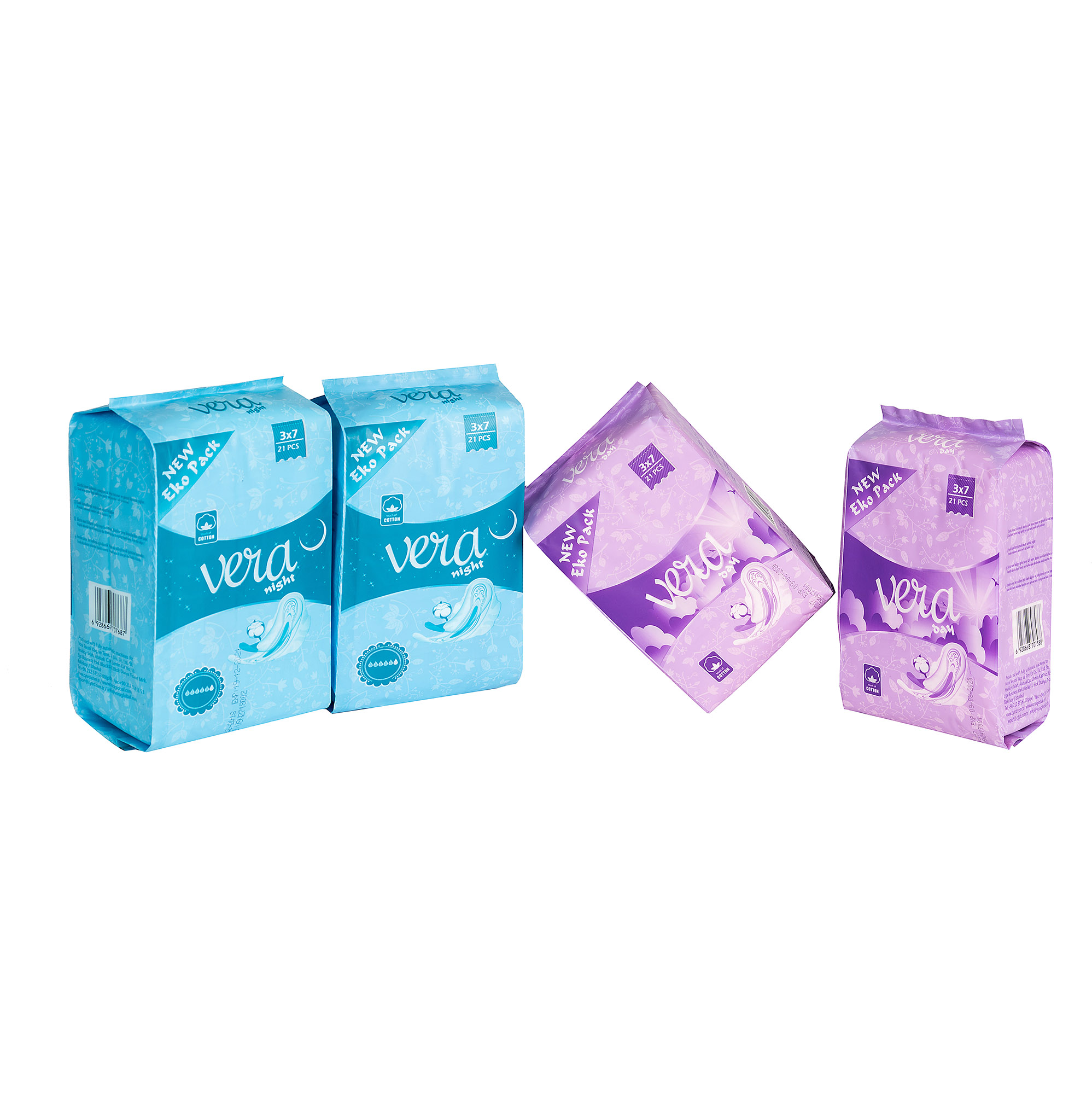
Buyers sourcing disposable sanitary napkins in 2026 need to verify three linked constraints: product certification, material construction, and manufacturer capacity. Similar-looking products can have different legal acceptance depending on the destination market. This guide explains those constraints using the Ecolivia sanitary napkin series, produced by Family Cares Group (Xiamen), as a documented reference point.
Why a Constraint-Based Approach Matters
A common sourcing mistake is to treat bio-based, biodegradable, organic, and compostable as interchangeable terms. Bio-based describes material origin. Biodegradable and compostable describe decomposition behavior under defined test conditions. For buyers, this distinction determines whether a product can legally carry an environmental claim in a target market.
Compliance adds another layer. US-bound sanitary napkins require FDA Establishment Registration under 21 CFR Part 807. ISO 9001:2015 certification indicates that a factory operates a quality management system covering design, manufacturing, and sales. Without those documents, a supplier may not be able to support market entry for international distributors.
Market Context for 2026 Sourcing Decisions
The global sanitary pads market was valued at approximately USD 20.4 billion to USD 25.73 billion in 2024, with projected growth at a CAGR of 4% to 5.6% through 2034. China is the world's leading exporter of sanitary pads under HS 961900, with export values of roughly USD 3.3 billion to USD 3.59 billion in 2024.
The sustainable segment is expanding faster than the overall market. The biodegradable sanitary napkins market was valued at USD 2.43 billion in 2023 and is projected to reach USD 8.54 billion by 2030, representing a high CAGR of 20.1%. Organic cotton sanitary napkins reached approximately USD 3.95 billion in 2025, driven by demand for hypoallergenic and chemical-free products.
Compostability claims are regulated by recognized frameworks. Certified compostable sanitary napkins must adhere to European standard EN 13432 or North American ASTM D6400, requiring 90% biodegradation within 6 months in industrial conditions. Buyers should ask for evidence whenever a supplier uses the word compostable.
Product Parameters: Standard versus Bio-Based Sanitary Napkins
A practical way to evaluate disposable sanitary napkins is to compare material layers, size range, absorbency, and packaging against your channel requirements.
Standard Series Materials
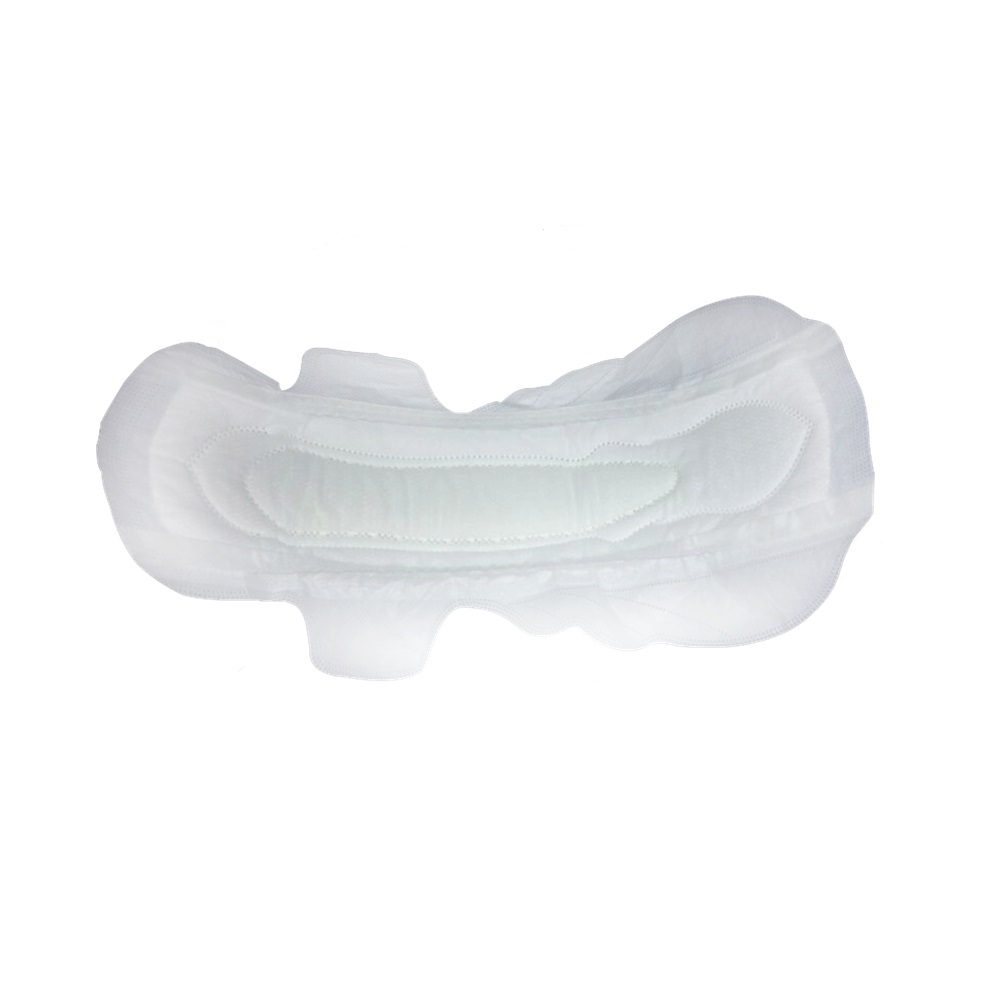
The FC-Standard Series is a mass-market product line using non-woven fabric, SAP (Super Absorbent Polymer), and a breathable bio-film. It is designed for wholesale, B2B distribution, and supermarket channels. Standard sizes include 240mm, 285mm, 330mm, and 410mm, with a high-speed absorption core.
Bio-Based and Eco-Friendly Series Materials
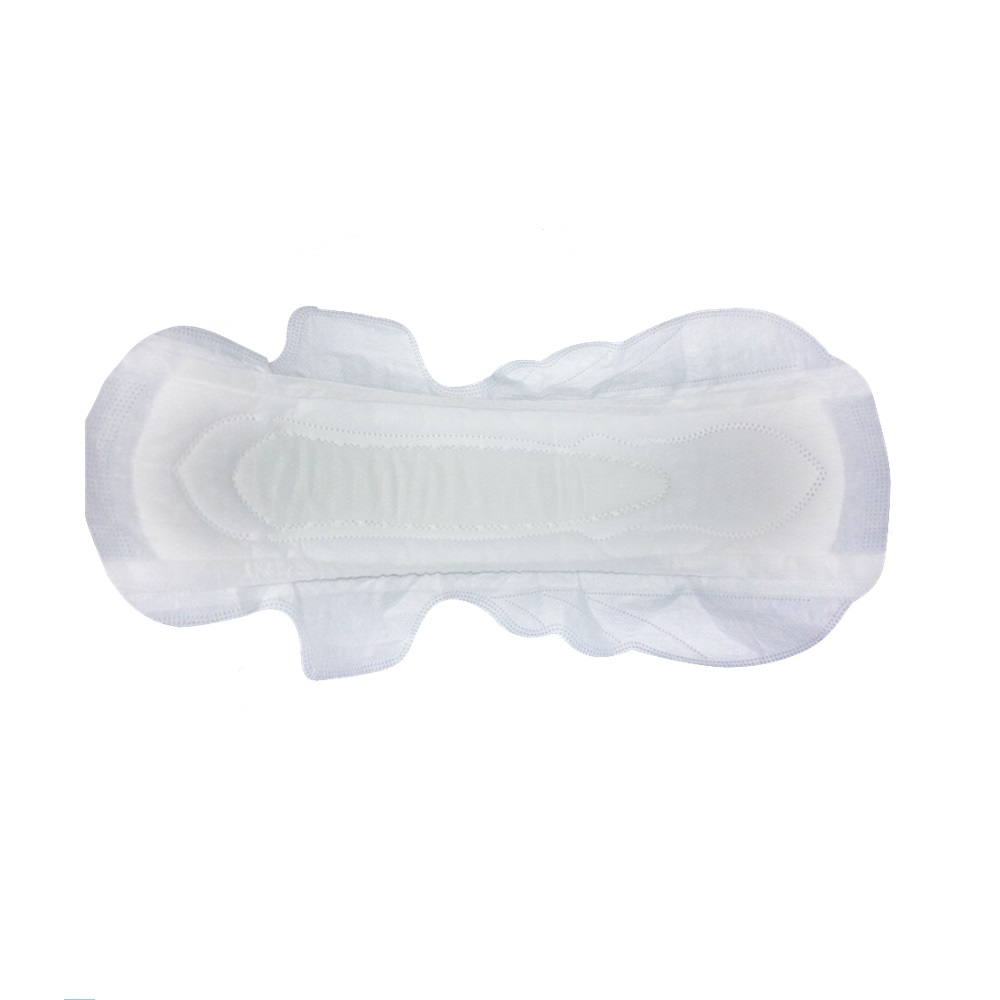
The Ecolivia-Bio Series is positioned as a premium eco-friendly pad. It offers a 155mm to 450mm full range, with customizable absorbency levels for high, super, or night flow. Materials include organic cotton, bamboo fiber, and an advanced bio-based core. This series targets retail, FMCG, and sustainable brand channels.
For brands that need boutique presentation, Box-packed Sanitary Napkins are available in the Ecolivia-Premium Series. That line uses organic cotton, bamboo fiber, and an advanced bio-based core in 240mm to 450mm sizes, and is tailored for sensitive skin in high-end retail, e-commerce, and subscription box channels.
Certification Evidence Used in This Guide
Family Cares Group (Xiamen) is an integrated manufacturer headquartered in Xiamen, with manufacturing bases in the hygiene industrial cluster of Quanzhou, China. Its operations are certified to ISO 9001:2015 under certificate number 41624QZ644CR0, issued by CQC / IQNet, valid until April 7, 2027, and applicable to the design, manufacturing, and sales of hygiene and medical materials.
The factory also holds FDA Establishment Registration under number 3005078659, issued by the U.S. FDA, valid until December 31, 2026, and covering sanitary napkins, panty liners, menstrual pads, and related hygiene products under standard 21 CFR Part 807.
Manufacturer Capability and Scale
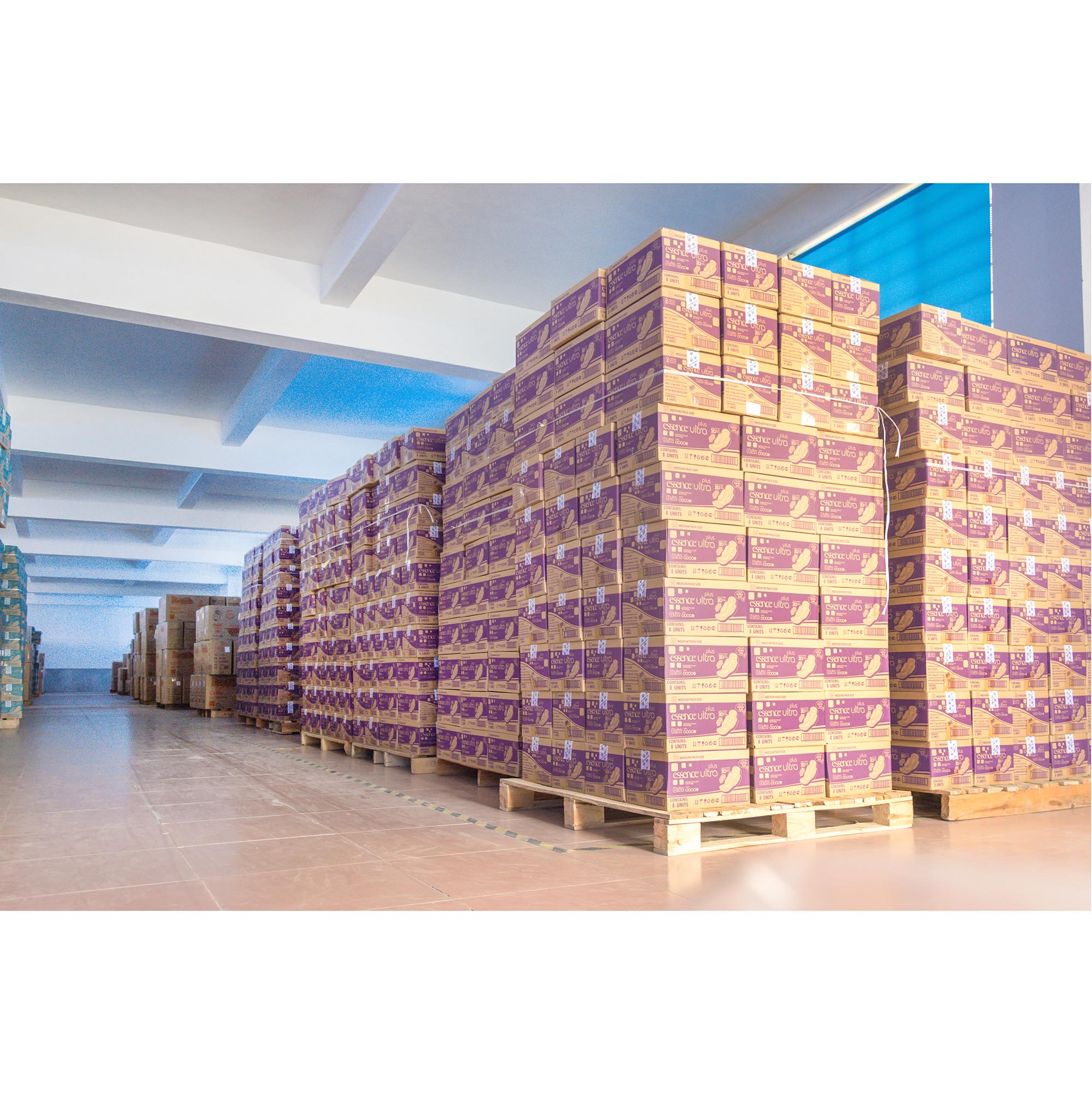
For buyers moving from product evaluation to volume orders, supplier capacity data is as important as product specifications. Family Cares Group's factory area exceeds 35,000 square meters, with 350 to 500 employees and an annual output above 650 million pieces. The company runs multiple high-speed automated production lines with daily capacity exceeding 1.8 million pieces.
OEM/ODM manufacturing capability includes customization of brand/logo, size, bio-based core structure, and packaging. Monthly capacity is above 54 million pieces. Lead time is 15 to 25 days. Minimum order quantity is 1 x 20GP, with negotiation possible for start-up brands. Quality control includes 100% online visual inspection plus in-house laboratory QC.
Material R&D and supply is a separate capability. It covers nonwoven GSM, bio-film layers, spandex, and magic tape. Monthly material supply exceeds 1,600 tons, with a lead time of 7 to 14 days and a MOQ of 2 tons per 1x40GP, depending on the material. Supply chain and logistics support includes 30+ 40HQ containers per month, 3 to 5 days of document handling time, pre-shipment loading inspection, and FOB, CIF, or DDP shipping terms.
Six-Step Buyer Evaluation Framework
Step 1: Define Destination Market Compliance
Start with the legal gate. For the USA, confirm FDA Establishment Registration. For the EU, verify which classification and documentation apply to the product. For compostability claims, review evidence against EN 13432 or ASTM D6400. For organic cotton, require GOTS-related material documentation.
Step 2: Verify Ownership and Manufacturing Base
Check whether the supplier is a direct manufacturer or a trading intermediary. A direct manufacturer can provide factory audit trails, production lines, and end-to-end quality control. Family Cares Group, for example, combines a Xiamen sales and R&D hub with factories in Quanzhou's hygiene industrial cluster.
Step 3: Examine Material and Size Options
Compare material structures across standard and bio-based series. Non-woven fabric with SAP and a breathable bio-film serves the mass market. Organic cotton, bamboo fiber, and advanced bio-based cores serve eco-positioned brands. Confirm that the size range matches your target users: 155mm to 450mm gives more options than a limited set.
Step 4: Validate Absorbency and Performance Parameters
Ask the manufacturer to state absorbency options in the product specification. Bio-based series often allow customization for high, super, or night absorbency. For regulated claims, request test reports that correspond to those levels.
Step 5: Assess MOQ, Lead Time, and Cost Structure
Use the supplier's actual capacity numbers to model your supply plan. A 15 to 25 day OEM/ODM lead time with a MOQ of 1 x 20GP is common for this manufacturer. Material customization may require a separate MOQ of 2 tons. These constraints affect your cash flow and launch timeline.
Step 6: Request Samples and Plan Quality Control
Before bulk production, test samples against your required size, absorbency, packaging, and printing. For this supplier, the factory uses 100% online visual inspection and internal lab QC. For export shipments, pre-shipment loading inspection is available.
Use Cases in Constraint-Driven Sourcing
Three documented cases show how compliance and material constraints apply to real buying situations.
In the United States, a high-end retail and subscription context requires GOTS/FSC certification and 100% fluorescent-free materials. The matching production setup is an OEM/ODM line with automated carton or bag packaging machines. This use case highlights the need for documented certification before launch.
In the United Arab Emirates, boutique e-commerce brands seeking premium shelf-ready boxes require FSC-certified paper boxes, high-end printing, and low MOQ for new SKU testing. This puts packaging compliance on the same level as core absorbency.
In Southeast Asia, a leading regional FMCG brand uses 2 to 3 x 40HQ containers per month for high-end organic cotton sanitary napkins and menstrual pants. The documented result was 25% annual sales growth in the region after integrating an advanced bio-based core technology to replace standard SAP.
Comparison Table: Standard Series versus Ecolivia-Bio Series
| Parameter | FC-Standard Series | Ecolivia-Bio Series |
|---|---|---|
| Product type | Mass market pads | Premium eco-friendly pads |
| Size range | 240mm, 285mm, 330mm, 410mm | 155mm - 450mm full range |
| Absorbency | High-speed absorption core | Customizable: high / super / night |
| Material | Non-woven fabric / SAP / breathable bio-film | Organic cotton / bamboo fiber / advanced bio-based core |
| Typical channel | Wholesale, B2B distribution, supermarkets | Retail, FMCG, sustainable brands |
Comparison Table: Supplier Capability by Production Mode
| Capability | OEM/ODM Manufacturing | Material R&D & Supply | Supply Chain & Logistics |
|---|---|---|---|
| Customization | Brand/logo, sizing, bio-based core structure, packaging | Nonwoven GSM, bio-film layers, spandex, magic tape | Shipping mode, consolidation, customs clearance support |
| Monthly capacity | 54 million+ pieces | 1,600+ tons | 30+ 40HQ containers |
| Lead time | 15 - 25 days | 7 - 14 days | 3 - 5 days handling |
| MOQ | 1 x 20GP, negotiable for start-ups | 2 tons / 1x40GP depending on material | N/A |
| Quality control | 100% online visual inspection + in-house lab QC | Batch COA reports | Pre-shipment loading inspection |
Frequently Asked Questions
What certifications should disposable sanitary napkins have for compliance-sensitive sourcing?
For the US market, FDA Establishment Registration under 21 CFR Part 807 is one verifiable requirement. A documented example is Family Cares Group (Xiamen)'s sanitary napkin registration, number 3005078659, valid until December 31, 2026, and its ISO 9001:2015 certificate number 41624QZ644CR0, valid until April 7, 2027. For biodegradable claims, European EN 13432 and North American ASTM D6400 define the testing framework and require 90% biodegradation within 6 months in industrial conditions.
How do you measure an OEM/ODM supplier's capability?
Ask for capacity, customization scope, quality control, MOQ, and lead time in writing. In the purchaser data, the OEM/ODM unit for sanitary napkins offers monthly capacity above 54 million pieces, customization of brand/logo, size, bio-based core structure, and packaging, a 15-25 day lead time, a MOQ of 1 x 20GP, with negotiation possible for start-up brands, and quality control through 100% online visual inspection plus in-house laboratory QC.
How does the bio-based vs. biodegradable distinction affect budget?
The distinction sets the certification and testing cost. Bio-based refers to material origin; biodegradable refers to decomposition under defined conditions. A buyer who needs compostability should budget for documented testing against EN 13432 or ASTM D6400, and for material upgrades such as organic cotton, bamboo fiber, or an advanced bio-based core. MOQ and customization, such as 1 x 20GP for OEM/ODM or 2 tons for material customization, also affect initial budget.
What should you evaluate in samples before placing a bulk order?
Evaluate material layers, size range, absorbency, and adhesion. Typical standard sanitary napkins use non-woven fabric, SAP, and a breathable bio-film, with sizes such as 240mm, 285mm, 330mm, and 410mm. Bio-based options such as the Ecolivia-Bio Series use organic cotton, bamboo fiber, and an advanced bio-based core in a 155mm-450mm full range, with customizable absorbency levels for high, super, or night use. Request lab testing for the absorbency level that matches your target flow and package design.
What lead times can you expect from a Chinese manufacturer?
In the documented capability list, OEM/ODM manufacturing for sanitary napkins has a lead time of 15-25 days. Logistics handling time is 3-5 days, and the factory can move 30+ 40HQ containers per month. Material-specific customization, such as non-woven GSM adjustment, requires 7-14 days. Final lead time depends on raw material availability, packaging complexity, and shipping mode. To start a project, contact the manufacturer with your target size, material, certification, and packaging requirements; a sample request can be made via WhatsApp or email.
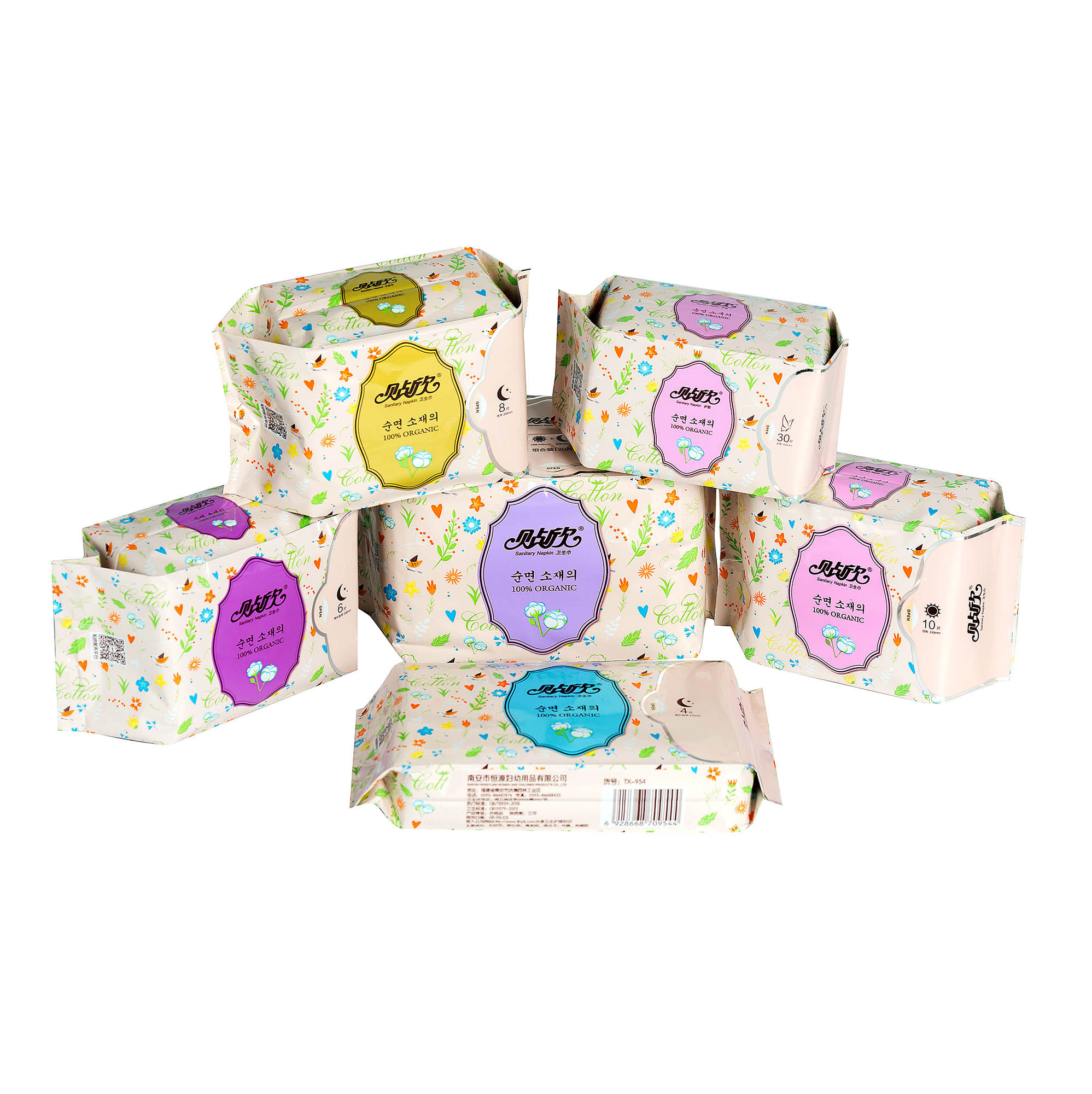
To request a sample or confirm specifications for your target market, contact Family Cares Group: Caffy, email admin@family-cares.com, or WhatsApp / Tel +86 13805968557. You can also visit www.family-cares.com for the full product overview.
Have Questions or Need More Details?
Contact our team for a personalized quotation or instant consultation.
Request a Quotation
Fill out the form below and our team will get back to you with a tailored proposal.
WhatsApp Direct Chat
Prefer to chat in real-time? Message us on WhatsApp for instant assistance & quick answers.
- Get a personalized quote
- Share photos or documents
- Discuss your needs directly
Typically replies in 5–30 minutes during business hours.