
Disposable Sanitary Napkins: How to Evaluate OEM/ODM Manufacturing Capability
Disposable Sanitary Napkins: How to Evaluate OEM/ODM Manufacturing Capability
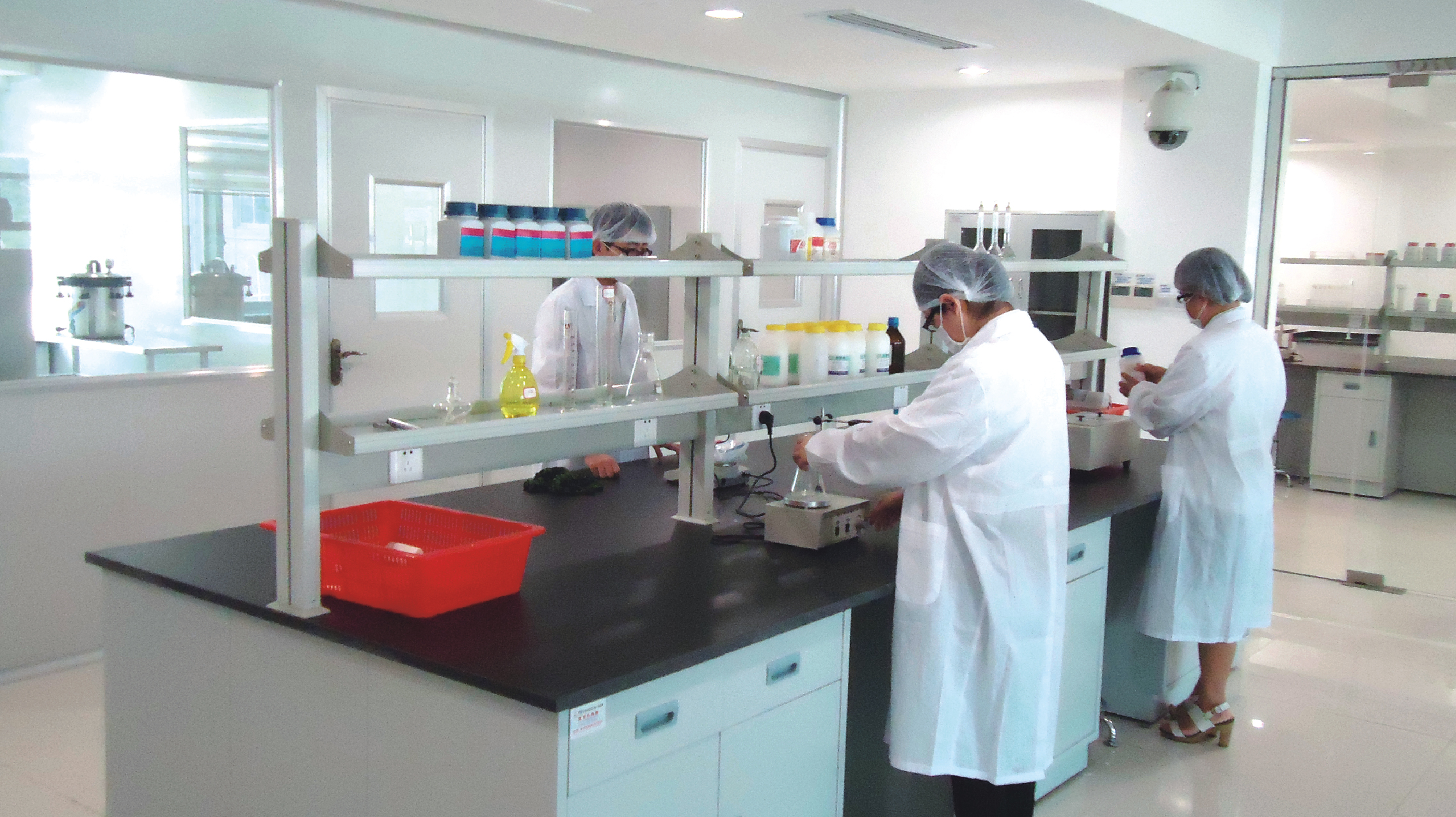
Selecting an OEM/ODM partner for disposable sanitary napkins involves more than comparing prices. Buyers need to verify that the factory can deliver consistent quality, handle customization, and meet production timelines. This guide explains the manufacturing capabilities that matter most and how to assess them, using examples from Ecolivia, a brand produced by Family Cares Group.
Problem Definition: Why Capability Assessment Gets Overlooked
Many buyers start with packaging design or per-piece cost and only later discover issues with absorbency, material stability, or delivery delays. In the feminine hygiene market, the difference between a trading company and a true manufacturer shows up in production flexibility, quality control, and material science support. Without a clear capability-based evaluation, buyers risk long lead times, inconsistent batches, and compliance problems in their target market.
Industry Background: Demand for Disposable Sanitary Napkins Is Evolving
The global sanitary pad market was valued at approximately USD 20.4–25.73 billion in 2024, with forecasts pointing to a CAGR of 4%–5.6% through 2034. China is the world's leading exporter of sanitary pads under HS code 961900, with export values reaching roughly USD 3.3–3.59 billion in 2024. At the same time, environmentally conscious products are growing faster than the overall market. The biodegradable sanitary napkin market stood at USD 2.43 billion in 2023 and is projected to reach USD 8.54 billion by 2030, a CAGR of 20.1%. Organic cotton sanitary napkins reached about USD 3.95 billion in 2025, driven by demand for hypoallergenic and chemical-free products. For buyers, this means suppliers must be able to produce not only standard napkins but also bio-based, organic, and high-absorbency variants.
Detailed Solution: What a High-Capability OEM/ODM Manufacturer Looks Like
Family Cares Group, the manufacturing group behind the Ecolivia brand, operates an integrated facility in Quanzhou, Fujian, China, with a global sales and R&D hub in Xiamen. The company spans around 35,000 square meters, employs 350–500 people, and has an annual output of over 650 million pieces. Its R&D team includes 25+ professional engineers. The group offers three closely coordinated production modes: OEM/ODM manufacturing, material R&D and supply, and supply chain logistics.
1. OEM/ODM Manufacturing
This is the core service for private label disposable sanitary napkins. Customization includes brand/logo, sizing, bio-based core structure, and packaging. Monthly production capacity exceeds 54 million pieces, with a typical lead time of 15–25 days. The standard MOQ is 1 x 20GP container, and it is negotiable for start-up brands. Quality control relies on 100% online visual inspection plus in-house lab QC. Main export markets include the USA, UK, EU, Russia, and Southeast Asia.
2. Material R&D and Supply
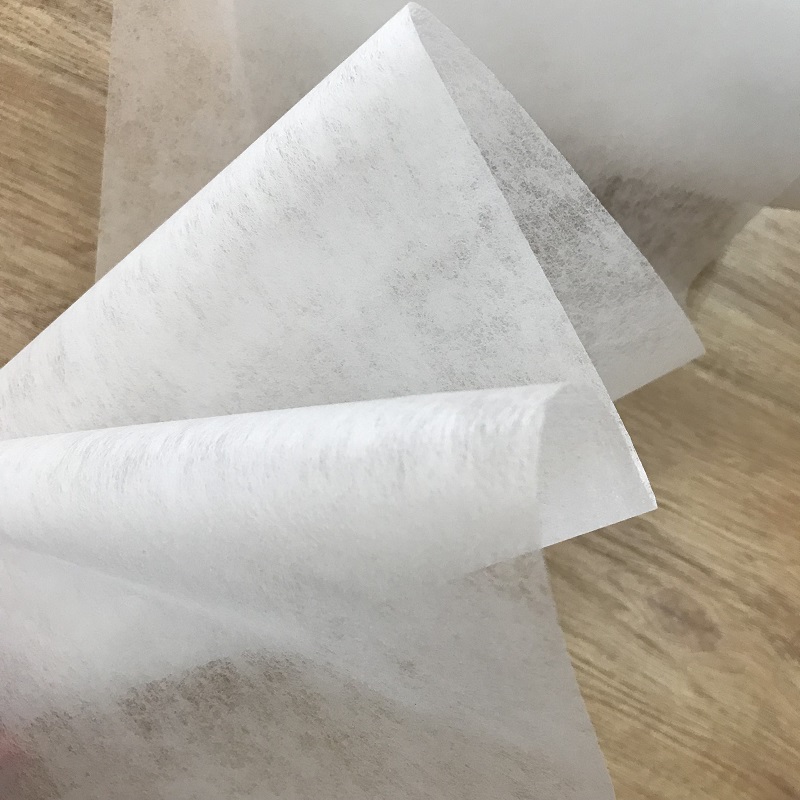
For buyers that already operate their own production lines, the company also supplies nonwoven fabrics, bio-film layers, spandex, and magic tape. Customization options include nonwoven GSM, bio-film layers, spandex, and magic tape. Monthly capacity is 1,600+ tons, with a lead time of 7–14 days. Materials are shipped with batch COA reports, and the company serves markets such as Uzbekistan, Turkey, and Vietnam.
3. Supply Chain and Logistics
The supply chain arm handles 30+ 40HQ containers per month, with a typical lead time of 3–5 days after treatment confirmation. Services include shipping mode selection, consolidation, and customs clearance support. Export terms cover FOB, CIF, and DDP. Pre-shipment loading inspection (PSI) is standard, and the team provides real-time tracking, documentation, and compliance support for buyers worldwide.
Step-by-Step Breakdown: How to Evaluate an OEM/ODM Supplier
- Define the product requirement. Decide on absorbency level, core material (SAP, bio-based core), top sheet, backsheet, size, and packaging.
- Check compliance and certifications. Ask for ISO 9001, FDA establishment registration, CE, GOTS, or any other certificates required in your target market.
- Assess R&D capability. A strong supplier should be able to modify core structure, material GSM, and bio-based composition, not just print a logo.
- Request samples and verify with laboratory tests. Confirm that the sample meets your absorbency, breathability, and safety requirements.
- Review quality control systems. Look for 100% online visual inspection, in-house lab testing, and pre-shipment inspection procedures.
- Confirm production capacity and lead time. Ensure the factory can handle your projected order volume without delaying your market launch.
- Clarify logistics and payment. Check FOB/CIF/DDP terms, MOQ, deposit/balance structure, and shipping frequency.
Use Cases: Capability in Action
One premium e-commerce and subscription brand in Germany has sourced organic cotton sanitary napkins from Family Cares Group for three years. Orders of 500,000+ units per batch are placed monthly, and the pads are delivered as tailored organic cotton pads in luxury retail gift boxes. This partnership helped the client transition to 100% plastic-free packaging.
In Malaysia, a leading regional FMCG brand has been purchasing 2–3 x 40HQ containers of high-end organic cotton sanitary napkins and menstrual pants each month for more than three years. The integration of advanced bio-based core technology to replace standard SAP contributed to the client's 25% annual sales growth in Southeast Asia.
Beyond finished products, the group supports industrial manufacturers with raw materials. A textile supplier in Uzbekistan receives 500+ tons of nonwoven material annually; the customized GSM and roll diameters were designed for high-speed Italian machinery and helped reduce production downtime by 15%. A large diaper plant in Turkey also uses the group's spandex yarn for waistbands, stabilizing supply during global material fluctuations.
Comparison Table: Three Production Modes Compared
| Capability | OEM/ODM Manufacturing | Material R&D & Supply | Supply Chain & Logistics |
|---|---|---|---|
| Customization | Brand/logo, sizing, bio-based core structure, packaging | Nonwoven GSM, bio-film layers, spandex, magic tape | Shipping mode, consolidation, customs clearance support |
| Monthly Capacity | 54 million+ pieces | 1,600+ tons | 30+ containers (40HQ) |
| Lead Time | 15–25 days | 7–14 days | 3–5 days (treatment date) |
| MOQ | 1 x 20GP (negotiable for start-ups) | 2 tons / 1x40GP (depends on material) | N/A |
| Quality Control | 100% online visual inspection + in-house lab QC | Batch COA reports | Pre-shipment loading inspection (PSI) |
| Export Markets | USA, UK, EU, Russia, SE Asia etc. | Uzbekistan, Turkey, Vietnam etc. | Worldwide (FOB, CIF, DDP) |
Frequently Asked Questions
Are disposable sanitary napkins from Family Cares Group certified for international markets?
Family Cares Group operates under ISO 9001:2015, with certification number 41624QZ644CR0, covering the design, manufacturing, and sales of hygiene and medical materials. The U.S. FDA establishment registration (number 3005078659) includes sanitary napkins, panty liners, and menstrual pads. CE and GOTS standards are followed for applicable product lines. Buyers should verify the exact certification needed for their destination market.
What OEM/ODM customization options are available for disposable sanitary napkins?
OEM/ODM production allows customization of brand/logo, sizing, bio-based core structure, and packaging. This means clients can create a private label product with a different absorbent core, cover material, or box design.
What is the minimum order quantity for private label sanitary napkins?
The standard MOQ for OEM/ODM manufacturing is 1 x 20GP container. For start-up brands, this is negotiable. For material R&D and supply, the MOQ is typically 2 tons or 1x40GP, depending on the specific material needed.
How should buyers request and approve sanitary napkin samples?
Buyers can request samples before committing to a full order. Acceptance typically includes lab report approval, followed by pre-shipment inspection for production orders. The manufacturer also offers sample testing support during material R&D projects.
What is the lead time for disposable sanitary napkin OEM orders?
OEM/ODM production typically takes 15–25 days. Material R&D and supply orders take 7–14 days. Supply chain and logistics processing takes 3–5 days after treatment confirmation. Actual lead time depends on volume, customization complexity, and packaging requirements.
To discuss a project or request samples, contact the sales team through the Family Cares Group website or by email at admin@family-cares.com.
Conclusion
Evaluating disposable sanitary napkin suppliers on capability rather than price alone reduces risk and improves the chances of a successful market launch. Look for a manufacturer with integrated production, material R&D, quality control, and logistics support. Family Cares Group, through the Ecolivia brand, demonstrates how these capabilities work together: flexible OEM/ODM production, in-house material science, and reliable export logistics. For decision-makers moving toward execution, the next step is to define product specs, request samples, and verify the supplier's factory against the checklist above.
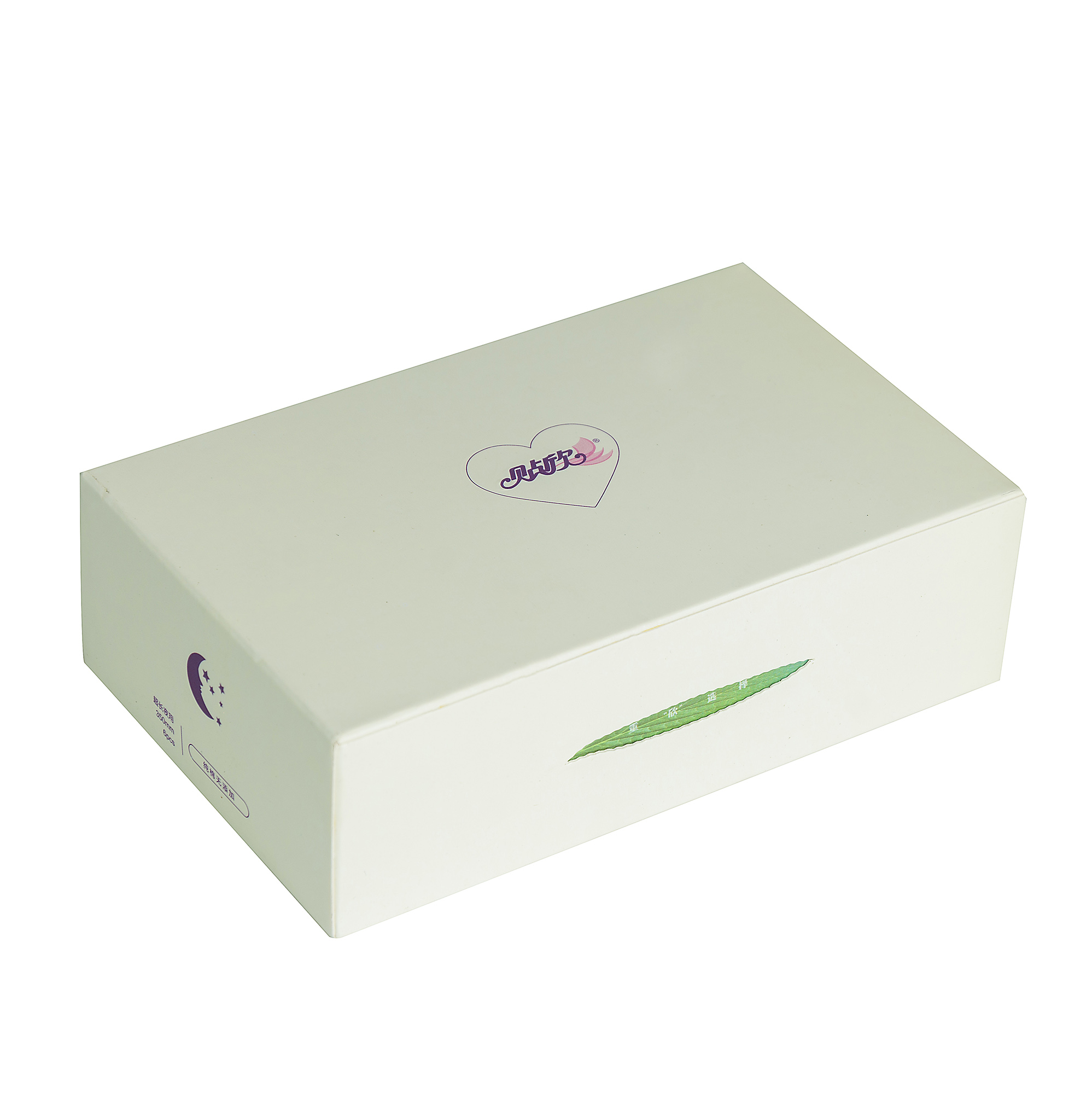
Ready to evaluate your next sanitary napkin project? Request a sample or quote from Family Cares Group by visiting www.family-cares.com.
Have Questions or Need More Details?
Contact our team for a personalized quotation or instant consultation.
Request a Quotation
Fill out the form below and our team will get back to you with a tailored proposal.
WhatsApp Direct Chat
Prefer to chat in real-time? Message us on WhatsApp for instant assistance & quick answers.
- Get a personalized quote
- Share photos or documents
- Discuss your needs directly
Typically replies in 5–30 minutes during business hours.