
From Decision to Execution: Building a Long-Term Disposable Sanitary Napkin Supply Partnership
From Decision to Execution: Building a Long-Term Disposable Sanitary Napkin Supply Partnership
Selecting a supplier is only the first step. For distributors, private label brands, and institutional buyers working with disposable sanitary napkins, the real test is whether the supplier can deliver consistent quality and reliable supply over years, not just one shipment. This guide focuses on the decision-to-execution phase of building a long-term distribution partnership, using the example of Ecolivia and its parent manufacturer, Family Cares Group.
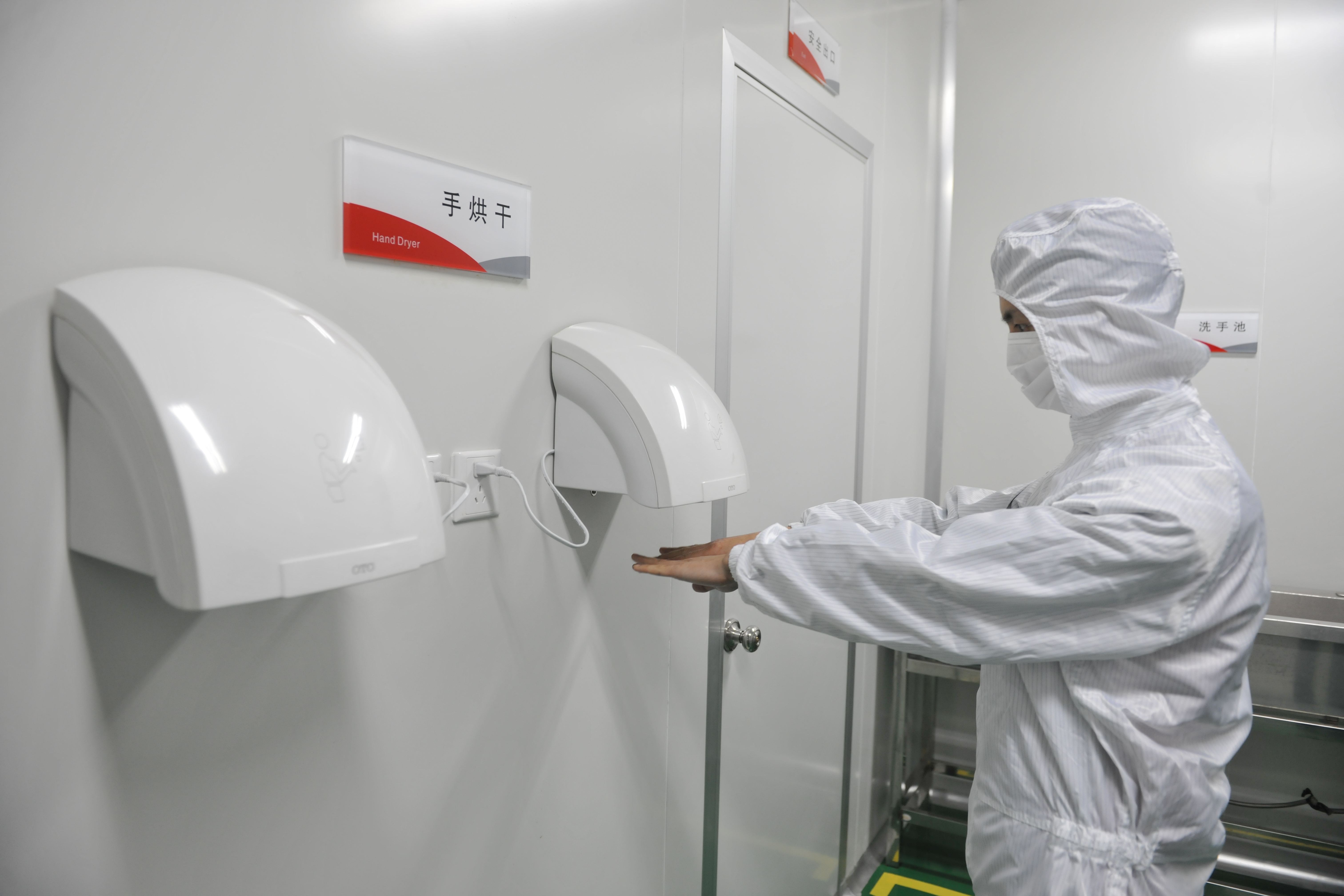
Family Cares Group production plant in Quanzhou, China
Why Execution Is Where Supply Partnerships Succeed or Fail
Mistakes at the execution stage often come from unclear expectations. Buyers may assume that once a supplier is approved, the hard work is over. In reality, without direct factory control, one bad batch can damage a brand and a market. The most common risks include quality deviation, moisture damage during transit, lead time delays, and slow responses to changing compliance requirements.
For disposable sanitary napkins, these risks are amplified by high order volumes and strict hygiene requirements. A distributor needs more than a product sample. It needs a supplier that can control raw materials, production lines, packaging, and logistics under one management system.
Market Context: The Case for Long-Term Supply Agreements
Understanding the market context helps frame why long-term supply partnerships matter. The global sanitary pads market was valued at approximately USD 20.4 billion to USD 25.73 billion in 2024, with growth projected at a CAGR of 4% to 5.6% through 2034. China alone exported about USD 3.3 billion to USD 3.59 billion of sanitary pads (HS 961900) in 2024, making it the world’s leading exporter in this category.
The biodegradable sanitary napkins segment is growing faster than the overall market. According to Mark & Spark Solutions, the biodegradable sanitary napkins market was valued at USD 2.43 billion in 2023 and is projected to reach USD 8.54 billion by 2030, a CAGR of 20.1%. For distributors, aligning with a factory that has both conventional capacity and eco-friendly product options creates a stronger foundation for sustained growth.
Building a Long-Term Supply Base: The Ecolivia / Family Cares Group Model
Ecolivia is the eco-friendly disposable sanitary napkin brand manufactured by Family Cares Group. Family Cares Group is an integrated manufacturing and supply chain group established in 2001, headquartered in Xiamen, with production bases in Quanzhou, China’s hygiene industrial cluster. The company operates wholly owned and partnered manufacturing bases, giving buyers direct access to factory pricing and end-to-end quality control. Its product portfolio includes eco-friendly sanitary napkins, adult care, and medical foam, and it exports 85% to 90% of its output to North America, Europe, Southeast Asia, the CIS region, the Middle East, and Africa.
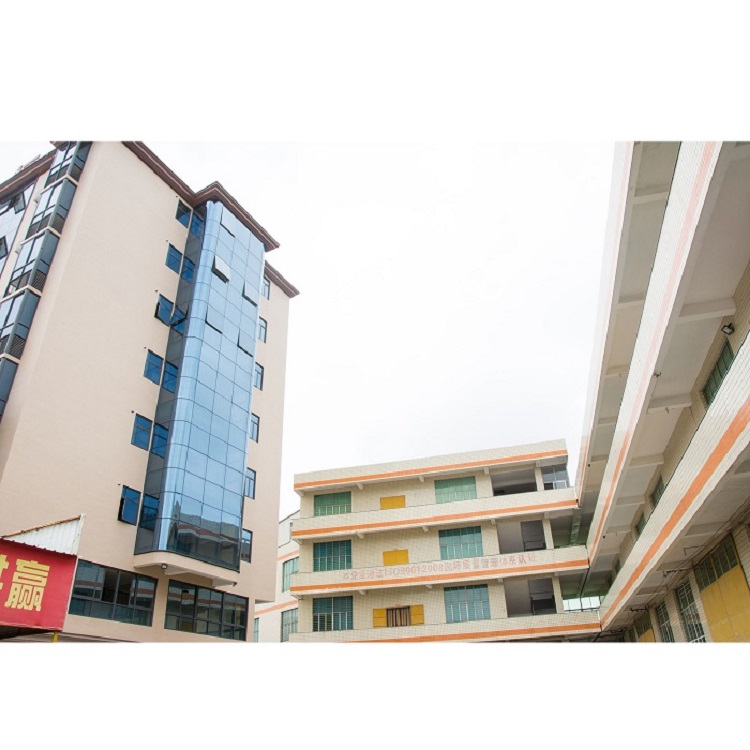
Automated production line inside Family Cares Group factory
Why Direct Factory Control Matters
Family Cares Group’s integrated model eliminates middlemen. According to internal comparison data, direct factory control can lower pricing by 15% to 20% compared with traditional trading companies. It also provides direct technical support, full supply chain transparency, and lower unit costs through high-speed automated mass production.
Capacity That Supports Growth
The group’s high-speed automated lines have a daily capacity exceeding 1.8 million pieces, and monthly production capacity reaches 54 million pieces or more. For distributors, this means the factory can absorb seasonal demand spikes and support new market entry without requalifying a supplier. Typical production lead time is 15 to 25 days, supported by multiple high-speed lines that act as backup against delays.
R&D and Customization
Family Cares Group employs more than 25 professional engineers and is involved in material science, including Eco-Core™ technology, medical-grade hydrophilic PU foam, and sustainable nonwoven fabrics. For long-term partners, this translates into faster product development. Flexible OEM customization enables approximately 50% faster prototype design compared with rigid large-scale factories, and lower MOQs for new SKU testing.
Sustainable Material Options
For eco-friendly programs, Ecolivia offers plant-based bio-film backsheet technology that can increase airflow by 40% compared with standard PE-backsheet products. The advanced bio-absorbent core provides 2x faster liquid absorption than standard SAP/pulp cores. These features are relevant for premium retail, heavy flow overnight protection, and bio-based polymer sanitary napkin lines.
Compliance and Quality Assurance
The company’s operations are ISO 9001 certified, and its products strictly adhere to FDA, CE, and GOTS standards. The factory uses 100% on-line visual inspection with real-time quality data tracking. This approach supported a US medical and adult care brand through a 10+ year strategic partnership with a 0% major quality complaint rate while scaling market share.
A Step-by-Step Breakdown for Executing a Long-Term Agreement
Step 1: Define Your Product Portfolio and Quality Requirements
Before entering a long-term supply agreement, map the product variants you need: ultra-thin high-absorbency napkins, heavy flow overnight napkins, postpartum maternity care, bio-based polymer sanitary napkins, chlorine-free organic cotton options, or hypoallergenic sensitive skin napkins. Clarifying your portfolio early helps the factory recommend the right core, backsheet, and packaging for each SKU.
Step 2: Verify Factory Ownership and Compliance
Request documentation that confirms who owns the production lines. Look for evidence of ISO 9001 certification, FDA, CE, or GOTS compliance, and test reports aligned with your target markets. For compostable claims, be aware that certified compostable sanitary napkins must adhere to European standard EN 13432 or North American ASTM D6400, requiring 90% biodegradation within six months in industrial conditions. This type of requirement should be discussed with the factory before signing.
Step 3: Align Specifications, Packaging, and Labeling
Define absorbency targets, dimensions, SAP amount, top sheet material, backsheet breathability, and packaging format. If you distribute private label sanitary napkins, confirm whether the factory can handle custom printing, medical-grade packaging, and language variations. The US case mentioned above included customized medical-grade packaging, showing that this capability is available.
Step 4: Agree on Commercial Terms
Standard commercial terms for factory-direct supply include FOB, CIF, or DDP, with payment by T/T or letter of credit. A typical order quantity for a standard private label program is one 20GP container, while trial orders can have a negotiable MOQ. Payment terms such as 30% deposit / 70% balance are common. For new partnerships, agree on an acceptance process based on lab report approval or pre-shipment inspection.
Step 5: Build a Quality Control and Acceptance Workflow
Long-term suppliers should support an inspection process that includes real-time monitoring, 100% on-line visual inspection, and pre-shipment inspection. The factory’s use of sealed high-barrier film packing helps protect products from moisture risk during sea or rail freight. Define what happens if a batch fails: corrective action, replacement, or credit.
Step 6: Plan for Risk Mitigation and Business Continuity
Ask about production buffers and backup lines. Multiple high-speed lines can reduce lead time delays, and monthly capacity of 54 million pieces or more provides room to absorb demand variability. A reliable production lead time of 15 to 25 days should be written into the supply agreement.
Use Cases: What Long-Term Partnership Looks Like
In a US case, a top-tier medical and adult care brand worked with Family Cares Group for more than 10 years. The project achieved a 0% major quality complaint rate while scaling market share. It included high-absorbency core stability above 6500 ml and customized medical-grade packaging.
In Europe, a premium e-commerce and subscription brand used the same factory platform to launch a private label disposable sanitary napkin line. The project relied on flexible MOQs and rapid prototype development to bring new SKUs to market efficiently.
Comparison: Direct Factory Partnership vs. Trading Company or Rigid Factory
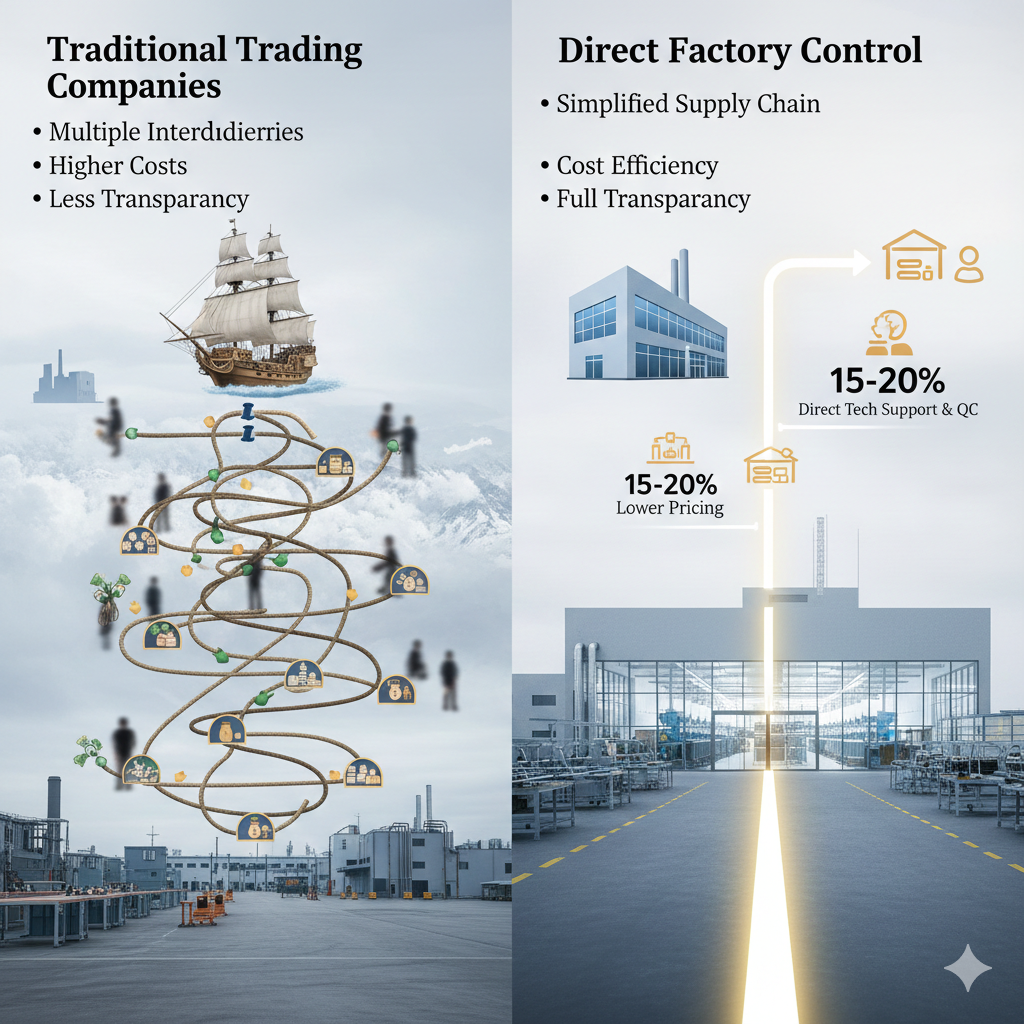
Direct factory control provides transparency and lower cost for bulk distribution
| Evaluation Dimension | Direct Factory Partnership (Ecolivia / Family Cares Group) | Traditional Trading Company / Rigid Factory |
|---|---|---|
| Pricing | 15-20% lower by eliminating middleman commission; lower unit cost through mass production | Higher due to trading markup or less efficient production |
| Quality Control | 100% on-line visual inspection with real-time data tracking | Manual or sampling-based inspection |
| R&D Speed | 50% faster prototype design; lower MOQ for new SKU testing | Slower due to rigid processes or third-party handoffs |
| Production Capacity | 1.8M pieces/day; 54M+ pieces/month | Depends on contracted external lines |
| Risk Management | Multiple high-speed lines backup; sealed high-barrier film packing | Limited control over factory scheduling or transit protection |
Frequently Asked Questions
What certifications does Family Cares Group / Ecolivia hold for disposable sanitary napkins?
Family Cares Group operates under ISO 9001 certification, and its products strictly adhere to FDA, CE, and GOTS standards. Buyers targeting compostable product claims should also confirm whether the product meets EN 13432 or ASTM D6400 requirements, since certified compostable sanitary napkins must biodegrade 90% within six months in industrial conditions.
What production capacity and OEM/ODM capabilities support long-term distribution programs?
Family Cares Group has a monthly production capacity of more than 54 million pieces and daily capacity exceeding 1.8 million pieces. Its team of more than 25 professional engineers supports OEM/ODM projects, including bio-based polymer sanitary napkins, ultra-thin high-absorbency designs, and custom packaging. Flexible OEM customization enables approximately 50% faster prototype design and lower MOQs for new SKU testing.
How does factory-direct pricing compare with working through a trading company?
By working directly with Family Cares Group, buyers avoid middleman commissions. Internal comparison data shows factory-direct pricing can be 15-20% lower than traditional trading company pricing, while maintaining direct technical support, full supply chain transparency, and lower unit cost through high-speed automated mass production.
How can a distributor request and evaluate samples before committing to a long-term contract?
Trial orders can be arranged with a negotiable MOQ for the initial sample evaluation. Buyers can review product performance through lab report approval, and standard distribution orders typically follow a one 20GP container MOQ with payment terms of 30% deposit / 70% balance. Pre-shipment inspection is available to verify batch quality before shipment.
What lead times and delivery terms should a long-term partner expect?
Typical production lead time is 15 to 25 days. Multi-line backup and high-speed automated production help protect against delays, and the factory can arrange sea or rail freight, with delivery terms including FOB, CIF, or DDP. For a more concrete timeline and container plan, contact the Family Cares Group team to request samples, a quote, or a detailed supply plan.
Long-term partnerships are built on production stability, transparent communication, and the ability to adapt to new product requirements. For buyers of disposable sanitary napkins, especially those looking for eco-friendly and private label options, a supplier with direct factory control, high capacity, verified compliance, and a documented track record can support consistent supply. Contact Family Cares Group to discuss your distribution plan or request a sample.
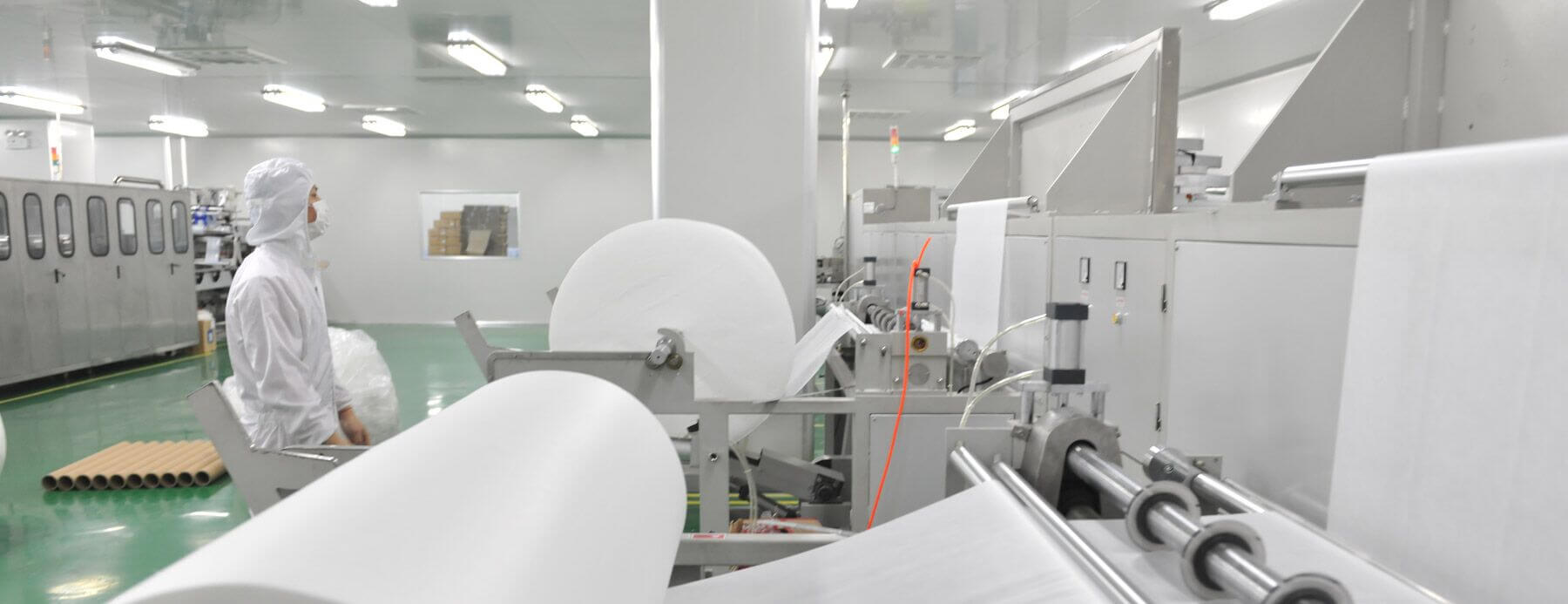
Ecolivia sanitary napkin workshop
Have Questions or Need More Details?
Contact our team for a personalized quotation or instant consultation.
Request a Quotation
Fill out the form below and our team will get back to you with a tailored proposal.
WhatsApp Direct Chat
Prefer to chat in real-time? Message us on WhatsApp for instant assistance & quick answers.
- Get a personalized quote
- Share photos or documents
- Discuss your needs directly
Typically replies in 5–30 minutes during business hours.