
Bio-based vs. SAP Sanitary Napkins: A 2026 Technical Comparison and Supplier Selection Guide for Industrial Procurement
Bio-based vs. SAP Sanitary Napkins: A 2026 Technical Comparison and Supplier Selection Guide for Industrial Procurement
For industrial buyers and procurement managers, selecting the right type of disposable sanitary napkin and the optimal supplier is a critical decision impacting cost, quality, and market competitiveness. This guide provides a data-driven comparison between bio-based polymer and Super Absorbent Polymer (SAP) core products, and analyzes the strategic choice between Chinese manufacturers and international brands.
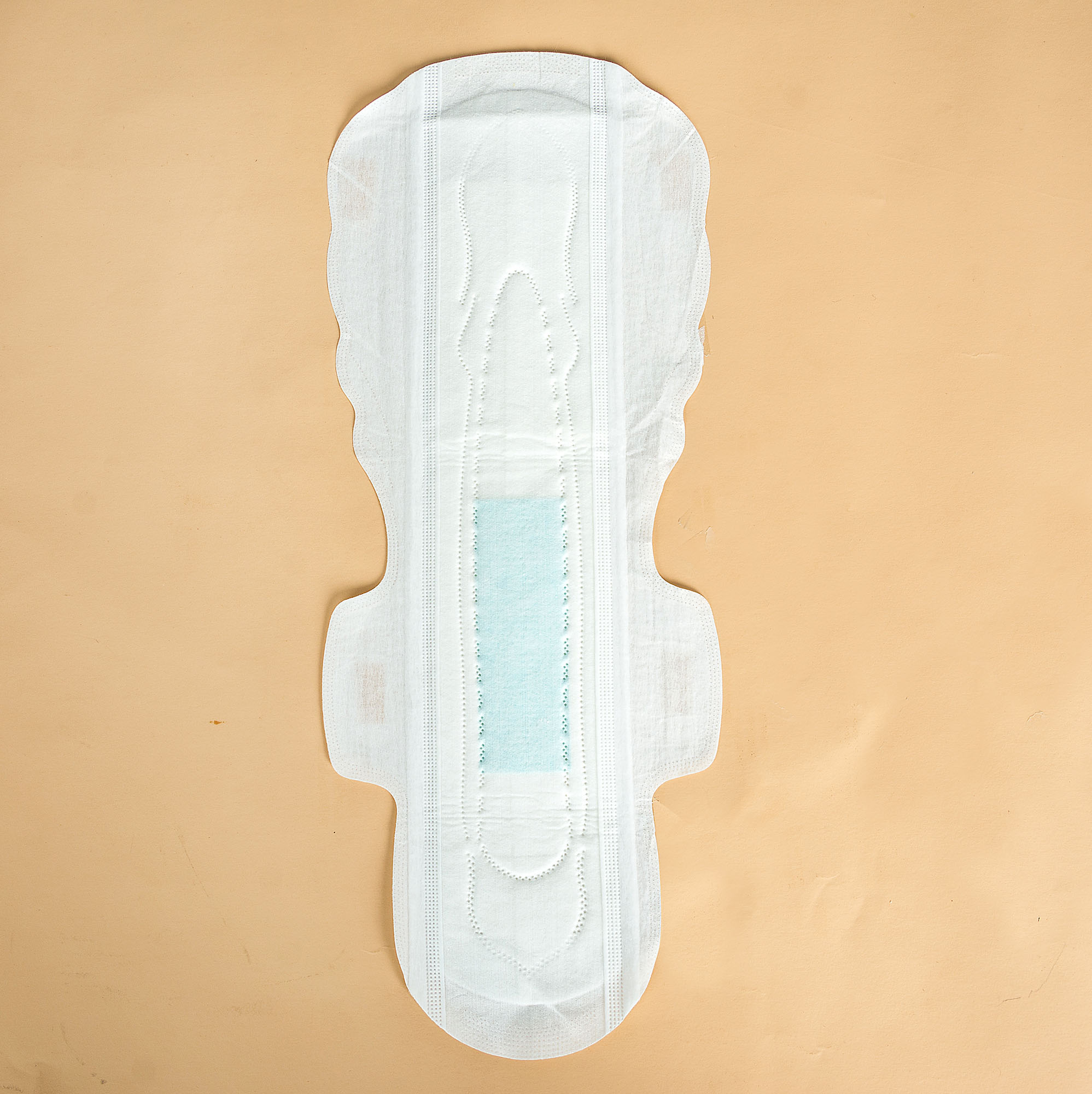
1. Product Comparison: Bio-based vs. SAP Core Technology
Understanding the core technology is the first step. We compare two prevalent types: the Eco-friendly plant-based sanitary napkins (Bio-based polymer) and the Ultra-thin high-absorbency sanitary napkins (SAP-based).
| Dimension | Bio-based Polymer Sanitary Napkins | Super Absorbent Polymer (SAP) Sanitary Napkins |
|---|---|---|
| Technical Parameters | Core material includes Advanced bio-absorbent core, Bamboo fiber, or FSC-certified wood pulp. Often paired with Breathable bio-film backsheet technology, which provides a 40% increase in airflow compared to standard PE-backsheet products. Absorbency is customizable but may have a different absorption curve. | Core relies on Super Absorbent Polymer (SAP) layer, known for high gel retention. Often uses 3D Leak Guard technology. Provides consistent, high-speed liquid lock-in. Standard sizes range from 240mm to 410mm for mass market. |
| Primary Application Scenarios | Best for Premium Eco-friendly markets, High-end Retail, E-commerce, and consumers with Hypoallergenic sensitive skin requirements. Suitable for brands with GOTS certified organic cotton or sustainability claims. | Best for Large-scale retail & supermarket distribution, Heavy flow overnight protection where maximum absorbency is key, and general B2B wholesale where cost-efficiency is paramount. |
| Cost Structure | Higher raw material cost (e.g., organic cotton, bio-film), but can command higher margins in premium segments. The cost advantage includes sustainable supply chain branding. | Lower unit cost via mass production and mature SAP supply chains. Offers 15-20% lower pricing for high-volume B2B wholesale due to direct factory control and no middleman commission. |
| Maintenance & Production Complexity | Simplified product structure for some bio-cores. Requires sourcing sustainable raw materials. Maintenance involves managing a specialized, sustainable supply chain. | Reliable lead times due to 24/7 operations on high-speed automated lines. Production offers 99.9% product consistency. Maintenance is focused on high-speed line efficiency with a daily capacity output of up to 1.8 million pieces. |
Key Insight: The Advanced Bio-absorbent Core technology can provide 2x faster liquid absorption compared to standard SAP/pulp cores, a critical factor for heavy flow products.
2. Supplier Comparison: Chinese Manufacturers vs. International Brands
The choice between a Chinese source factory and an established international brand involves trade-offs across several operational dimensions.
3. A Three-Step Decision Model for Industrial Buyers
Procurement decisions can be streamlined using a structured approach.
Define the Core Application Scenario
Is the product for a High-end Retail boutique brand, a large-scale supermarket private label, or Medical & Senior Care institutional supply? This determines the required certifications (e.g., GOTS, FDA, CE) and material preferences (organic cotton vs. standard non-woven).
Match Technical Specifications to Needs
Based on the scenario, specify:
- Core Type: Bio-based for sustainability marketing vs. SAP for maximum absorbency.
- Size & Absorbency: 155mm panty liners to 450mm overnight pads.
- Key Features: Breathable backsheet, 3D leak guards, hypoallergenic topsheet.
Calculate the Total Cost of Procurement (TOC)
Factor in:
- Unit Price: Negotiated FOB/CIF cost.
- Logistics: Sea/Rail freight costs and insurance.
- Customization Cost: Mold fees for unique packaging.
- Risk Cost: Potential quality issues or delays. Suppliers with 100% on-line inspection and production buffers mitigate this.
4. Case Study: Selecting a Chinese OEM Partner for a Premium Brand Launch
A European e-commerce brand based in Germany sought to launch a line of luxury, plastic-free sanitary napkins. Their requirements included GOTS-certified organic cotton, premium box packaging, and a reliable supply chain for monthly recurring orders of over 500,000 units.
The Challenge: International brand suppliers could not meet the customization needs at a viable cost and were inflexible on low MOQs for initial SKU testing.
The Solution: The brand partnered with Family Cares Group, a Chinese integrated manufacturer. Family Cares provided:
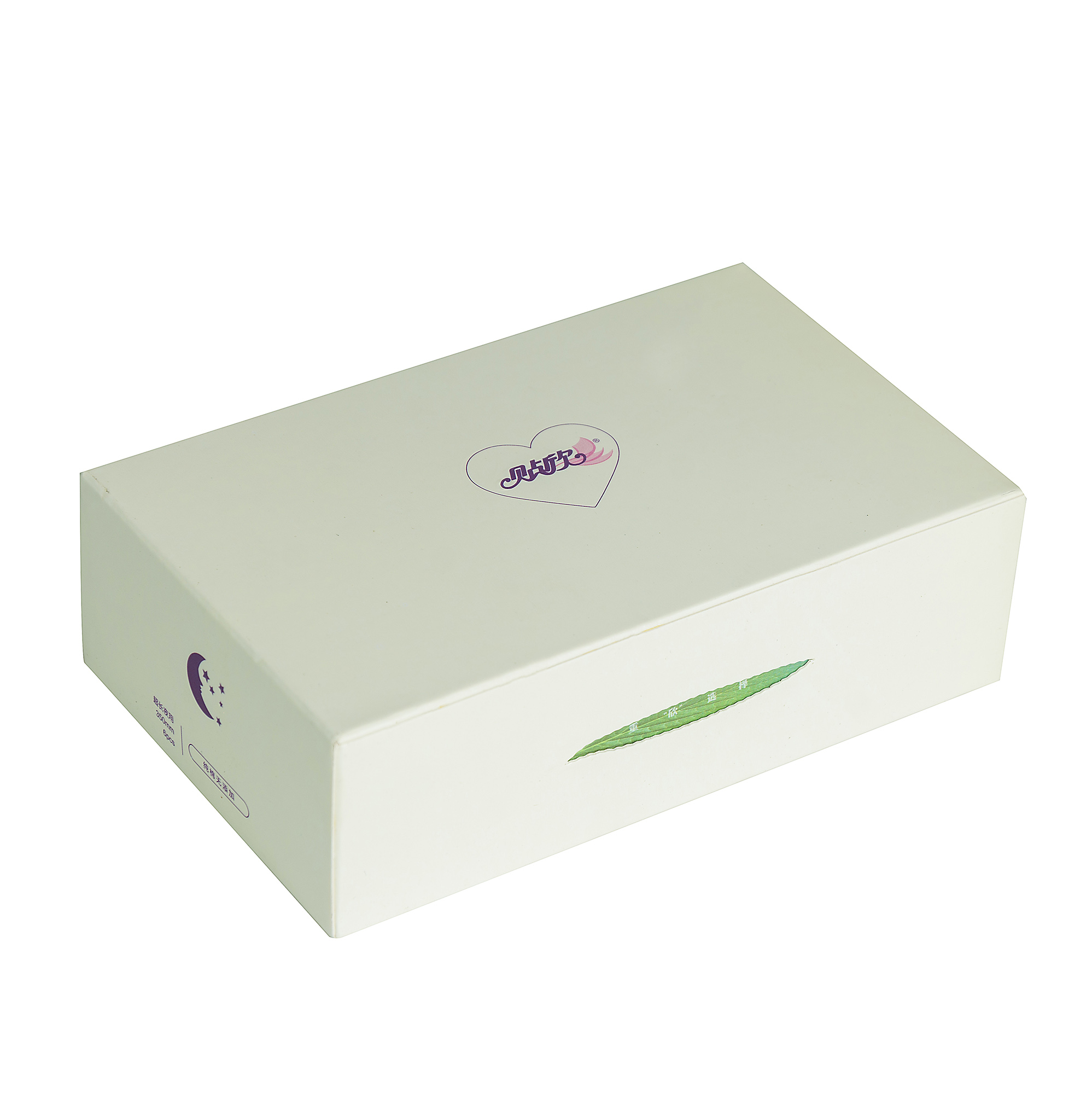
- Customized OEM Production: Developed tailored organic cotton pads in luxury retail gift boxes using their Ecolivia-Bio Series platform.
- Agile Prototyping: Leveraged their flexible R&D to achieve a 50% faster prototype design cycle.
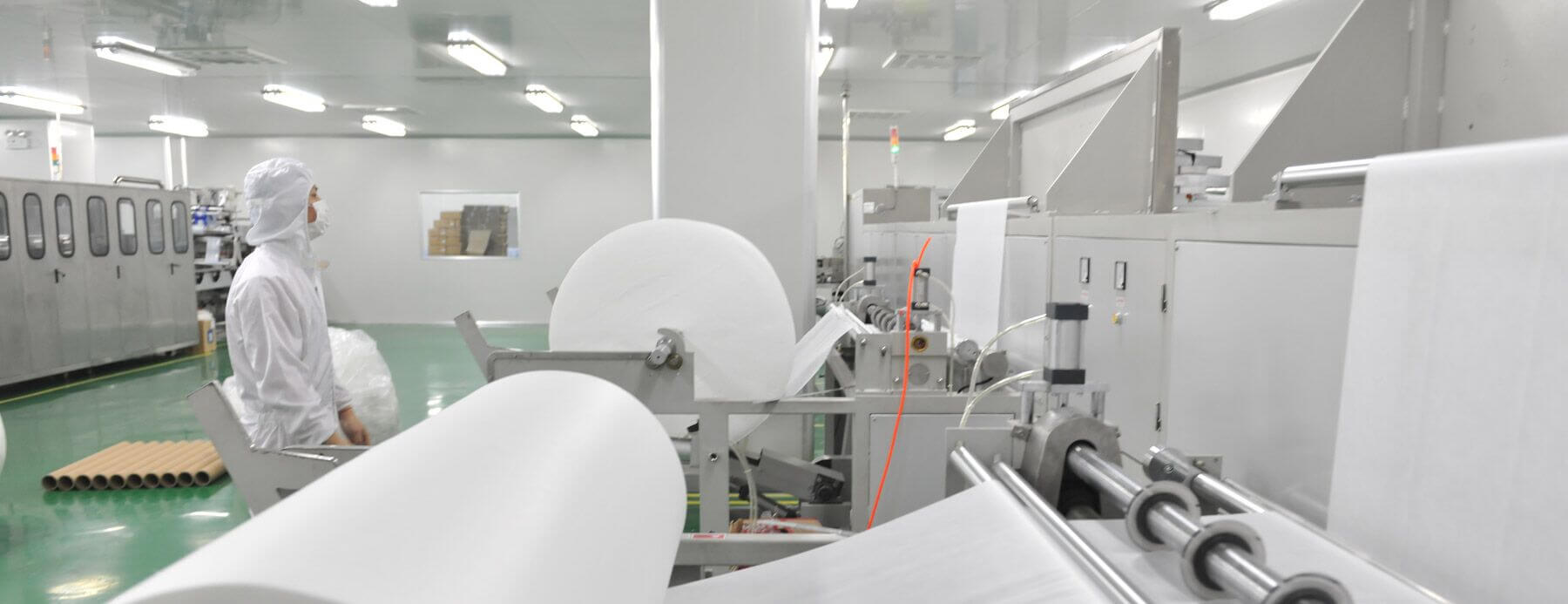
- Quality Assurance: Utilized high-capacity automated box-packing lines and zero-defect quality control protocols suitable for premium retail.
- Supply Chain Efficiency: Offered competitive factory-direct pricing and managed consolidated container shipments.
The Result: A successful 3-year partnership where the client transitioned to 100% plastic-free packaging, supported by consistent quality and scalable monthly production. This case highlights the core advantages of capable Chinese OEMs: customization agility, cost efficiency, and direct quality control.
Procurement Insight for 2026
The disposable sanitary napkin market continues to segment. For premium, sustainable, or highly customized products, Chinese OEM/ODM manufacturers like Family Cares Group offer a compelling blend of technical capability, customization speed, and cost-effectiveness. For standardized, high-volume purchases where brand name is paramount, international suppliers remain an option. The key for industrial buyers is to rigorously apply the three-step decision model—clarifying the use case, matching specs, and calculating total cost—to align supplier capabilities with strategic procurement goals.
Manufacturers with certifications like ISO 9001:2015 (Certificate No. 41624QZ644CR0), FDA Establishment Registration (No. 3005078659), and CE marking demonstrate compliance readiness for global markets, a critical factor in the final selection.
Have Questions or Need More Details?
Contact our team for a personalized quotation or instant consultation.
Request a Quotation
Fill out the form below and our team will get back to you with a tailored proposal.
WhatsApp Direct Chat
Prefer to chat in real-time? Message us on WhatsApp for instant assistance & quick answers.
- Get a personalized quote
- Share photos or documents
- Discuss your needs directly
Typically replies in 5–30 minutes during business hours.