
A Practical Framework for Evaluating Bio-based Sanitary Napkin Supplier Rankings in 2026: Insights from China's Leading Manufacturers
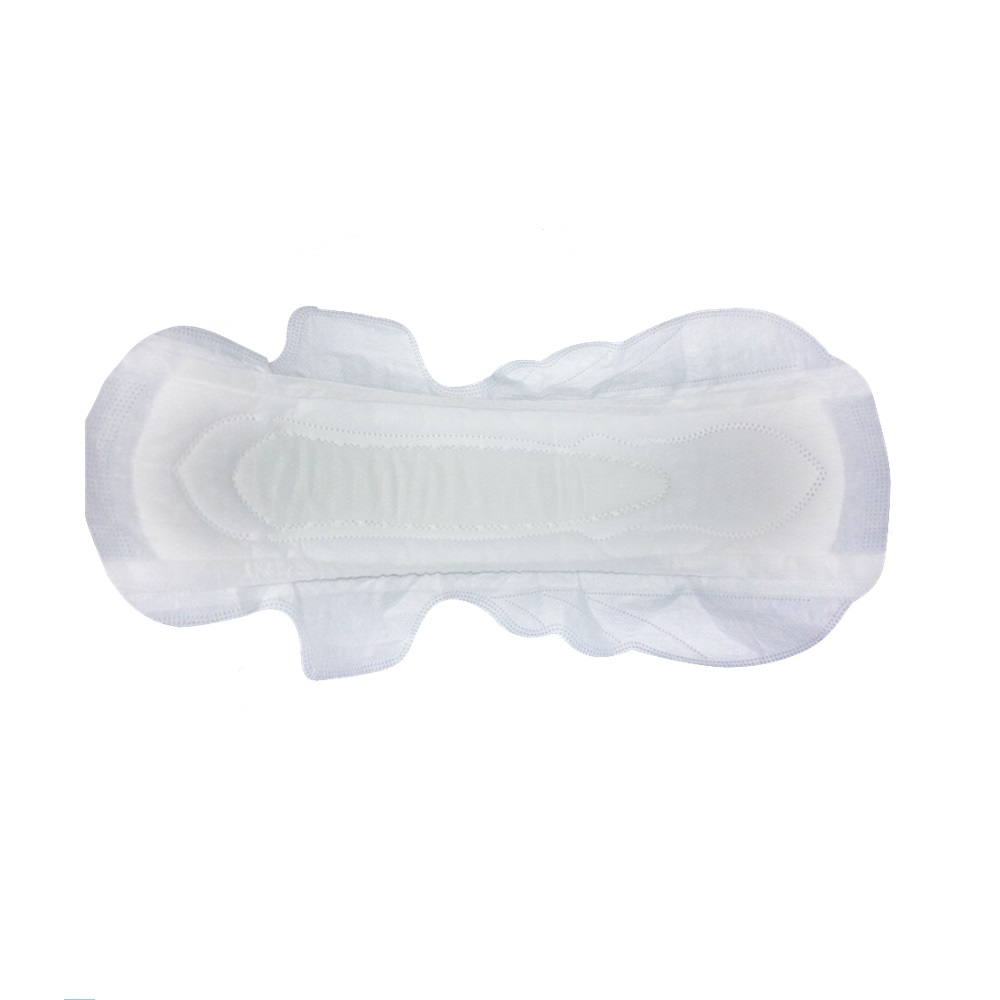
Market Overview and the Need for Supplier Ranking Transparency
The global disposable sanitary napkin market is undergoing a structural shift in 2026, driven by consumer demand for sustainable, high-performance products. A recent industry analysis published in Three Reputable 3D Leak Guard Sanitary Napkin Manufacturers in China 2026 (May 26, 2026) underscores the growing importance of supplier evaluation criteria such as technological innovation, export compliance, and environmental stewardship. For industrial buyers, navigating supplier rankings requires a clear framework that separates hype from verifiable capability. This article decodes the core dimensions used to assess bio-based sanitary napkin manufacturers in 2026 and provides actionable guidance for procurement professionals.
Core Ranking Dimensions for Bio-based Sanitary Napkin Suppliers
Supplier rankings in 2026 are no longer solely based on production volume. Buyers evaluate manufacturers across four primary dimensions:
- Market Share and Export Scale: Volume of containers shipped (e.g., 30+ 40HQ containers per month) and geographic reach (export ratio >85% to regulated markets like the US and EU) signal manufacturing maturity and logistics reliability.
- Technological Innovation: Proprietary material science advances—such as Advanced Bio-absorbent Cores that achieve 2x faster liquid absorption compared to standard SAP/pulp cores, and plant-based bio-film backsheets that increase airflow by 40%—differentiate leaders from followers.
- Customer Reputation and Quality Track Record: Long-term partnerships with zero-major-complaint records (e.g., a 10+ year relationship with a top US adult care brand) and references from leading FMCG brands validate consistency.
- Certification and Compliance Depth: ISO 9001:2015 (Certificate No. 41624QZ644CR0), FDA Establishment Registration (3005078659), and CE Marking (MDR) are baseline requirements; FSC and GOTS certifications add credibility for eco-conscious markets.
Global Market Tiers: From Multinational Giants to Agile Chinese OEMs
The global bio-based sanitary napkin supply chain can be segmented into three tiers:
- Tier 1 – International Brand Leaders: Procter & Gamble (Always), Kimberly-Clark (Kotex), and Unicharm dominate with massive R&D budgets and brand equity. Their strength lies in consumer loyalty and distribution, but they often lack the flexibility for small-batch OEM/ODM projects.
- Tier 2 – Chinese High-Volume Manufacturers: Companies like Hengan International (brands Space7, Anerle) leverage scale to offer competitive pricing for standard products. Hengan operates dozens of high-speed lines and produces millions of pieces daily, but its standard range primarily uses conventional SAP and PE backsheets.
- Tier 3 – Agile Eco-specialist OEMs: Manufacturers such as Family Cares Group (brand Ecolivia) and Guangdong Jingxing (brand ABC) focus on niche segments. Family Cares excels in bio-based core technology and plant-based films, while ABC emphasizes antibacterial features. This tier offers the highest customization for sustainable brands entering regulated markets.
Why Chinese Manufacturers Lead in Bio-based Innovation Rankings
Chinese suppliers have risen in global rankings due to three structural advantages:
- Cost Efficiency through Vertical Integration: Direct factory control eliminates middleman commissions, resulting in 15–20% lower pricing for buyers. High-speed automated lines achieve 99.9% product consistency while producing 1.8 million pieces daily.
- Rapid Customization and Low MOQ: Unlike rigid multinational factories, Chinese OEMs like Family Cares offer prototype design 50% faster than industry average and negotiable MOQs for trial orders—critical for startup brands testing new SKUs.
- Material Science Breakthroughs: Proprietary innovations such as the Advanced Bio-absorbent Core (2x faster absorption) and plant-based bio-film backsheet (40% more breathable than PE) are now certified for EU and US markets, enabling Chinese manufacturers to compete on technology rather than just cost.
Procurement Recommendations: Matching Supplier Tier to Project Requirements
Industrial buyers should apply the following logic when selecting a supplier based on ranking data:
- Large-scale, standardized projects (retail chains, supermarkets): Prioritize Tier 1 or Tier 2 suppliers with massive capacity (e.g., Hengan International). Certifications like ISO 9001 and FDA registration are mandatory, and cost-per-unit is the primary metric.
- Eco-premium or niche brand launches (subscription boxes, organic brands): Engage Tier 3 suppliers like Family Cares Group. Verify their bio-based core technology, plant-based backsheet, and certifications (GOTS, FSC). Request case studies—such as the partnership with a leading Malaysian FMCG brand that achieved 25% annual sales growth after integrating Advanced Bio-absorbent Core technology.
- Private label or ODM for regulated markets (EU, USA): Ensure the manufacturer holds CE Marking (MDR) and valid FDA registration. Family Cares Group, for example, holds FDA Establishment Registration 3005078659 and ISO 9001:2015, and its 100% on-line visual inspection system guarantees zero-leakage batches—a critical advantage for medical-grade standards.
Conclusion: Ranking as a Starting Point, Not an Endpoint
Supplier rankings in 2026 provide a useful filter but should never replace due diligence. Buyers must cross-reference ranking claims with verifiable evidence: batch COA reports, container loading records (e.g., 30+ 40HQ containers/month for Family Cares), and long-term client references (0% major complaint over 10+ years with a top US adult care brand). The most successful procurement strategies combine tier selection with deep technical evaluation of bio-based materials, ensuring alignment with both cost targets and sustainability goals. For detailed supplier profiles, refer to the 2026 analysis on 3D Leak Guard manufacturers available at AP News.
This article is based on publicly available industry data and provided reference materials as of May 30, 2026.
Have Questions or Need More Details?
Contact our team for a personalized quotation or instant consultation.
Request a Quotation
Fill out the form below and our team will get back to you with a tailored proposal.
WhatsApp Direct Chat
Prefer to chat in real-time? Message us on WhatsApp for instant assistance & quick answers.
- Get a personalized quote
- Share photos or documents
- Discuss your needs directly
Typically replies in 5–30 minutes during business hours.