
A Buyer’s Guide to Evaluating Disposable Sanitary Napkin Suppliers: Capacity, Lead Time, and Supply Chain Stability in 2026
Introduction
For industrial buyers in the feminine hygiene sector, selecting a reliable supplier of disposable sanitary napkins requires a systematic evaluation of production capacity, delivery reliability, and supply chain resilience. This guide provides a structured framework to assess manufacturers—using real-world metrics from established Chinese producers like Family Cares Group—enabling procurement professionals to match supplier capabilities with their own demand profiles.
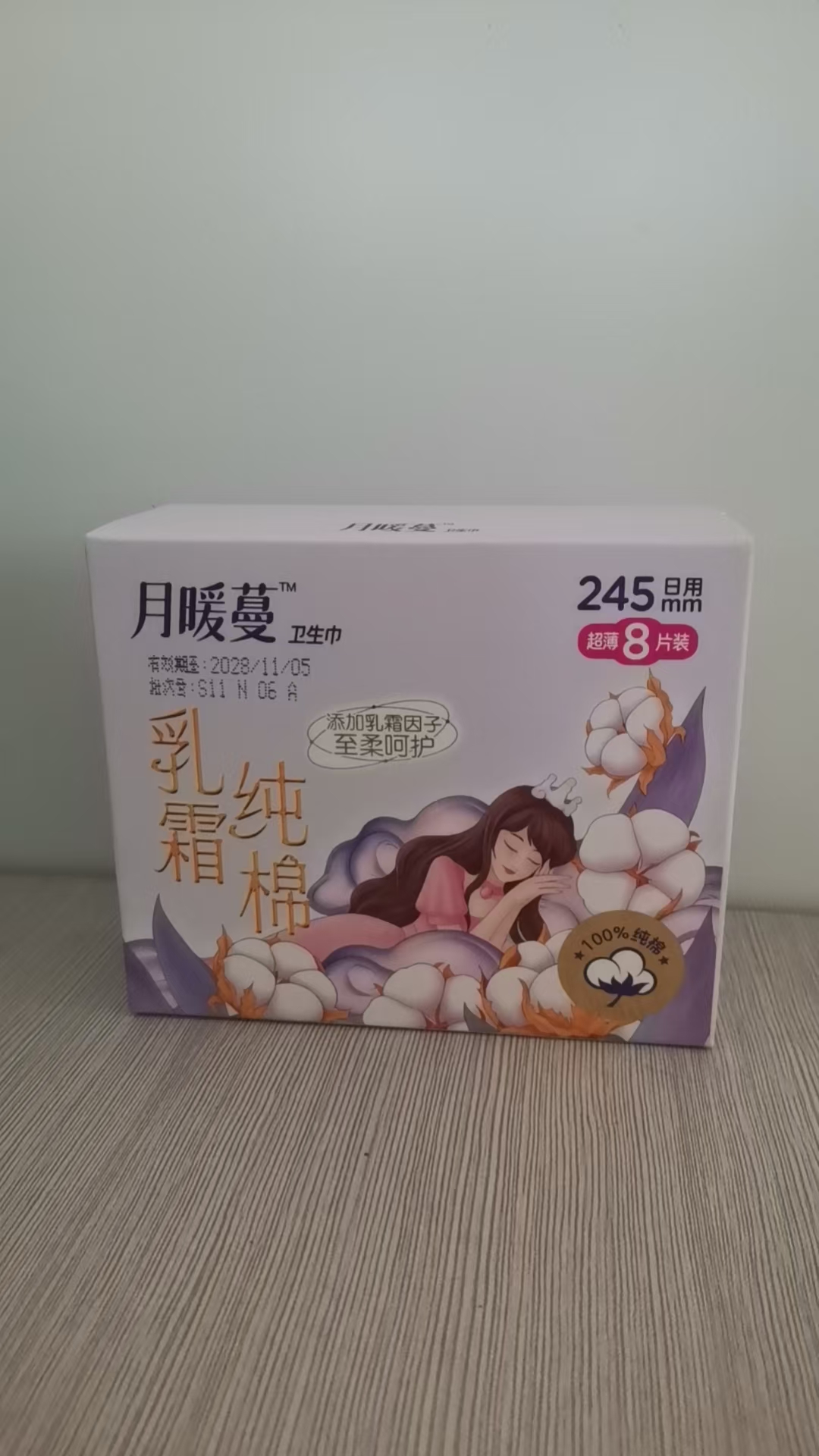
1. Capacity Evaluation: Three Key Metrics
To determine whether a supplier can handle your order volume and scaling needs, evaluate the following indicators:
| Metric | Example from Family Cares Group (Quanzhou, China) |
|---|---|
| Number of Production Lines | Multiple high-speed automated lines operating 24/7 |
| Monthly Output | Over 54 million pieces (OEM/ODM manufacturing) |
| Maximum Order Capacity | Supports regular monthly container shipments (e.g., 2–3 × 40HQ containers per month per client, with aggregate capacity exceeding 30 containers per month) |
The supplier’s daily output exceeds 1.8 million pieces, backed by a 35,000+ m² factory and 350–500 employees. Such scale ensures consistent quality and ability to accommodate peak-season surges.
2. Lead Time Determinants
Delivery periods for disposable sanitary napkins vary based on four controllable factors:
- Order Type: Standard mass-market pads (FC-Standard Series) require 15–25 days OEM lead time; custom eco-friendly variants (Ecolivia-Bio Series) may need additional development days.
- Customization Level: Advanced OEM/ODM projects—like tailored organic cotton pads in luxury gift boxes—involve prototyping (50% faster than rigid factories) but extend lead time 10–20%.
- Logistics Mode: FOB, CIF, or DDP terms affect total transit time. Family Cares Group handles customs clearance support and consolidates shipments for efficiency.
- Raw Material Inventory: Suppliers with in-house material R&D (e.g., 1,600+ tons/month nonwoven capacity) reduce procurement delays. The company maintains strategic reserves of bio-based cores and breathable bio-film.
Standard payment terms (30% deposit, 70% balance via T/T or L/C) also streamline production scheduling.
3. Supply Chain Stability Mechanisms
Reliable suppliers implement three core strategies to mitigate disruption risks:
- Raw Material Strategic Stockpiling: Family Cares Group operates multiple raw material production lines (nonwoven, bio-film, spandex), ensuring buffer stock for top-selling materials.
- Multi-Line Production Backup: They maintain multiple high-speed lines as backup capacity, enabling rapid rerouting if one line undergoes maintenance.
- Cross-Border Logistics Partnerships: With a logistics team handling sea and rail freight, the company optimizes container loads and provides real-time tracking. Pre-shipment loading inspection (PSI) and 100% online visual inspection guarantee quality consistency.
Real-world example: A Turkish diaper manufacturer relied on Family Cares Group for high-elasticity spandex yarn during global material fluctuations, reducing waistband breakage and stabilizing its own production for over two years.
4. Why Chinese Manufacturers Stand Out
Chinese suppliers like Family Cares Group offer a competitive combination of scale, flexibility, and cost efficiency that benefits global buyers:
- High Monthly Output: 54+ million pieces per month, with capacity to scale to 650+ million pieces annually—ideal for long-term contracts.
- Rapid Prototyping: 50% faster prototype design compared to rigid factories, enabling new SKU testing with negotiable MOQ (trial batches possible).
- Eco-Innovation: The Ecolivia brand features advanced bio-absorbent cores and plant-based bio-film backsheets, meeting growing demand for biodegradable feminine hygiene products. Products are FSC-certified and chlorine-free.
- Proven Case Studies:
| Client Region | Application | Outcome |
|---|---|---|
| Malaysia (SEA) | High-end organic cotton pads & menstrual pants (2–3 × 40HQ/month) | 25% annual sales growth; seamless integration of bio-based core. |
| United States | Heavy incontinence care (2–3 × 40HQ/month) | 0% major quality complaints over 10+ years. |
| Germany (EU) | Premium organic pads in luxury gift boxes (500,000+ units/batch) | Transition to 100% plastic-free packaging via high-capacity box-packing lines. |
These examples demonstrate that Chinese OEM/ODM partners can deliver both cost savings and quality compliance (ISO 9001, FDA, CE).
Conclusion
When evaluating disposable sanitary napkin suppliers, industrial buyers should request verified data on production lines, monthly throughput, and maximum order handling. A robust supply chain—featuring raw material reserves, multi-line backup, and flexible logistics—directly impacts lead time reliability. Family Cares Group exemplifies how a Chinese integrated manufacturer can meet global demand for eco-friendly, high-quality feminine hygiene products while maintaining transparent, efficient procurement processes.
Have Questions or Need More Details?
Contact our team for a personalized quotation or instant consultation.
Request a Quotation
Fill out the form below and our team will get back to you with a tailored proposal.
WhatsApp Direct Chat
Prefer to chat in real-time? Message us on WhatsApp for instant assistance & quick answers.
- Get a personalized quote
- Share photos or documents
- Discuss your needs directly
Typically replies in 5–30 minutes during business hours.