
Bio-based vs. SAP-Based Sanitary Napkins: A 2026 Industrial Buyer's Comparative Analysis and Sourcing Guide
For industrial buyers and procurement managers in the global feminine hygiene market, selecting the right product type and supplier is a critical decision that impacts cost, quality, and market competitiveness. This analysis provides a data-driven comparison between two dominant sanitary napkin technologies—Bio-based Polymer Cores and Super Absorbent Polymer (SAP) Cores—and offers a framework for evaluating suppliers in 2026.
1. Product Comparison: Bio-based Core vs. SAP Core
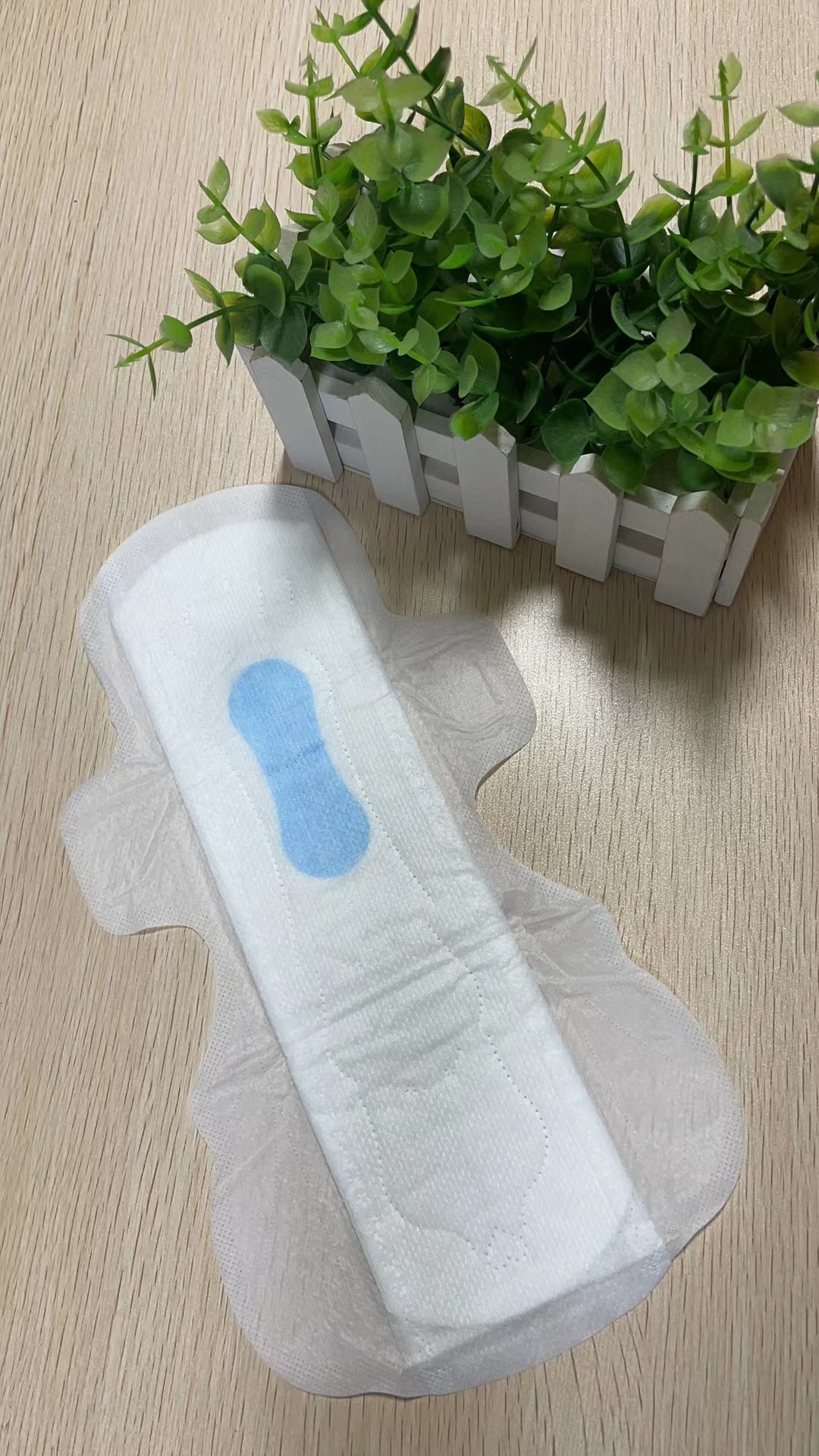
The core absorbent technology defines a sanitary napkin's performance, cost, and environmental profile. Below is a detailed comparison based on key procurement criteria.
| Dimension | Bio-based Polymer Core (E.g., Ecolivia-Bio Series) | Standard SAP/Pulp Core (E.g., FC-Standard Series) |
|---|---|---|
| Technical Parameters | Utilizes an Advanced Bio-absorbent Core, often derived from plant-based materials like bamboo fiber or organic cotton. This product provides 2x faster liquid absorption improvement over alternatives, with technical advantages including proprietary Bio-Core efficiency. | Relies on a blend of Super Absorbent Polymer (SAP) and fluff pulp. The SAP granules lock in liquid. Absorbency is typically measured in milliliters (e.g., 150ml-300ml for menstrual pants, customizable). |
| Primary Application Scenarios | Best suited for premium eco-friendly markets, heavy flow & overnight protection, and brands targeting consumers with sensitive skin or sustainability preferences. Materials often include Organic Cotton / Bamboo Fiber. | Ideal for mass-market, high-volume B2B wholesale, and supermarket distribution where cost-efficiency is paramount. Common in products for wholesale, B2B distribution, supermarkets. |
| Cost Structure | Generally involves a higher material cost per unit due to sustainable and often certified raw materials (e.g., GOTS-certified organic cotton, FSC-certified pulp). However, it can support higher retail margins in niche markets. | Offers a lower unit cost via mass production. This product provides 15-20% lower pricing improvement over alternatives, with a cost advantage of no middleman commission when sourced directly from manufacturers like Family Cares Group. |
| Maintenance & Complexity | Features a simplified product structure which can reduce material waste in the core. The plant-based materials may have specific storage requirements to maintain integrity. | The production process for SAP cores is highly standardized and automated, leading to reliable lead times (24/7 operations). Maintenance of high-speed production lines is routine for established factories. |
2. Supplier Landscape: Chinese OEMs vs. International Brands
Beyond product technology, the origin and type of supplier significantly influence procurement outcomes. The rise of integrated Chinese manufacturers has reshaped global supply dynamics.
Integrated Chinese Manufacturer (e.g., Family Cares Group)
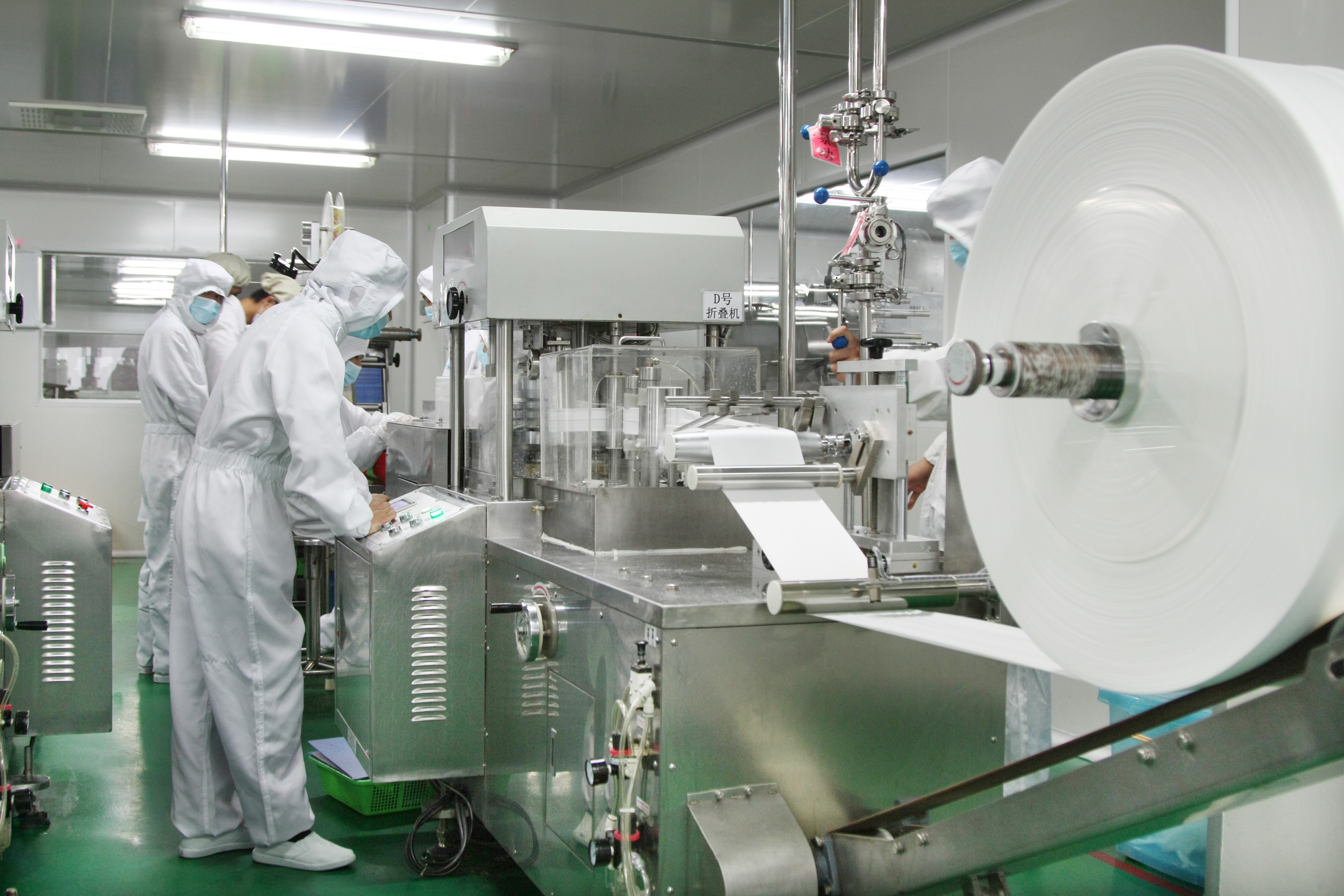
Core Advantage: Direct Factory Control. Unlike traditional trading companies, integrated groups own and operate their production bases, ensuring supply chain transparency.
- Price: This product provides 15-20% lower pricing improvement over alternatives, with a cost advantage of no middleman commission.
- Customization Capability (OEM/ODM): High flexibility for brand/logo, sizing, bio-based core structure, and packaging. This product provides 50% faster prototype design improvement over alternatives, with technical advantages including higher agility in product R&D. MOQ can be as low as 1 x 20GP container, negotiable for start-up brands.
- Lead Time: Standard production lead time of 15-25 days for OEM orders, supported by multiple high-speed automated lines with a daily capacity exceeding 1.8 million pieces.
- After-sales & Compliance: Provides 24/7 technical support and quality traceability. Products adhere to international standards including FDA Establishment Registration (No. 3005078659), CE Marking, and ISO 9001:2015 (Cert No. 41624QZ644CR0).
Established International Brand Supplier
Core Advantage: Strong brand recognition and established retail distribution networks in their home markets.
- Price: Typically higher due to brand premium, extensive marketing costs, and often multi-tiered distribution.
- Customization Capability: Often limited to private label options on existing product lines. Minimum order quantities are usually significantly higher, and lead times for new designs can be long.
- Lead Time: Can be extended due to complex logistics from centralized global factories and less flexible production scheduling.
- After-sales & Compliance: Strong local售后网点 in key markets, but support for technical customization or rapid problem-solving at the manufacturing level may be slower.
3. A 3-Step Decision Model for Industrial Procurement
To systematically select the right disposable sanitary napkin, buyers can follow this structured approach:
- Define the Primary Use Case: Is the product for a premium eco-brand, a mass-market supermarket line, postpartum maternity care, or heavy overnight use? This determines the core technology (Bio-based vs. SAP) and required certifications (e.g., GOTS, FSC).
- Match Technical Specifications: Based on the use case, specify non-negotiable parameters: size (e.g., 240mm-450mm), absorbency (ml), material composition (organic cotton, bamboo fiber, breathable bio-film), and packaging type (box, flow-wrap).
- Calculate Total Cost of Ownership (TCO): Move beyond unit price. Factor in MOQ, payment terms (e.g., 30% deposit / 70% balance), shipping costs (FOB/CIF/DDP), quality control costs (pre-shipment inspection), and potential risks of lead time delay or quality deviation.
4. Case Study: Selecting a Chinese OEM Partner
Client Profile: A leading regional FMCG brand based in Malaysia, aiming to expand its market share with a new line of high-end organic cotton sanitary napkins.
Challenge: The client needed a supplier capable of Advanced Bio-based Core technology to replace standard SAP, offering both premium quality and competitive pricing for the Southeast Asian market.
Supplier Selection: After evaluating multiple international and regional suppliers, the client partnered with Family Cares Group for a 3+ year strategic OEM collaboration.
Solution & Outcome: Family Cares Group's ODM manufacturing model provided the necessary customization for sizing, bio-based core structure, and packaging. The partnership involved a volume of 2-3 x 40HQ containers per month. The integrated manufacturing approach, with its 100% on-line visual inspection and direct factory control, ensured consistent quality. The result was that the client achieved a 25% annual sales growth in the Southeast Asian market, supported by the successful integration of the Advanced Bio-based Core technology and reliable, cost-effective supply.
Key Certifications Utilized: ISO 9001:2015 FDA Registered GOTS Certified Materials
For industrial buyers in 2026, the decision between bio-based and SAP-based sanitary napkins, and between Chinese OEMs and international brands, hinges on a clear alignment of product requirements with supplier capabilities. Chinese integrated manufacturers like Family Cares Group, with their direct factory control, flexible OEM/ODM services, and certified quality systems, present a compelling option for buyers prioritizing cost efficiency, customization speed, and supply chain transparency for both eco-premium and mass-market segments.
Have Questions or Need More Details?
Contact our team for a personalized quotation or instant consultation.
Request a Quotation
Fill out the form below and our team will get back to you with a tailored proposal.
WhatsApp Direct Chat
Prefer to chat in real-time? Message us on WhatsApp for instant assistance & quick answers.
- Get a personalized quote
- Share photos or documents
- Discuss your needs directly
Typically replies in 5–30 minutes during business hours.