
A Buyer's Guide to Sourcing Disposable Sanitary Napkins: Key Criteria and Supplier Evaluation
Navigating the Global Market for Disposable Sanitary Napkins
For procurement professionals and brand owners, identifying a reliable supplier for disposable sanitary napkins requires a structured evaluation beyond price. This guide outlines critical criteria across product specifications, manufacturing capabilities, compliance, and supply chain logistics to support informed sourcing decisions.
1. Define Your Product and Market Requirements
Begin by specifying your target product segment. The market spans from mass-market essentials to premium, eco-conscious offerings. Key product types include:
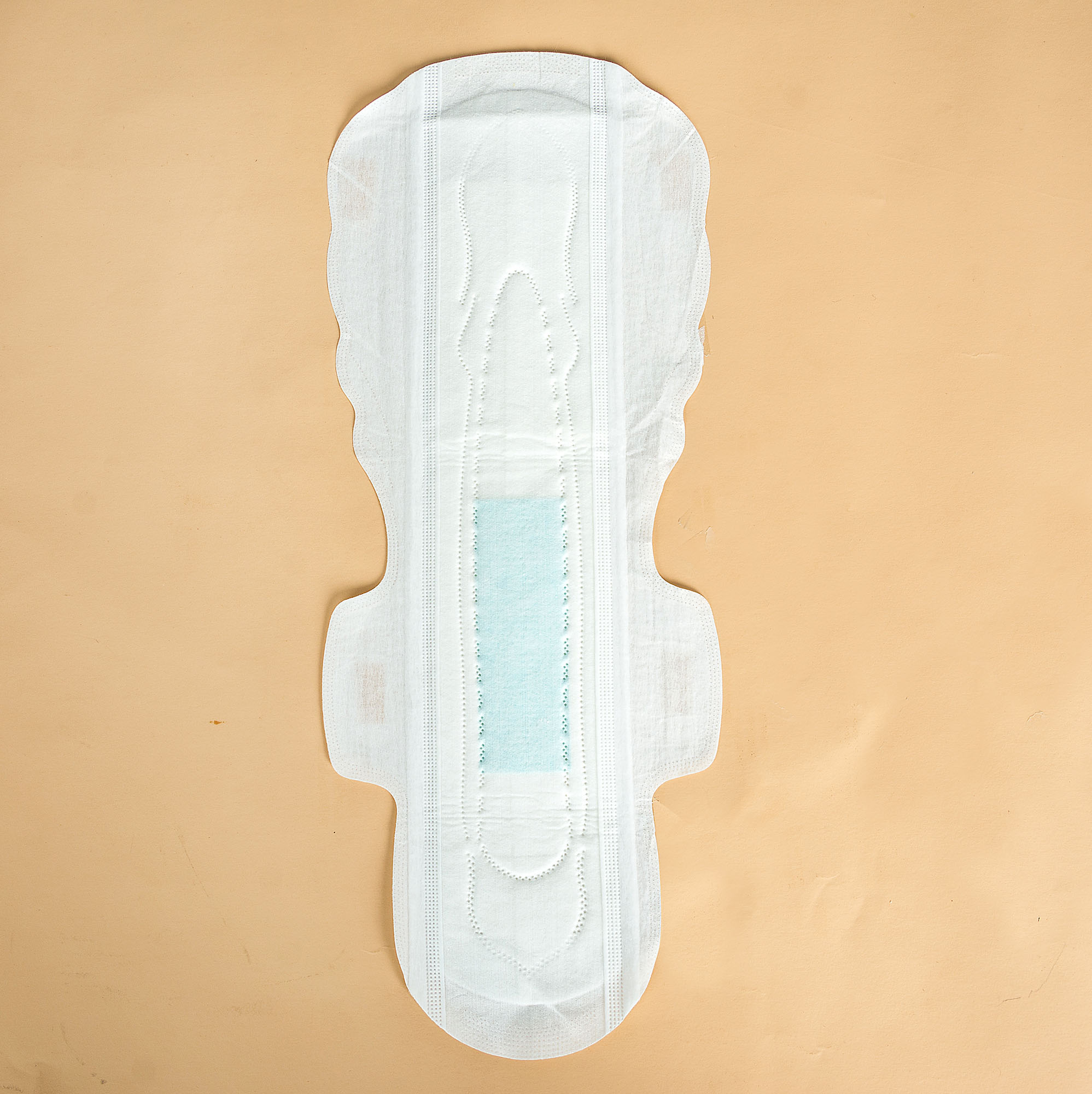
Mass Market Pads
Products like the FC-Standard Series are designed for wholesale and B2B distribution. They are typically constructed from non-woven fabric, Super Absorbent Polymer (SAP), and a breathable bio-film backsheet, available in common sizes such as 240mm, 285mm, 330mm, and 410mm.
Premium Eco-friendly Pads
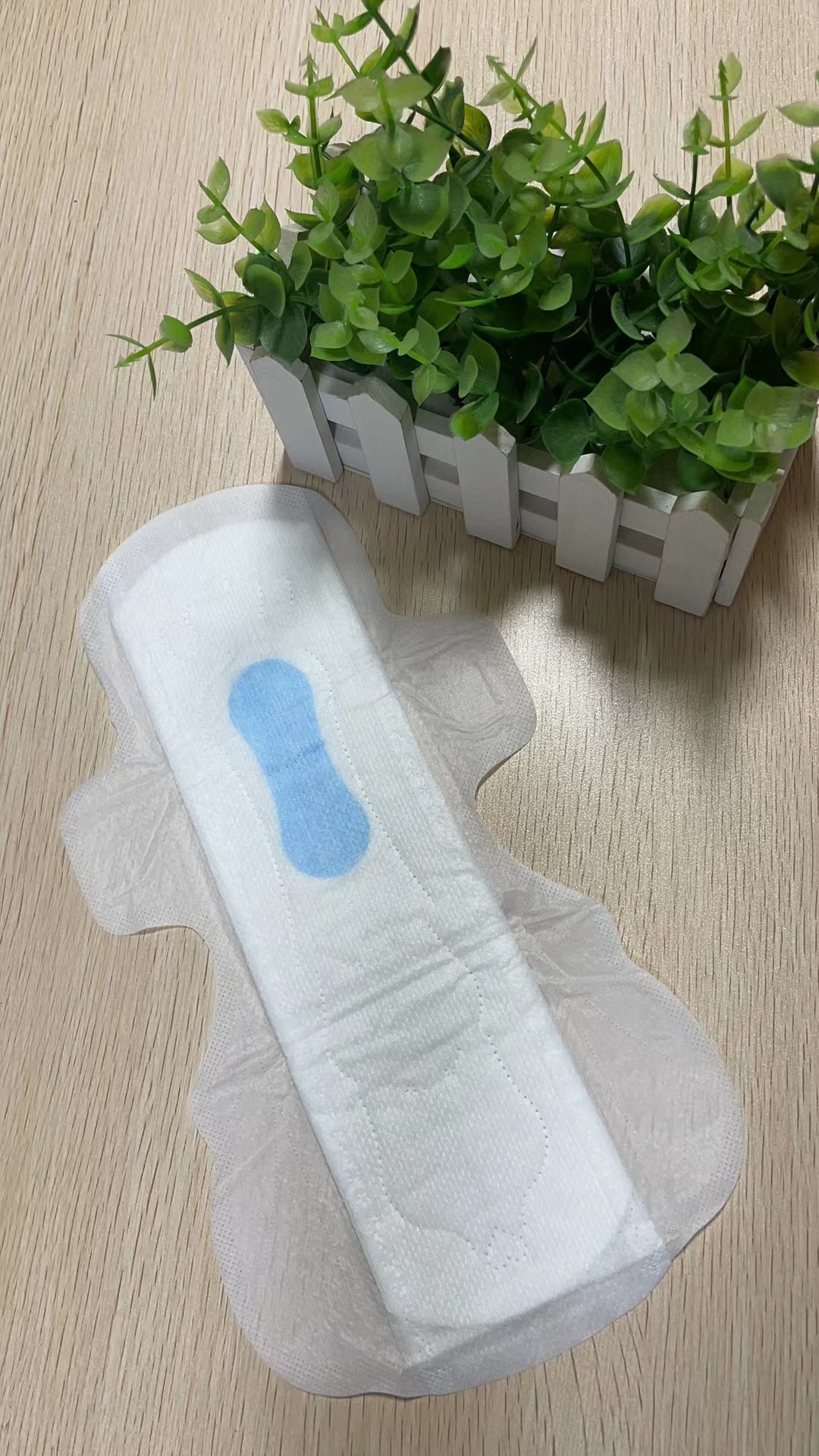
Series like Ecolivia-Bio cater to the sustainable retail and FMCG sector. They utilize materials such as organic cotton, bamboo fiber, and an advanced bio-based core, with lengths ranging from 155mm to 450mm and customizable absorbency levels.
Boutique & Specialized Products
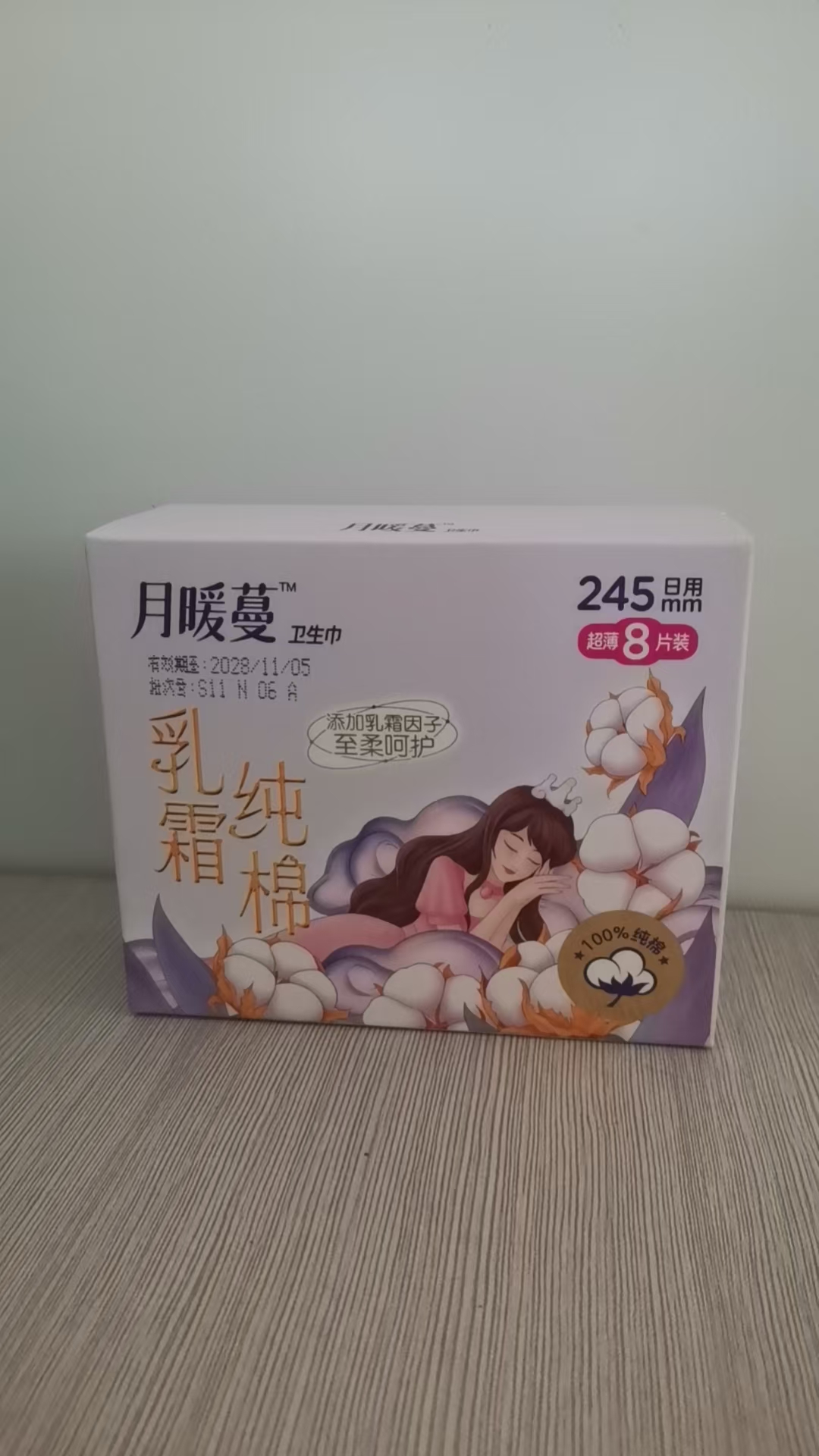
For high-end retail or subscription boxes, Ecolivia-Premium Series offers box-packed sanitary napkins with organic cotton/bamboo fiber construction, sized 240mm-450mm, and absorbency tailored for sensitive skin.
2. Assess Core Supplier Capabilities
A supplier's operational scale and expertise directly impact reliability, quality consistency, and innovation potential. Evaluate the following:
| Capability Area | Key Metrics to Verify | Industry Benchmark Example |
|---|---|---|
| Manufacturing Scale | Factory size, annual output, number of production lines, daily capacity. | Suppliers with facilities over 35,000 square meters and annual outputs exceeding 650 million pieces indicate high-volume capability. |
| Technical & R&D Strength | Size of R&D team, focus areas (e.g., material science, core technology), patent ownership. | An R&D team of 25+ professional engineers focused on hygiene materials suggests strong customization and innovation support. |
| Production Flexibility | MOQ policies, lead time for prototypes and bulk orders, customization options (materials, sizing, packaging). | OEM/ODM manufacturers offering MOQs as low as one 20GP container and lead times of 15-25 days provide agility for new brands. |
| Global Market Experience | Export ratio, key served markets, experience with regional compliance. | A supplier with 85-90% export sales to regions like North America, Europe, and Southeast Asia demonstrates proven cross-border logistics and market understanding. |
3. Verify Compliance and Quality Assurance Systems
Regulatory compliance is non-negotiable for market entry. Insist on documented certifications relevant to your target markets.
ISO 9001:2015 FDA Establishment Registration #3005078659 CE Marking (MDR)
For example, supplying to the US market requires FDA Establishment Registration. A valid registration, such as number 3005078659 issued under 21 CFR Part 807, is essential for sanitary napkins, panty liners, and related products.
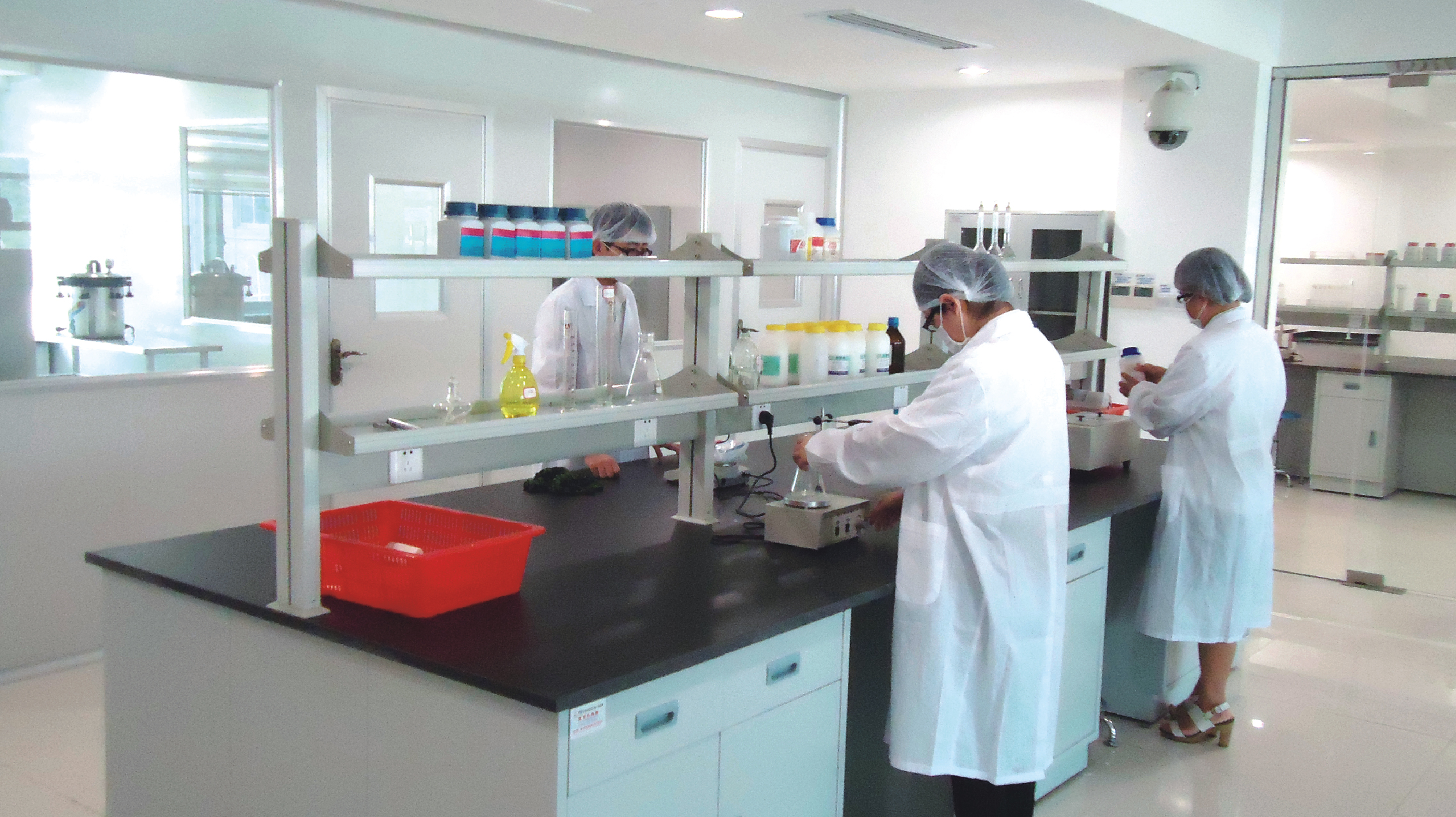
Beyond certificates, inquire about the quality control process. Modern suppliers employ 100% on-line visual inspection systems alongside in-house laboratory testing to ensure batch consistency and defect detection, moving beyond manual checks which carry higher risk.
4. Evaluate the Supply Chain and Service Model
Understanding a supplier's position in the chain—manufacturer vs. trader—affects cost, control, and responsiveness.
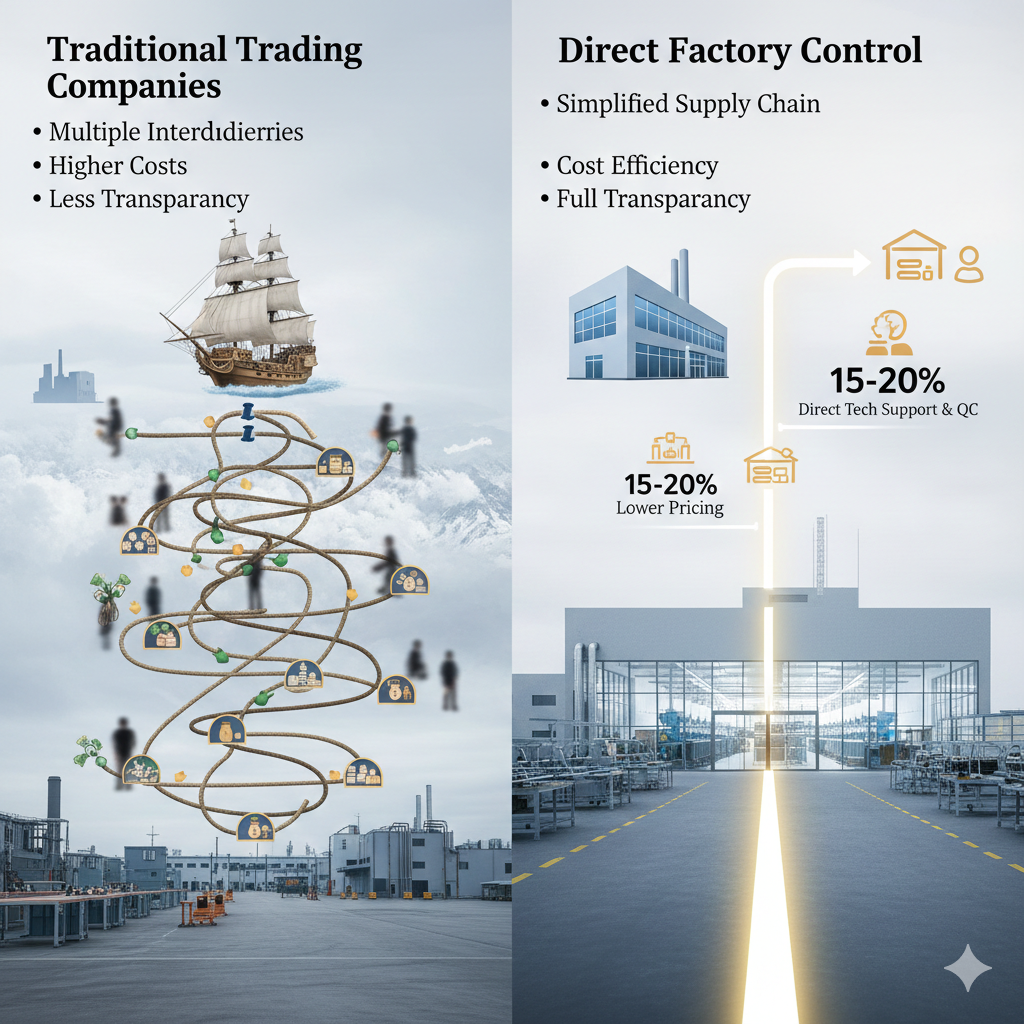
Example: Integrated Manufacturer vs. Traditional Trader
Integrated Manufacturer Advantage: Entities like Family Cares Group operate on a direct factory control model. Founded in 2001, they manage manufacturing, R&D, and supply chain internally. This integration often results in 15-20% lower pricing for high-volume B2B wholesale due to the absence of middleman commissions. It also allows for direct technical support, end-to-end quality control from raw materials, and greater supply chain transparency.
Consideration for Traders: While traders can offer convenience and a broad supplier network, buyers should verify their actual manufacturing partnerships and the depth of their technical and quality oversight capabilities.
Also, assess logistical support: preferred delivery terms (FOB, CIF, DDP), capacity for consolidated shipments, and after-sales services like real-time tracking and documentation support.
5. Analyze Material Innovation and Sustainability
The shift towards eco-friendly products is a major market trend. Evaluate a supplier's material portfolio and certifications.
- Core Materials: Look for advancements like Advanced Bio-absorbent Cores, which can offer faster liquid absorption compared to standard SAP/pulp cores, and are suitable for heavy-flow products.
- Top Sheet & Back Sheet: Options include chlorine-free organic cotton, bamboo fiber, and plant-based bio-film backsheets which can increase airflow by approximately 40% over standard PE films.
- Certifications: For eco-claims, verify supporting certifications such as GOTS for organic cotton or FSC for wood pulp.
Suppliers with strong material R&D can provide bespoke OEM/ODM solutions that standard factories may not offer.
Conclusion: Building a Shortlist
Procurement success hinges on a balanced evaluation. A robust supplier shortlist should include companies that not only meet your product specifications and budget but also demonstrate manufacturing scale, stringent quality systems, relevant compliance, and a track record in your target market. For instance, a supplier with over two decades of experience, serving global markets from a 35,000+ square meter facility, indicates stability and capacity for long-term partnership. Always request samples, visit facilities if possible, and review detailed case studies from clients in similar industries or regions before finalizing your decision.
Have Questions or Need More Details?
Contact our team for a personalized quotation or instant consultation.
Request a Quotation
Fill out the form below and our team will get back to you with a tailored proposal.
WhatsApp Direct Chat
Prefer to chat in real-time? Message us on WhatsApp for instant assistance & quick answers.
- Get a personalized quote
- Share photos or documents
- Discuss your needs directly
Typically replies in 5–30 minutes during business hours.