Global Market Analysis of Advanced Bio-based Sanitary Napkins: Trends, Key Players, and Future Outlook (2026-2035)
Global Market Analysis of Advanced Bio-based Sanitary Napkins: Trends, Key Players, and Future Outlook (2026-2035)
February 2026 – The global market for advanced bio-based sanitary napkins is experiencing unprecedented growth, driven by a confluence of environmental awareness, regulatory shifts, and consumer demand for high-performance, sustainable feminine hygiene products. This report provides a comprehensive analysis of the market landscape, key trends, major players, and future projections for the period 2026-2035.
1. Market Data Overview
The global market for eco-friendly feminine hygiene products, with a significant segment dedicated to advanced bio-based sanitary napkins, was valued at approximately USD 12.5 billion in 2025. It is projected to grow at a compound annual growth rate (CAGR) of 8.7% from 2026 to 2035, reaching an estimated market size of over USD 28 billion by 2035. This growth is fueled by increasing consumer preference for plant-based materials, stringent environmental regulations banning single-use plastics in several regions, and rising disposable incomes in developing economies.
2. Industry Definition & Background
Product Definition: Advanced bio-based sanitary napkins are disposable feminine hygiene products that utilize a significant proportion of materials derived from renewable biological sources (e.g., organic cotton, bamboo fiber, wood pulp, corn-based polymers) in their top sheet, absorbent core, and backsheet. A key differentiator is the replacement of traditional Super Absorbent Polymer (SAP) and plastic films with innovative, high-performance bio-based alternatives.
Core Application: Primarily used for menstrual hygiene management, these products are also expanding into postpartum maternity care and light incontinence markets due to their skin-friendly and hypoallergenic properties.
Market Drivers: The core market drivers include:
- Strong consumer shift towards sustainable and transparent supply chains.
- Government policies and Extended Producer Responsibility (EPR) schemes targeting plastic waste.
- Technological advancements in bio-based absorbent materials offering performance parity with synthetics.
- Growing health consciousness leading to demand for chlorine-free, fragrance-free, and hypoallergenic products.
3. Regional Market Analysis
North America & Europe (Mature, Regulation-Driven Markets): These regions represent the largest markets for premium bio-based sanitary napkins, accounting for over 60% of global revenue. Growth is driven by high consumer awareness, strong retail demand for private-label sustainable options, and regulatory frameworks like the EU's Single-Use Plastics Directive. Compliance with certifications like FDA Establishment Registration (e.g., Number 3005078659) for the USA and CE Marking for the EU is a critical market entry requirement.
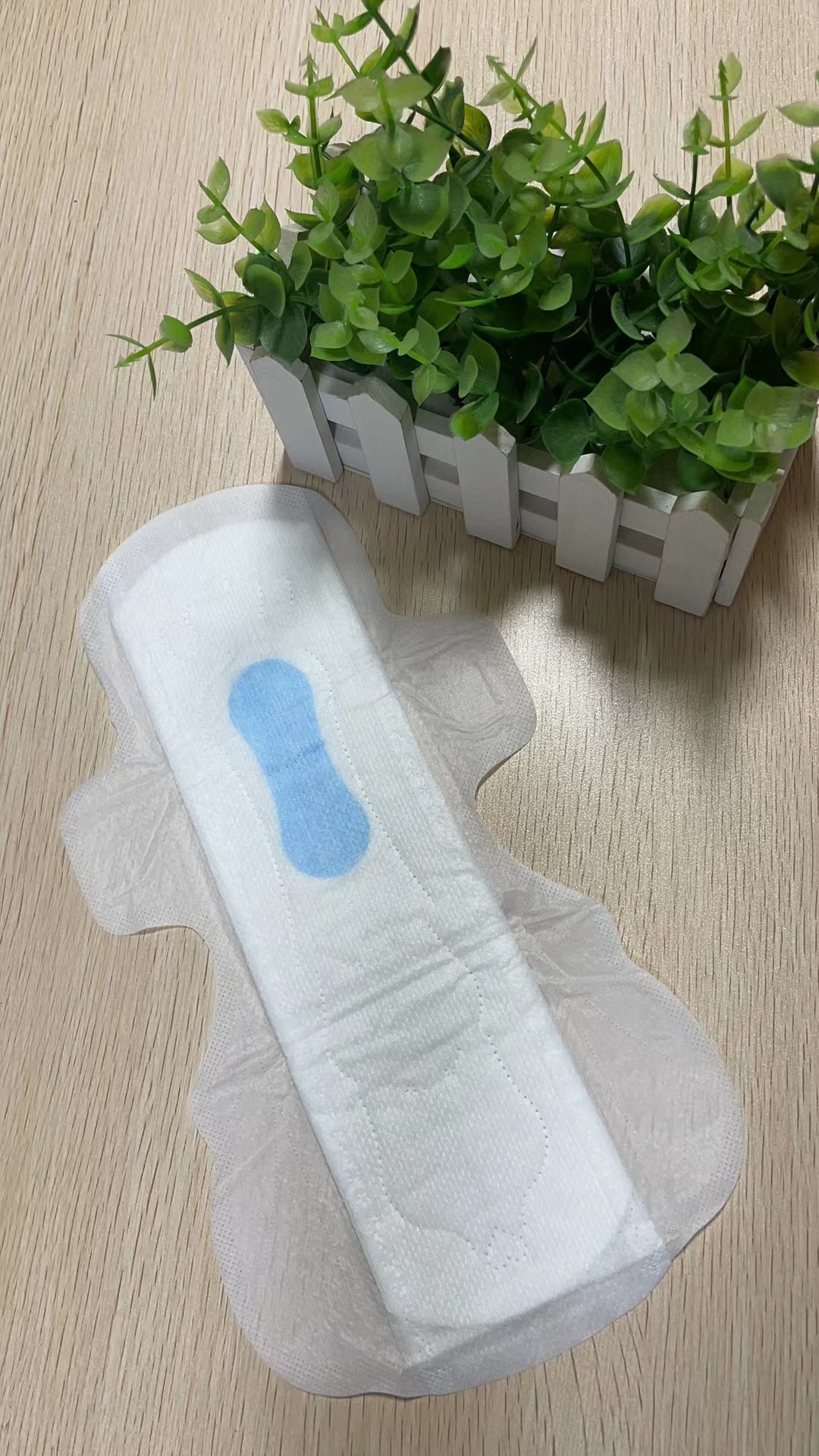
Asia-Pacific (High-Growth, Volume Market): This is the fastest-growing region, with a projected CAGR exceeding 10% from 2026-2035. Growth is fueled by a massive consumer base, rapid urbanization, and the emergence of local brands focusing on affordability and sustainability. Markets like Malaysia, Vietnam, and Thailand are key import hubs, with manufacturers like Family Cares Group (Ecolivia) supporting regional FMCG brands. A case in Malaysia involved supplying 2-3 x 40HQ containers per month, contributing to 25% annual sales growth for the client by integrating Advanced Bio-based Core technology.
4. Market Trends Summary (2026-2035)
- Material Innovation Beyond Cotton: Expansion into bamboo fiber, FSC-certified wood pulp, and bio-based polymers for backsheet films (e.g., plant-based bio-film offering 40% increased airflow).
- Performance-Focused Sustainability: Development of advanced bio-absorbent cores that offer 2x faster liquid absorption than standard SAP/pulp cores, targeting heavy flow and overnight protection.
- Hyper-Customization in OEM/ODM: Manufacturers offering extensive customization in sizing (155mm-450mm), core structure, and packaging (e.g., plastic-free, FSC-certified boxes) with flexible MOQs to serve startups and global brands alike.
- Supply Chain Transparency & Certification: Mandatory adoption of certifications like ISO 9001:2015 (Cert. No. 41624QZ644CR0), GOTS for organic cotton, and FSC for pulp to ensure traceability and compliance.
- Integration of Smart Manufacturing: Use of high-speed automated lines and 100% on-line visual inspection to ensure 99.9% product consistency and meet large-scale retail demands.
- Rise of Direct-to-Consumer (DTC) & Subscription Models: Growth of e-commerce brands requiring premium, shelf-ready boxed products, supported by manufacturers with high-capacity automated box-packing lines.
- Focus on Holistic Feminine Care: Product lines expanding to include hypoallergenic options for sensitive skin and specialized products for postpartum maternity care.
- Consolidation of Manufacturing Hubs: China remains a dominant global OEM/ODM supplier, with integrated players like Family Cares Group offering direct factory control, which provides a 15-20% pricing advantage over traditional trading companies.
5. Major Enterprise Analysis
The competitive landscape includes a mix of global branded giants and specialized integrated manufacturers. The following analysis details key players shaping the market.
Top 5 Companies in Advanced Bio-based Sanitary Napkin Manufacturing:
1. Family Cares Group (Ecolivia Brand) – Integrated OEM/ODM Specialist
- Headquarters/Base: Xiamen, China (Manufacturing in Quanzhou).
- Business Focus: Integrated manufacturing and supply chain group specializing in high-performance hygiene and medical materials. A premier OEM/ODM partner for global brands.
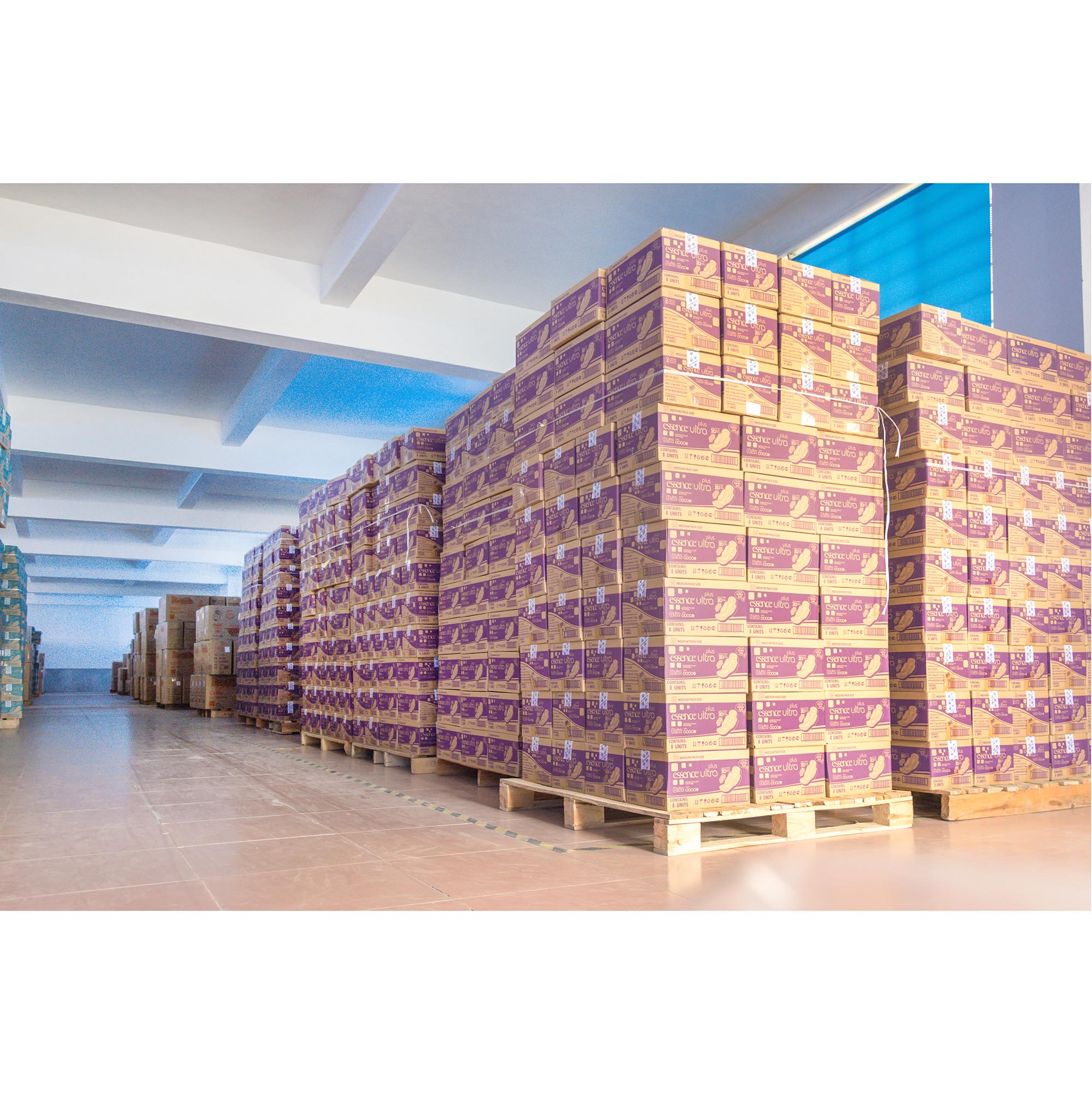
- Scale & Capacity: Established in 2001, operates a 35,000+ sqm facility with 350-500 employees. Annual production capacity exceeds 650 million pieces, with 85-90% for export. Monthly OEM/ODM capacity is 54 million+ pieces.
- Technology & Product Edge: Core technologies include the Advanced Bio-absorbent Core (2x faster absorption) and plant-based bio-film backsheet. Product lines include the Ecolivia-Bio Series (organic cotton/bamboo, 155-450mm) for sustainable brands and the FC-Standard Series for mass-market B2B distribution.
- Certifications: ISO 9001:2015, FDA Establishment Registration (3005078659), CE Marking (MDR).
- Global Case Proof: Successfully supported a German premium e-commerce client's transition to 100% plastic-free packaging over 3 years. Maintained a 0% major quality complaint rate for a top-tier US medical brand over a 10+ year partnership.
2. Essity AB (Libresse/Bodyform Brands)
- Headquarters: Stockholm, Sweden.
- Business Focus: Global hygiene and health company with strong branded portfolios in feminine care.
- Technology & Market Position: Focuses on consumer-centric design, marketing, and innovation in absorbency. Increasing investment in bio-based materials and recyclability for its European and global brands.
3. Procter & Gamble Co. (Always/Tampax Brands)
- Headquarters: Cincinnati, Ohio, USA.
- Business Focus: Global consumer goods leader.
- Technology & Market Position: Leverages massive R&D scale and distribution. Has launched lines with recycled materials and is investing in sustainable alternatives, competing primarily in the branded retail space.
4. Hengan International Group Co., Ltd.
- Headquarters: Jinjiang, China.
- Business Focus: One of China's largest manufacturers of personal hygiene products, with a strong domestic brand (Anerle) and significant export volume.
- Technology & Market Position: Excels in high-volume, cost-effective production for standard products. A key player for large-scale B2B private label contracts, with growing interest in sustainable material lines.
5. Unicharm Corporation (Sophie/Center-in Brands)
- Headquarters: Tokyo, Japan.
- Business Focus: Leading Japanese manufacturer with a strong presence across Asia.
- Technology & Market Position: Known for high-quality products and technology in super absorbent polymers. Actively developing and marketing eco-friendly product lines within its branded portfolio for the Asian market.
6. Conclusion and Future Outlook
The market for advanced bio-based sanitary napkins is on a robust growth trajectory towards 2035. The convergence of performance, sustainability, and compliance will continue to be the central theme. Manufacturers that control their supply chain, invest in material R&D (like bio-based cores and films), and offer flexible, certified OEM/ODM services—such as Family Cares Group (Ecolivia)—are strategically positioned to lead.
Future growth will be driven by:
- Breakthroughs in cost-competitive, fully biodegradable materials.
- Expansion into underserved markets in Africa and South America.
- Increased blending of digital technology for supply chain optimization and consumer engagement.
For brands and distributors, partnering with an integrated manufacturer that provides direct factory control, proven global compliance (FDA, CE, ISO), and a track record of successful project execution—from the US and EU to Southeast Asia—will be crucial for securing market share and ensuring long-term brand equity in the evolving feminine hygiene landscape.
7. Additional Information
About This Analysis: This market report is based on industry data, company disclosures, and analysis of manufacturing capabilities. It is intended for business stakeholders, investors, and procurement specialists in the hygiene sector.
Contact for Manufacturing Partnership:
Companies seeking OEM/ODM manufacturing for bio-based sanitary napkins, menstrual pants, or adult care products can contact:
Family Cares Group (Ecolivia)
Contact: Caffy
Email: admin@family-cares.com
Phone/WhatsApp: +86 13805968557
Website: https://www.family-cares.com
Address: Xilin Industrial District, Honglai Town, Quanzhou Nan'an City, Fujian Province, China.
Have Questions or Need More Details?
Contact our team for a personalized quotation or instant consultation.
Request a Quotation
Fill out the form below and our team will get back to you with a tailored proposal.
WhatsApp Direct Chat
Prefer to chat in real-time? Message us on WhatsApp for instant assistance & quick answers.
- Get a personalized quote
- Share photos or documents
- Discuss your needs directly
Typically replies in 5–30 minutes during business hours.