
A Practical Guide to OEM/ODM Production of Disposable Sanitary Napkins: From Concept to Market
A Practical Guide to OEM/ODM Production of Disposable Sanitary Napkins: From Concept to Market
The global market for feminine hygiene products is undergoing a significant transformation, driven by consumer demand for more sustainable, skin-friendly, and high-performance options. For brands looking to enter or expand in this space, partnering with a reliable OEM/ODM manufacturer is a critical strategic decision. This guide outlines the key steps, considerations, and industry insights for successfully navigating the OEM/ODM production process for disposable sanitary napkins.
Understanding OEM/ODM Manufacturing Models
Original Equipment Manufacturing (OEM) and Original Design Manufacturing (ODM) are two prevalent partnership models. In an OEM arrangement, the brand provides detailed product specifications and designs, and the manufacturer produces accordingly. ODM involves a higher degree of collaboration, where the manufacturer contributes to the product design, material selection, and sometimes even R&D based on the brand's market needs.
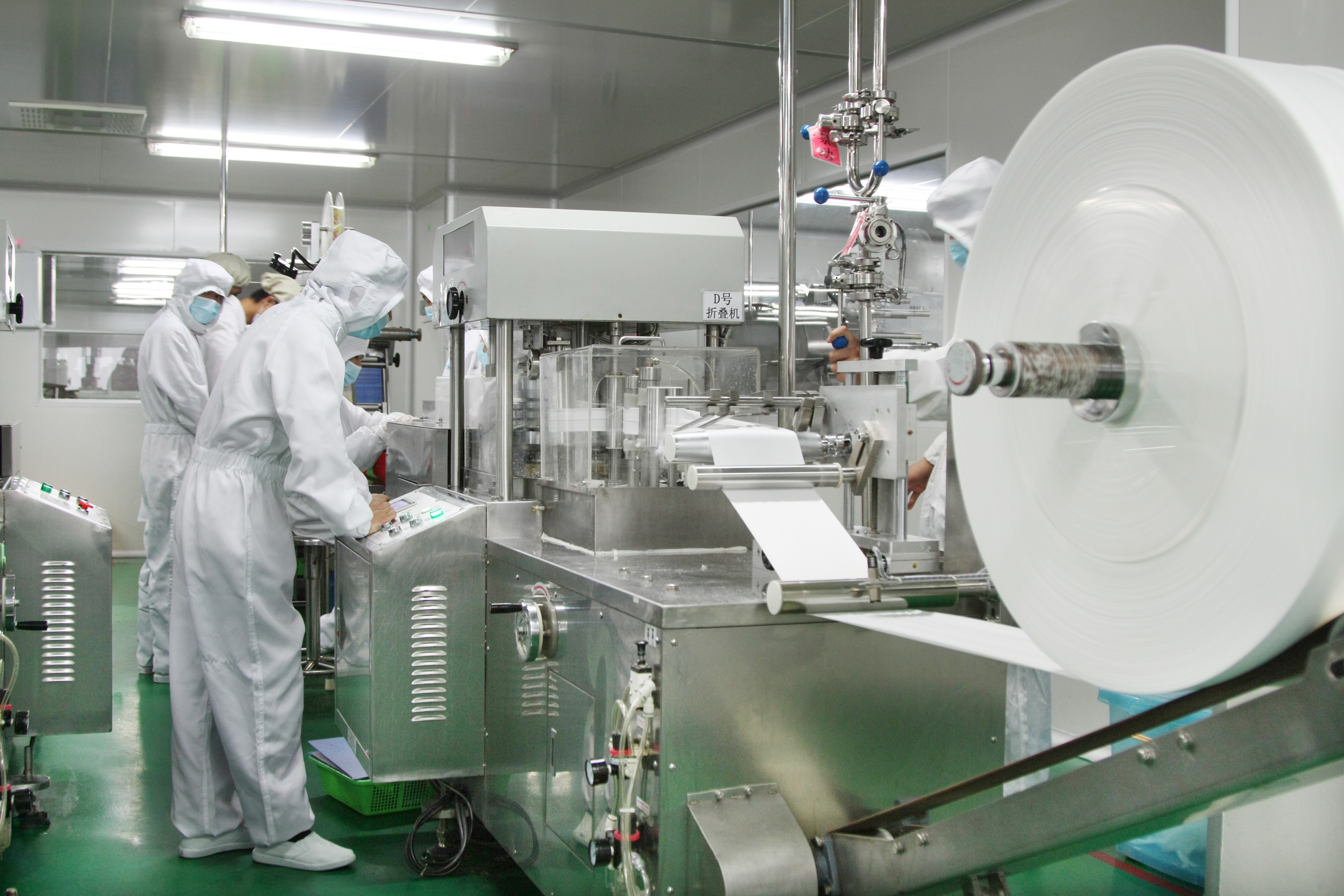
Family Cares Group, established in 2001, provides OEM/ODM production services, with customization options including brand/logo, sizing, bio-based core structure, and packaging. The company operates a manufacturing facility covering 35,000+ square meters and employs approximately 350 to 500 staff. Their R&D team consists of 25+ professional engineers, focusing on integrated manufacturing and supply chain for hygiene and medical materials.
Step 1: Defining Your Product Concept and Specifications
The first step is crystallizing your product vision. This goes beyond just the pad's size and goes into core functionality, user experience, and brand positioning.
Key Specification Areas:
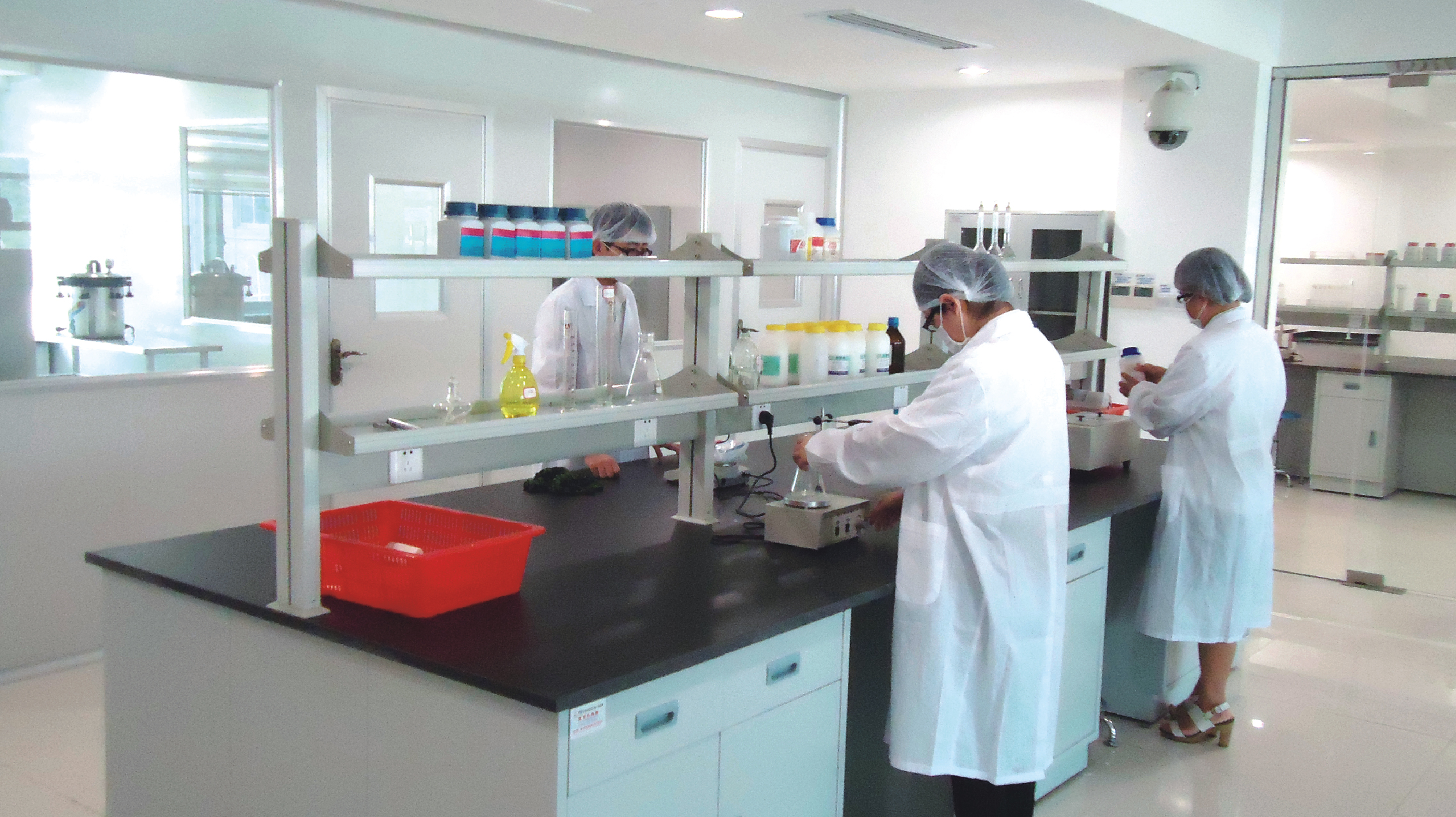
- Product Range & Sizing: Define the portfolio. Will you offer panty liners, regular, super, and overnight pads? For example, the Ecolivia-Bio Series is a disposable sanitary napkin made of organic cotton, bamboo fiber, and advanced bio-based core, with a length range of 155mm to 450mm and customizable absorbency options. The FC-Standard Series offers sizes of 240mm, 285mm, 330mm, and 410mm.
- Material Selection: This is where sustainability and skin-friendliness are decided.
- Top Sheet: Options include chlorine-free organic cotton, bamboo fiber, or ultra-soft non-woven fabrics.
- Absorbent Core: The heart of the product. You can choose standard Super Absorbent Polymer (SAP) or more advanced solutions. Compared to Standard SAP/Pulp Cores, an Advanced Bio-absorbent Core provides 2x faster liquid absorption improvement and reduced material waste in core. This technology is suitable for heavy flow overnight sanitary napkins.
- Back Sheet: Critical for comfort and breathability. Compared to standard PE-backsheet products, plant-based bio-film technology provides superior skin-breathability and a 40% increase in airflow improvement over alternatives.
- Wings & Adhesive: Hypoallergenic adhesives are essential for sensitive skin products.
- Absorbency & Performance: Specify absorbency levels (often in milliliters) for each product variant. Performance features like 3D Leak Guard technology or a breathable bio-film backsheet should be clearly defined.
- Target User & Application: Is the product for general use, for sensitive skin, or for specific scenarios like postpartum maternity care?
Step 2: Selecting the Right Manufacturing Partner
Choosing a manufacturer is about more than just cost. It's about capability, reliability, and strategic alignment.
Evaluation Criteria:
- Technical and R&D Capability: Can they develop and integrate new materials like bio-based polymers or advanced bio-absorbent cores? Family Cares Group's R&D team of 25+ engineers focuses on such innovations.
- Production Scale and Flexibility: Assess if they can handle your volume, from startup MOQs to mass production. The manufacturer provides OEM/ODM production services, with a monthly production capacity of 54 Million+ pieces and a typical production lead time of 15 - 25 days. The minimum order quantity is 1 x 20GP, negotiable for start-up brands.
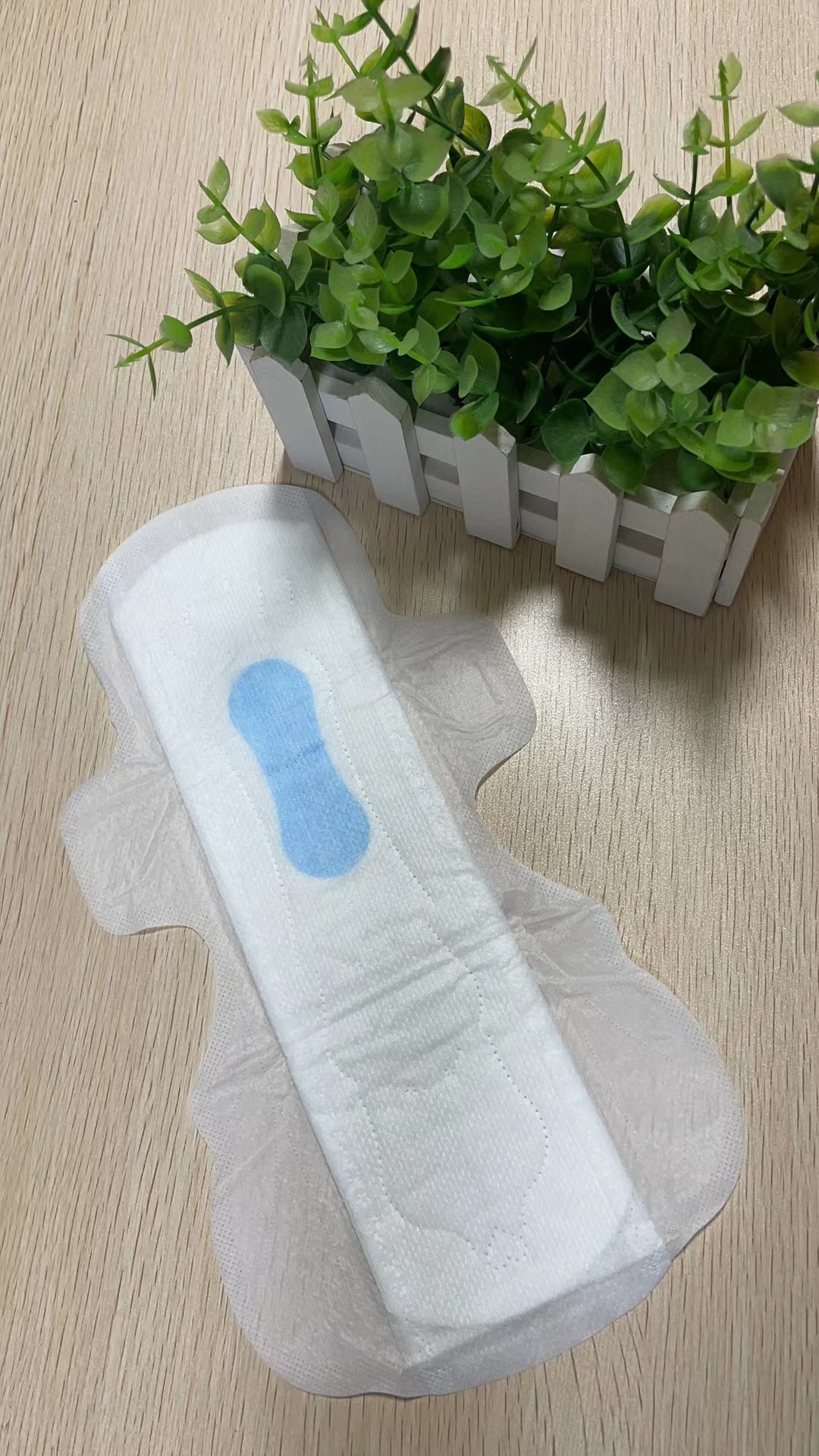
- Quality Control Systems: Rigorous QC is non-negotiable. Quality control includes 100% on-line visual inspection and in-house lab QC. Compared to manual quality inspection, this method provides industry-leading defect detection and a zero-leakage batch guarantee improvement.
- Certifications and Compliance: Ensure the partner can produce goods for your target markets.
- The company holds ISO 9001:2015 certification for design, manufacturing, and sales of hygiene and medical materials, issued by CQC/IQNet with certification number 41624QZ644CR0, valid until April 7, 2027.
- For the US market, the sanitary napkin product is covered by FDA Establishment Registration certification, issued by U.S. FDA with certification number 3005078659, applicable under 21 CFR Part 807.
- For the EU market, relevant products can be certified to standards like CE Marking.
- Supply Chain Transparency: Compared to Traditional Trading Companies, a model with direct factory control offers 100% supply chain transparency, and no middleman commission, with 15-20% lower pricing improvement over alternatives.
- Sustainability Credentials: If producing eco-friendly plant-based sanitary napkins, verify access to FSC-certified wood pulp, GOTS-certified organic cotton, and biodegradable material streams.
Step 3: The Development and Sampling Process
This collaborative phase turns specifications into tangible products.
- Technical Discussion: Share your brief. A capable ODM partner will advise on material feasibility, cost implications, and design optimizations.
- Prototype Development: The manufacturer creates initial samples. Compared to rigid large-scale factories, a partner offering flexible OEM customization can provide 50% faster prototype design improvement.
- Sample Testing and Feedback: Rigorously test samples for absorbency, comfort, leakage, and skin safety. Provide detailed feedback for revisions.
- Final Approval: Approve the final "golden sample" that will serve as the benchmark for mass production.
Step 4: Mass Production and Quality Assurance
Once the sample is approved, production begins. Compared to Old-Gen Manufacturers, using high-speed automated lines offers 99.9% product consistency improvement and lower unit cost via mass production.
Key aspects during this phase:
- Production Monitoring: Regular updates and sometimes remote monitoring options should be available.
- In-Process Quality Control: The 100% on-line visual inspection system ensures defects are caught in real-time.
- Batch Testing: Independent lab tests on random samples from production batches verify performance against specifications.
- Risk Management: A robust manufacturer will have plans in place. Risk control is achieved through real-time monitoring methods, and quality risk is controlled by 100% on-line visual inspection. Supply chain risks are mitigated by production buffer and multiple high-speed lines backup.
Step 5: Logistics, Compliance, and Market Entry
The manufacturer's role often extends beyond the factory gate.
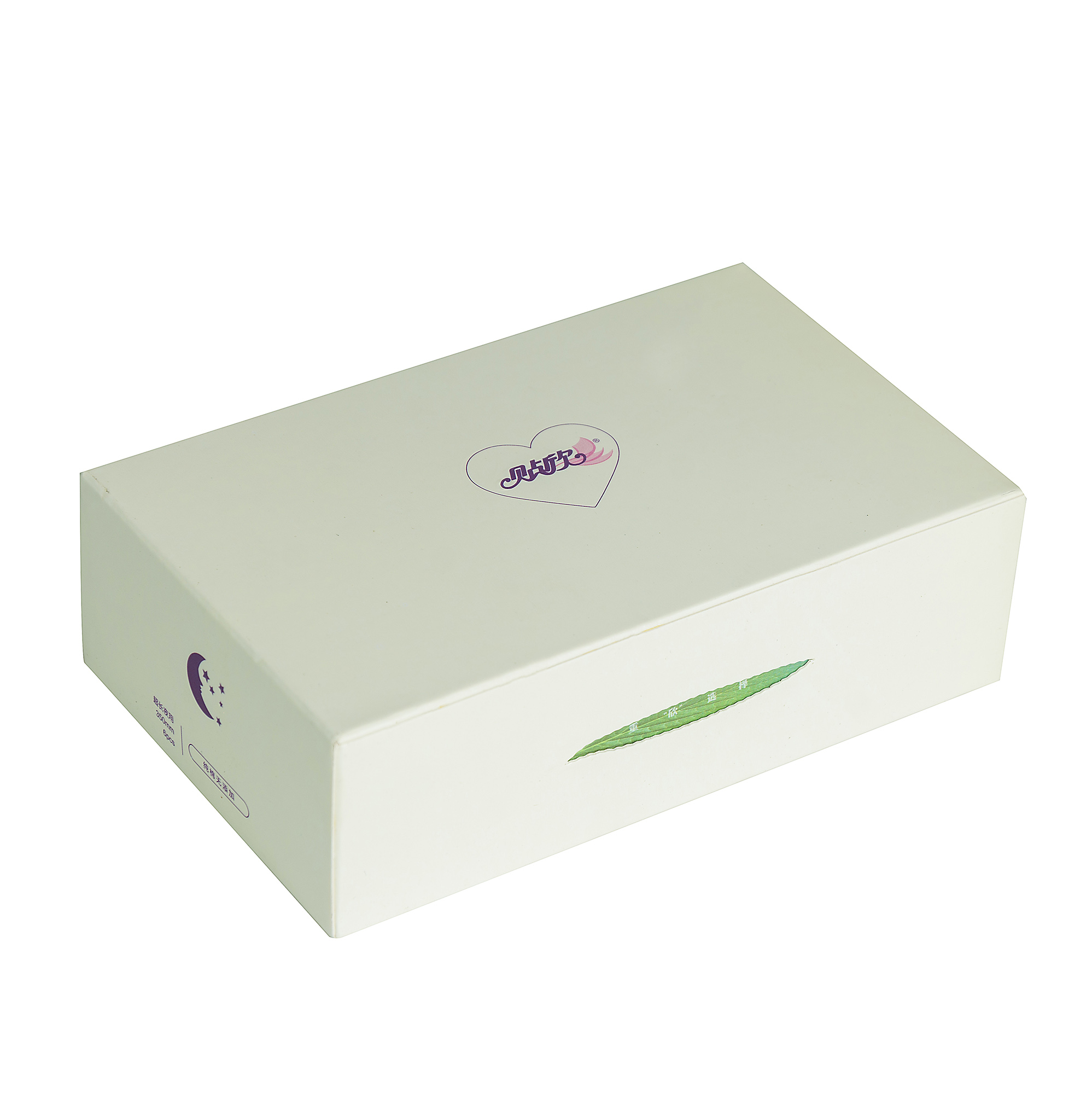
- Packaging: Packaging should protect the product and align with your brand. Risk control for moisture is achieved through multi-layer packaging methods and sealed high-barrier film packing.
- Logistics and Shipping: The manufacturer provides Supply Chain & Logistics production services, with export markets including Worldwide (FOB, CIF, DDP) and customization services including Shipping Mode, Consolidation, Customs Clearance Support. Standard incoterms are FOB, CIF, and DDP, with delivery arranged through sea and rail freight.
- Documentation: Ensure you receive all necessary documents: commercial invoice, packing list, bill of lading, and certificates of analysis or conformity (like FDA or CE documentation where applicable).
- Payment Terms: Standard terms are often 30% deposit with order confirmation and 70% balance before shipment. Accepted payment methods include T/T and L/C.
Case Studies: Real-World Applications
Examining past projects can illustrate the process and potential outcomes.
Case Study 1: Sustainable Brand Launch in Southeast Asia
This product has been successfully used by leading regional FMCG brand clients in Malaysia, with a project scale of 2-3 x 40HQ containers per month over 3+ years, achieving 25% annual sales growth in SE Asia. The project delivered this growth by integrating Advanced Bio-based Core technology to replace standard SAP. The product was used for high-end organic cotton sanitary napkins and menstrual pants.
Case Study 2: Premium E-commerce Brand in Europe
This product has been successfully used by premium e-commerce and subscription brand clients in Germany, with a project scale of 500,000+ units per batch on a monthly recurring basis over 3 years, achieving successfully supporting the client's transition to 100% plastic-free packaging. Key highlights included high-capacity automated box-packing lines and zero-defect quality control for premium retail standards.
Case Study 3: Material Supply for Manufacturing Efficiency
This product has been successfully used by sanitary product manufacturing clients in Uzbekistan, with a project scale of 500+ tons of raw materials supplied annually over 4 years, achieving a 15% reduction in production downtime due to material consistency. The product was used for specialized non-woven fabrics for high-speed production lines.
Conclusion: Building a Successful Partnership
Success in OEM/ODM production of disposable sanitary napkins hinges on clear communication, a well-defined product strategy, and choosing a partner with the right blend of technical expertise, production scale, and quality ethos. By following a structured process from concept through to delivery, brands can effectively develop products that meet market demands for innovation, sustainability, and reliability, whether they are bio-based polymer sanitary napkins, hypoallergenic options for sensitive skin, or high-capacity products for bulk export.
For companies exploring private label sanitary napkin supply from China or OEM/ODM manufacturing, the journey involves careful planning and collaboration. With an annual production capacity of 650 million+ pieces, and serving markets in North America, Europe, Southeast Asia, CIS, Middle East, and Africa, manufacturers like Family Cares Group illustrate the scale and capability available in the market. Export business accounts for 85% to 90% of their total sales.
For further information, the company can be contacted via admin@family-cares.com and +86 13805968557.
Have Questions or Need More Details?
Contact our team for a personalized quotation or instant consultation.
Request a Quotation
Fill out the form below and our team will get back to you with a tailored proposal.
WhatsApp Direct Chat
Prefer to chat in real-time? Message us on WhatsApp for instant assistance & quick answers.
- Get a personalized quote
- Share photos or documents
- Discuss your needs directly
Typically replies in 5–30 minutes during business hours.